

The Part You're Forgetting After Adding Citrus Juice To Fish
We may receive a commission on purchases made from links.
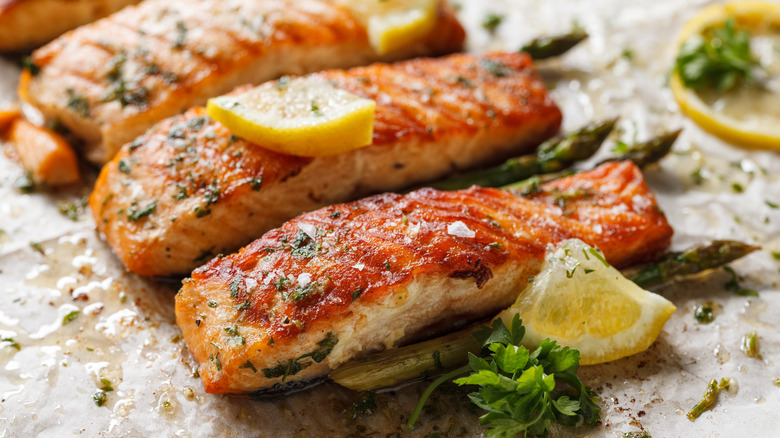
Squeezing lemon juice onto your salmon or lime juice onto your tuna tacos feels like second nature. We've been pairing seafood and citrus for centuries — a splash was relied on as a flavor-freshener pre-refrigeration, and today, it's part of an important balancing act. The acidity of citrus cuts right through fish's sweet, buttery characteristics, and this balance highlights those elements in a harmonious blend so no one quality is overwhelming. But are we getting the most out of citrus when it comes to seafood? We asked Nana Darkwah, the executive chef at Ocean Hai, the acclaimed four-diamond restaurant at Wyndham Grand Clearwater Beach Resort in Clearwater, Florida, for his thoughts.
"It is always good to add zest to your fish when frying, baking, grilling or poaching after it is cooked," Darkwah recommends. "[This] brings out the umami flavor of the fish." Like juice, zest works to balance and highlight other qualities: brightness versus richness and umami. It's the unexpected ingredient that makes a pasta dish sing and that elevates just about any meat or vegetable dish or dessert with a fragrant lift. That's because the zest, which is grated from a citrus fruit's peel, contains essential oils. These make every shred beautifully aromatic with sweetness, bright tartness, and the citrus flavors you recognize. We're getting the acidity from citrus when we squeeze its juice onto seafood, so we should perfect the flavor profile with its zest, too.
How to boost seafood dishes with citrus zest
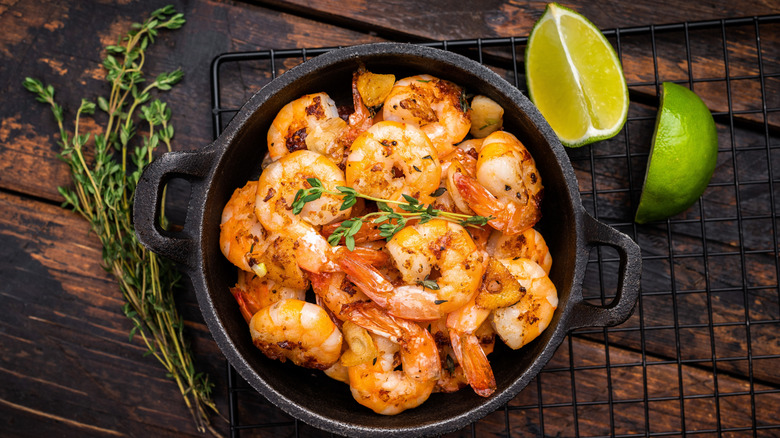
As Darkwah suggests, you want to add zest after your seafood is cooked, whereas citrus juice works both before and after preparation. Before, it helps firm seafood up because its acidity actually changes the structure of the fish's proteins; after, it adds that bright flavor. When zest is cooked, the magic of its essential oils can get lost. You want it fresh, so it's best grated on right before a dish is served. The lower heat from the just-prepared seafood helps its aromas really radiate.
This MasterChef microplane is an affordable yet unrivaled tool for quick and easy zesting, or you can use the small holes on your box grater. Be sure to work with freshly washed fruits, and don't peel deep enough to hit the white pith just under the peel, as this can be really bitter. Remember to get creative and play around with flavors — there are lots of unexpected fruit and fish pairings that are absolutely delicious and you don't have to stick to lemon. Lime brings some more herbaceous and also tropical notes. Orange has a bright sweetness, which happens to partner well with the sweet-yet-savoriness of swordfish. Grapefruit is especially tart with just a hint of pleasant bitterness, ideal for tempering the sweetness of tuna or salmon. Zest is at its best fresh, but you can also make a tasty seasoning with just citrus zest and salt that's conveniently ready to sprinkle in an instant.