

The Vintage Butter Tradition That Modern Baking Left Behind
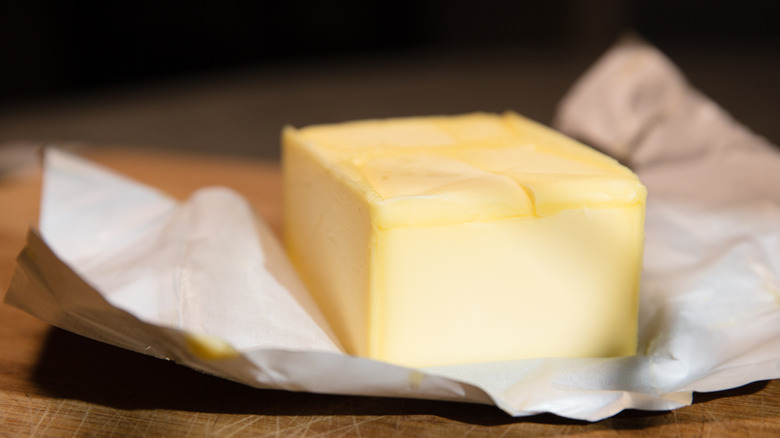
Before refrigeration, fat was fickle. It spoiled quickly, turned rancid, and needed a buffer against time. Salt was a cheap, bountiful preservative, and so salted butter was the default. If you were a farmer storing the summer's bounty of creamy grass-fed butter, a merchant shipping barrels, or just a household trying to stretch food through lean seasons, salt was non-negotiable because it turned perishable fat into something that could be kept. Butter is an emulsion of fat and water. It's mostly fat, but the small amount of water it holds is where microbes can grow. Salt sucks up the water, reducing available moisture and slowing spoilage.
The levels of salt added to butter varied regionally, sometimes up to ten times more than we use today. In coastal France, especially Brittany, butter was salted heavily with sel gris, harvested from marshes that lined the Atlantic. Ireland's dairy industry leaned on salt too, exporting barrels of butter that could survive long journeys. Across early America, families churning their own cream often packed butter into crocks layered with salt to keep it edible through the winter months. Scandinavian households packed butter in birch tubs, while in parts of South Asia, people clarified butter into ghee, another shelf-stable solution to the problem.
By the early 20th century, technology that kept food cold became available, first in cities, then to rural kitchens. Suddenly, dairies could sell fresher butter without heavy salting. Iceboxes came first and, later, refrigerators, which meant a pound of butter could last long enough to be used without preservatives. By midcentury, neatly wrapped sticks appeared in American supermarkets, often marked "sweet cream," a marketing term that means uncultured, unfermented. With unsalted butter, bakers could control exactly how much salt went into a recipe, and chefs could season more precisely.
Butter safe than sorry
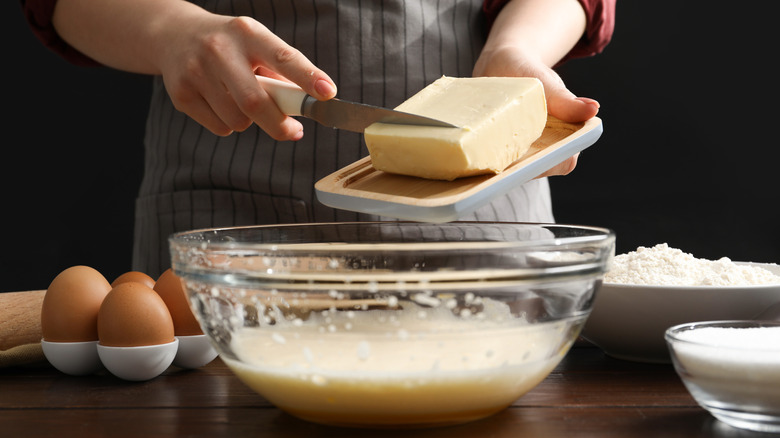
With refrigeration on the table, unsalted butter became a professional standard. For bakers, especially, the difference is crucial. Salt levels in butter aren't tightly regulated, so one brand's "salted" might taste briny, another barely seasoned. When you're making pastries where balance depends on grams of flour and pinches of leavening, that unpredictability makes salted butter a liability. With unsalted, you control the salt from scratch, sprinkling it into doughs and batters in the exact quantity the recipe needs. That's why cookbooks now call for unsalted, unless otherwise specified.
The rise of home refrigeration meant more households started cooking with the same tools as professionals. Cookbooks of the era, like "The Joy of Cooking," and TV personalities, like Julia Child, recommended and standardized unsalted butter in recipes, helping to train generations of American bakers to treat salt as an ingredient to be added separately. Salted butter gradually slipped into a different role: the everyday spread. A pat on waffles, a slab melting into corn, really more of a condiment. Salted butter found a home on the table; unsalted became the cook's baseline in the kitchen.
France still has its demi-sel traditions, and small New England creameries sell salted rolls wrapped in wax paper at farmers' markets. But once modern recipes began calling for consistency, unsalted butter took over in professional kitchens and cookbooks. Its neutrality makes it universal, because you can always add salt later, but you can't take it away. That's why every baker, from Paris to Peoria, will tell you the same thing: keep unsalted in stock if you want control.
Salt of the earth

Salt does bring out flavor, in butter and whatever it's paired with. It's why French demi-sel is often paired with radishes or a fresh baguette. Salted butter is a great ready-to-eat product, and it's handy if you're finishing something at the table. Spread it on toast, fold it into mashed potatoes, toss it with green beans, and you get the seasoning and fat in one.
Unsalted butter, by contrast, is a building block. It's what you want when baking, candy-making, or anything where salt is meant to balance sweetness or activate structure. Using unsalted means you can measure exactly how much sodium is going into your cake batter or shortcrust, instead of gambling with a brand's secret formula. Even in savory cooking, unsalted is an advantage because it allows you to start neutral, then salt deliberately.
The best approach is usually to keep both. Unsalted in the freezer for cooking projects, and some fancier salted butter for the fridge and daily use. If you only buy one, go unsalted since it's more versatile. And if you're curious about the taste test, try spreading both on plain bread. You'll notice salted tastes more balanced, while unsalted tastes a little bland on its own, but comes alive when it's paired with something else. That contrast explains why recipes almost always call for unsalted butter today. What began as a preservation necessity became a tradition that modern baking left behind, while unsalted butter rose as the standard for control and consistency.