

The Reason You Should Never Let Meat Bones Fall Into Your Garbage Disposal
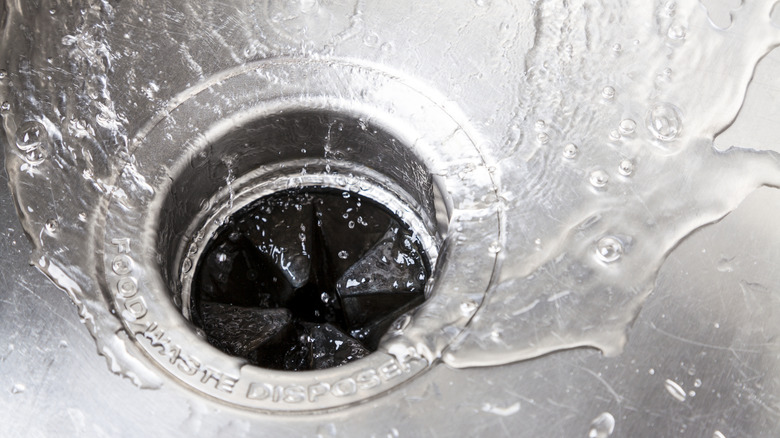
Your garbage disposal is a complex piece of machinery with a lot of moving parts. While it is designed to be durable and powerful, it still has limits, which is why there are certain foods you should never put down the garbage disposal. One such food waste that should always stay out of your garbage disposal is meat bones. While it's tempting to just scrape your entire plate into your sink, food waste (and other items) that are dense, rigid, and hard can damage the disposal. For the same reasons you should think twice before putting large chunks of meat down your garbage disposal, you should also keep bones out.
While smaller fish bones, like salmon bones, may not cause damage, chicken, beef, and pork bones most certainly will. When you put meat bones in your garbage disposal, they can damage its metal blades. They may chip them, create cracks, or break off part of the blades. They can also cause clogs by getting caught in the small moving parts of the disposal. Eventually, they'll end up clogging your pipes as well. This happens because the bones are too dense and hard to properly grind down.
Unfortunately, the damage that bones cause to your disposal can be extensive and costly to repair. You may even end up needing to replace your entire garbage disposal. Fortunately, there are some safer ways to dispose of your bones — or even make use of them in your kitchen or garden. You can save meat bones to make a flavorful soup broth or even compost them.
How to save meat bones for soup broth or process meat bones for composting
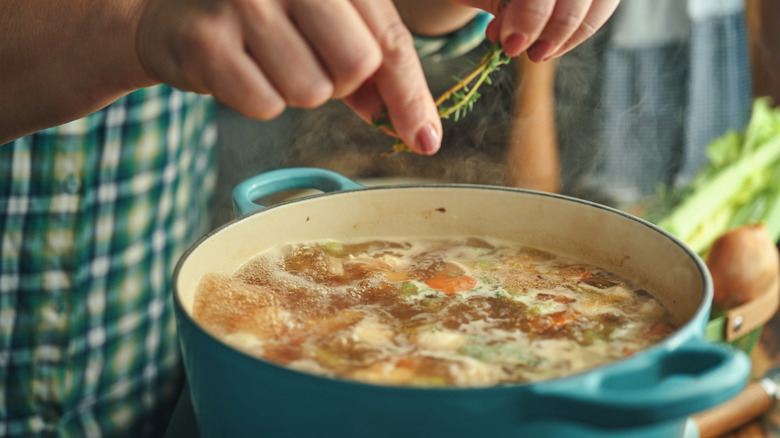
You can put meat bones in your freezer for several months before using them. Wrap them in foil or plastic wrap, or put them in a freezer-safe bag or airtight container. You can even vacuum seal them so that they last longer. When you're ready to use your bones to make broth, roast them in your oven along with vegetables. Then deglaze your roasting pan with water and put the bones and water in a large stockpot with fresh, cold water. Let the bones, water, vegetables, and other ingredients soak for about 30 minutes. Then simmer them at a low heat for 6 to 8 hours.
You should never compost meat, so before you compost your bones, remove all traces of meat and then boil them for one or two hours. This will soften the bones, kill any remaining bacteria, and get the final traces of meat off of them. When they have been boiled, rinse and dry them and then bake them in your oven for about 20 minutes at 400 degrees Fahrenheit. Use a hammer to break apart the bones or blend them in a food processor, mill, or food recycler. When they have turned into fine fragments or powder, you can add them to your compost pile.