

The Sandwich Chain That Almost Went Under In The '70s, Then Bounced Back From Bankruptcy
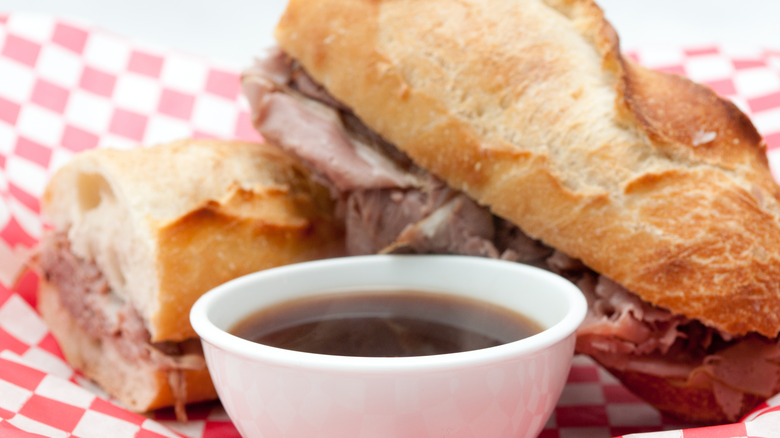
It has more than 3,300 locations in the U.S. alone. In 2023, the company made over $4.5 billion. In 2024, it made the top 10 of Entrepreneur Magazine's Franchise 500 — a list of top businesses worth investing in. It is the third biggest sandwich brand in America, behind only Subway and Panera. Looking at these numbers, you'd never imagine that this sandwich chain almost went under in the 1970s before bouncing back in style. We're talking about Arby's, and this is the story of how it rose from the ashes.
Brothers Forrest and Leroy Raffel launched Arby's in 1964, inspired by the rise and operational efficiency of McDonald's and Burger King. Instead of joining the burger wars, however, they bet on something different: the classic roast beef sandwich. The gamble worked at first, and the chain expanded rapidly, riding the wave of America's fast-food boom. But by 1970, it seemed like they had bitten off more than they could chew.
To keep expansion rolling, the brothers leaned heavily on bank loans and private equity, but those funds could only carry them so far. Their plan to go public fell through due to shifting SEC regulations, and without the expected cash infusion, Arby's finances unraveled quickly. Loan payments became unmanageable, and banks tightened the flow of money, refusing to release funds to support franchise operations. In turn, franchisees stopped sending their share of sales back to headquarters. It was a vicious cycle: with no cash coming in, the company couldn't meet its obligations, and by the end of 1970, Arby's had little choice but to file for bankruptcy.
Rising from the ashes
For many chains, filing for bankruptcy is the end of the story. Not Arby's. The Raffel brothers put their heads down and got to work. Like seasoned entrepreneurs, they focused first on profitability, and only then on growth. By 1975, just a few years after hitting rock bottom, Arby's had bounced back with over 500 locations nationwide. To fuel the next phase of growth, the brothers chose a different path from their failed IPO attempt; in 1976, they struck a deal to sell Arby's to RC Cola for $18 million (worth over $100 million in today's money).
Under RC Cola's ownership, the Raffels continued to run the company, overseeing a surge to more than 800 locations by the end of the decade. In 1979, having secured their comeback, the brothers stepped away from the business and retired as multimillionaires.
Their exit marked the end of the founding chapter, but not the end of Arby's incredible comeback. In the decades to come, the chain would change hands several times, each new owner leaving a mark on the brand. Today, Arby's is part of Inspire Brands, the second-largest restaurant company in America by both system sales and number of locations. Inspire owns over 30,000 restaurants across six core brands, including Arby's, Baskin-Robbins, Buffalo Wild Wings, Jimmy John's, Sonic Drive-In, and Dunkin'.
Pushing the limits
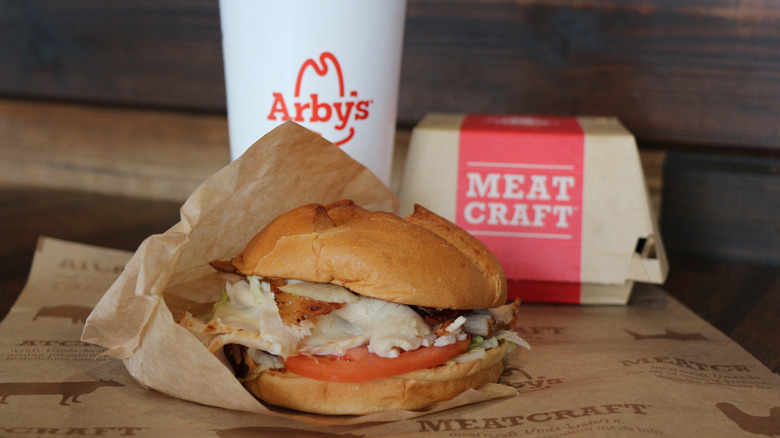
Arby's ability to continuously stay relevant in a crowded market is a result of its willingness to push the limits — both in how it markets itself and how it defines fast food. The chain struck gold with its bold "We Have the Meats" slogan, a slogan that turned into a cultural catchphrase and even courted controversy with a cheeky "vegetarian support line" commercial. More recently, it made headlines for its "Free Sandwich Month" campaign, in which it invited its online critics to a "Try-Detector Test." The point was clear: Arby's wasn't afraid to lean into its meaty identity while having fun with it.
But marketing is only half the story. On the menu side, Arby's has worked hard to separate itself from the fast-food pack with what it calls "Fast Crafted" food — or food that's quick to serve, but closer to fast-casual in quality. That philosophy has paved the way for experiments like premium deli sandwiches and a limited-time wagyu beef burger (made from a blend of American wagyu and Angus beef).Customers seemed to buy into the pitch. Reviews online range from curious skepticism to genuine surprise, especially around how Arby's managed to sell a wagyu burger for under $10. One Redditor even rated it "6 out of 5 stars", admitting: "I expected it to be a 1/5 experience. I was shocked how impressed I was."