

10 Ways To Avoid Overspending On Food While On Vacation
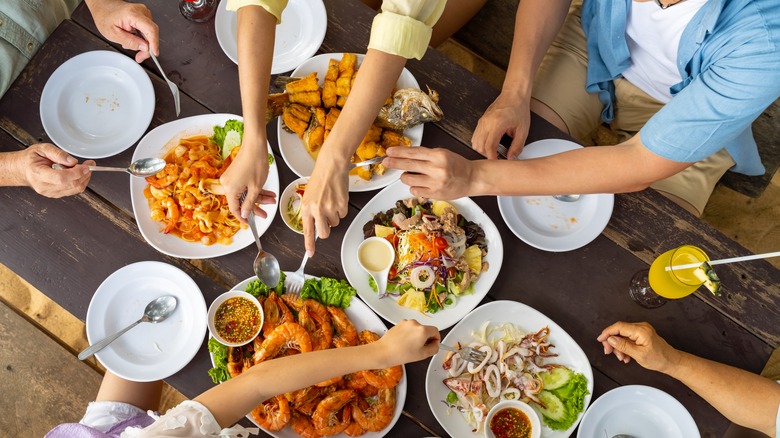
Even for the people who are good at planning and saving before a vacation, it seems inevitable that the budget goes out the window at some point in the trip. It depends on what kind of traveler you are, but for some of us, food is where we overspend. For many foodies, this is the part of vacation we look forward to the most, and trying different dishes is just as important as seeing the sights and learning about the culture of a destination. However, meals can get really expensive. Plus, not every trendy food item is worth the long queue and marked-up price.
There are many ways to enjoy a vacation without making food the center of it, and there are ways to maximize a good trip, good eating, and not going broke while doing so. As a food and travel writer, I've written guidebooks about how and where to eat while travelling. I've experienced highs and lows on assignments, both locally and abroad, from awe-inspiring meals to huge, overpriced disappointments. I've also learned several ways to balance my desire for good food with keeping to a budget, and how to avoid places that aren't worth the money. Don't worry; you don't need to be a seasoned traveler to get things right. Whether you're taking a road trip to a neighboring city or a flight across the world, there are some things to keep in mind while traveling that apply pretty much anywhere. Here are some ways to avoid overspending on food while on vacation.
Don't book a hotel breakfast (unless it's included)

One of the big points of contention for people on vacation is breakfast. It's always a difficult decision whether to book a hotel or accommodation that includes breakfast or not. Hotel breakfasts can be really expensive and even cost as much as a big lunch or dinner per person. Of course, if your hotel offers breakfast for free or as part of your room charge, then it can be a great way to fill up for the day. But if you have to choose to add on breakfast, that's where things can really add up. Not to mention that you have to be somewhat of an early riser to even enjoy the breakfast on offer, as many hotel breakfasts end around 11 a.m., if not earlier. That's fine if you're a morning person, but for everyone else, it becomes a stressful part of the trip.
Foregoing a hotel breakfast altogether means you can try out a corner coffee shop or bakery and grab a bite to eat for a lot cheaper. In fact, you could splurge on a full breakfast at a trendy cafe and maybe still spend less than you would on a generic hotel breakfast. This way, you get to explore more local foods for less. And if breakfast isn't too important to you anyway, you can always get some yogurt, fruit, or granola bars from a grocery store and keep them in your room to fill up on before you leave for a day of touring.
Get away from the tourist spots to eat

Dining at tourist trap restaurants will quickly part you from your money. If you've traveled a fair bit, you can get pretty good at spotting them, but even the most experienced travelers can still fall into the "traps." Truthfully, there's no one way that a tourist trap restaurant will look. Still, they are often found in the popular tourist spots. If you're abroad, you'll frequently see beautiful and bold (often traditional-looking) decor, English menus, and servers that speak English. If the restaurant is in a buzzing square or near one of the big landmarks that tourists like to visit, the food will often be of poor quality and greatly overpriced. That's why your best bet is to walk far away from any site you've just visited when it's time to eat.
Restaurants geared toward tourists don't need to serve good food because tourists are not customers who will return. Plus, they'll get enough foot traffic just by virtue of their location. This also enables them to charge inflated prices; tourists either don't know better, are paying to eat near the famous monument, or there's a pretty view. Walking a good distance away from the sites will help you get a better and more affordable meal. It's a good way to narrow your chances of dining at a tourist trap, even if you're unable to spot them yourself. Often, the restaurants that are far from hotspots are geared more toward locals who will come back again, ensuring better quality food, without the markup.
Visit the local food market or convenience store for groceries
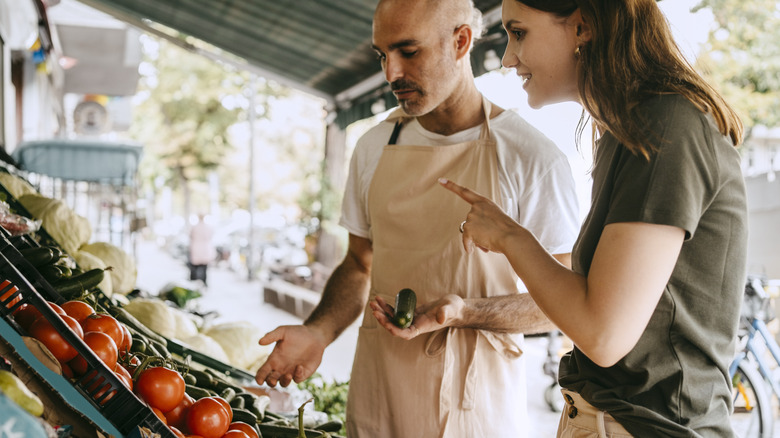
Visiting a food market or even a convenience store in your destination is one of the easiest ways to save money on food. Depending on where you go, local residents often visit food markets to buy produce, meats, bread, pastries, prepared meals, and more. Such is common across many parts of the world. Instead of spending money on a sit-down restaurant meal, grab a few small bites and have yourself a little picnic. Often, visiting a local food market can be a fun day of exploring different ingredients and ways of eating that you may not be accustomed to. It can be as much of a tourism activity as it is a meal.
The same can be said for convenience stores. In many countries, people turn to convenience stores for a quick snack or an easy takeaway option. It's certainly a popular thing to do in countries like Japan and South Korea, where you can get good-quality food for low prices. But I've found that, in just about any country, you can find convenience stores that sell small bites and hot snacks behind the counter, whether it's sandwiches, pies, fried foods, or something else. This can be a great way to discover how local residents do cheap eats, and fill you up on something casual to keep you going while you're walking around.
Eat your big meal at lunch instead of dinner

There will be times on vacation when you want to have a nice sit-down meal at a restaurant. If food is a central part of your trip, this might be an everyday requirement for you. If not, you'll want to do this at least a couple of times to rest your feet and eat something proper. To save money while doing so, it's a good idea to dine out for lunch rather than dinner. Many restaurants offer lunch menus that are less pricey than their dinner options, and surprisingly, this doesn't always mean smaller plates.
They may offer similar servings at lunch and dinner, but charge more for dinner because they can. Or, perhaps they offer a six-course dinner but a three- or four-course lunch that's just as satisfying, but cheaper. Some places might also require a minimum spend at dinner, but not at lunch. Look online or call ahead to find out about the specific restaurant you want to try, and you might find this to be true.
This is a great tip for fine dining or more upscale restaurants, too. When I've wanted to book myself a fancy meal somewhere with rave reviews, I've found that lunch prices are lower than dinner prices at almost every restaurant. So, treat yourself at lunch and have a cheap dinner if you want to enjoy the same delicious experience but for less.
Ask a local resident where they like to eat

It can be overwhelming trying to choose where to eat on vacation. It often feels like really high stakes because you have limited time and budget, but want to experience everything there is to offer. You may have scanned online reviews, social media posts, and tips about where to eat, and found conflicting advice — or there are just too many options. Knowing how to choose a good restaurant while on vacation can feel like a skill on its own.
Instead of all the noise, it's always better to ask someone from the town or city you're in where they like to eat. Local residents have experience eating out and are intimately familiar with the cuisine in a way you'll never be as a visitor. Plus, local recommendations are unlikely to be aimed at tourists, so you'll end up eating better and cheaper.
Now, you may not know anybody in your destination and therefore not be sure who to ask. If you're a little brave, asking someone on the street can be a great way to find some hidden gems, and some of my most incredible recommendations have been from a friendly stranger walking past. Asking your taxi driver or the receptionist at your hotel can also be helpful. Just make sure to ask where they like to eat, and not where they think you would want to eat. That way, you can get an authentic recommendation, and not one aimed at visitors only.
Save your dessert order for a cafe, bakery, or gelateria instead

Sticking to a budget can be extra hard for folks who have a sweet tooth. If you like to order dessert with every meal, this can add up quickly. I've noticed, however, that restaurant desserts are often much more expensive than sweet treats from a bakery, cafe, or ice cream parlor. Even casual restaurants will charge you more for a dessert than the bakery next door might. So, I tend to eat my main meal at a restaurant, but skip dessert there. Rather, I take a little stroll and see what other sweet treats can be found along the way.
This can be a fun way to keep your exploring going, as you find little cafes, pâtisseries, gelaterias, or dessert-specific food stops that offer more creative options than standard restaurant desserts. You'll even have added to your itinerary and tried more local eats, without spending much more to do so.
Try street food or the local version of fast food

Another way to save on meals while traveling is to sample local street food or fast food. Street food can be an integral part of the culinary culture in many places, and there are plenty of delicious foods you should try that you won't find at a stuffy restaurant. Instead of having a sit-down dinner, which will cost you way more, why not buy a hot meal from a street vendor? The food will look different in every country, but one thing remains: If local residents are buying it, it's probably yummy. Of course, you'll want to use some street smarts when eating street food, but if you have a look at what's going on and it looks good to you, then go for it.
The same applies to fast food. Fast food is often much cheaper than a sit-down meal, and there's no shame in eating it a couple of times to save money. It can even be exciting to try fast food options you may not have back at home. Even if you can only find the big chains, there are sometimes interesting menu variations in different parts of the world. I wouldn't recommend eating only fast food on your trip, of course — but having one or two fast food meals can be an effective way to keep you from overspending.
Pack some basic kitchen utensils in your luggage (cutting board, bowl, and knife)
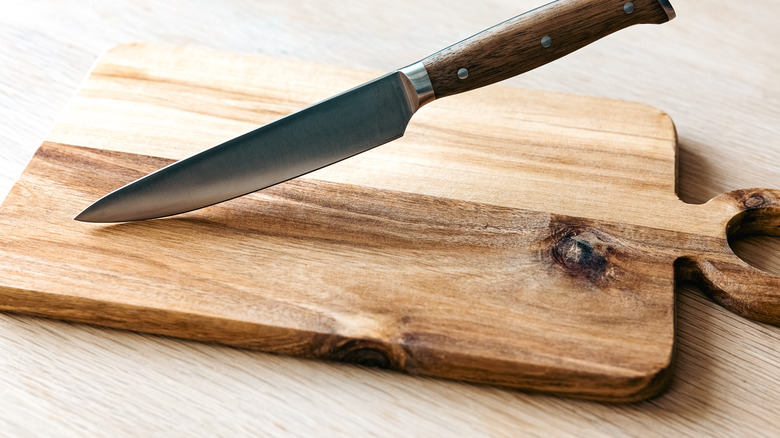
One easy way to help you keep to your budget while on vacation is by preparing some meals yourself. In order to make this easier, find accommodations that allow you to cook in some capacity. This can mean self-catering lodging or booking a room with a kitchenette. However, it's not always possible to do that. So, packing a few basic kitchen utensils can ensure you're able to put a meal together, no matter your accommodations.
This can be different depending on what you like to eat, but I find that the most important kitchen tool you can take on vacation is a knife. Then, I also like to pack a cutting board, a bowl, and a spoon. Having some of these tools will help you make a salad or a sandwich with some bread, cheese, and cured meats from the market or grocery store. This can be a lifesaver when you can't eat any more restaurant food, and it helps you save money in the long run.
Plan your meals in advance
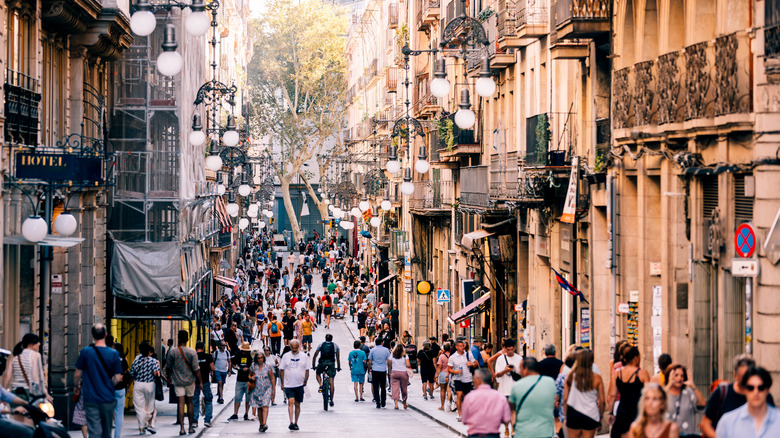
The old adage that you shouldn't go grocery shopping while hungry can somewhat apply to choosing a restaurant on vacation. When you've had an exhausting day of touring and find yourself starving, you may be tempted to choose the first place you come across to sit and eat. This can result in getting stuck at a tourist trap or a place out of your budget. I find that the best way to avoid this is to plan ahead. Before you head out for your day of sightseeing, plan breaks and choose a place to eat in advance. This can help you stick to a schedule so you don't overdo it with more activities than you can manage. Some snacks in your bag also help!
Even if you're not good at planning or prefer to be flexible, give yourself a realistic time frame, and at least find an area where you'd like to get a meal. This will help you move with a little more purpose throughout your day and in the direction of where you'll end up eating. Once you're in the area, you can make your decision of where to dine, and it won't be fueled by the pressure of tired feet and a rumbling stomach.
Choose a meal over tapas or small sharing plates

This may seem counterintuitive, but you can spend way more on small plates of food, shared among a group, than on a full meal for yourself. When vacationing with others, you might be tempted to sit and have some tapas to share, thinking it will be a more frugal way to dine. In my experience, this has had the opposite result. Tapas and small sharing plates are not always a cheaper way to eat, as you end up ordering several in order to fill up. Plus, tapas places are often on the pricier side because they tend to be more upscale, especially if they're also a wine or cocktail bar.
Depending on the country or the establishment, the bites might be quite small, and while delicious, you'll need more than just a few to satiate your hunger. In fact, if they're tasty, you might end up ordering more. Then, when it's time to split the bill, it will have added up to more than you expected. If you're having drinks while doing so, it will likely get out of hand and blow your budget for a meal. Instead, it can be a better value for your money to go and eat a full meal at a restaurant, where you have more control over what you order.