

Red Lobster's Rebrand Was Nothing Like Cracker Barrel's, And It Worked
If you've been paying attention to the country's most popular restaurant chains, you know many are suffering from economic pressures of rising inflation, tariffs, and changing dining habits. In response, several chains have chosen to modernize their operations — with some attempts fairing better than others. For instance, Cracker Barrel's recently rebranded modern logo resulted in such an uproar that the chain reversed the changes altogether, along with other renovation plans. On the other hand, Red Lobster recently underwent a significant rebranding campaign, one that many are calling a major comeback.
Why the rebrand worked for Red Lobster was that it was not only aesthetic, like Cracker Barrel's failed marketing refresh. Red Lobster's overhaul did include an updated, brighter ambiance, but more importantly, it aimed to tap into its consumers' preferences and the interests of a younger audience for an updated yet nostalgic dining experience. After filing for Chapter 11 Bankruptcy in May 2024, the chain brought in new leadership, including 36-year-old CEO Damola Adamolekun, as well as a $60 million restructuring plan funded by Fortress Investment Group. The changes included revamping menus to appeal to millennial and Gen Z tastes, nostalgic celebrity partnerships, and the reimagining of programs that cost the franchise money and wasted food. This meant an end to the Endless Shrimp deal, which has now been replaced with a Spendless Sprimp limited-time offer, which varies from the all-you-can-eat classic, including a big plate of three shrimp flavors, all for $15.99 (though prices vary across locations).
The Red Lobster updates are based in customer feedback
While aesthetic rebrands of restaurant chains like Bob Evans went relatively unnoticed, others like Cracker Barrel have a more ardent customer base — one that is apparently quite resistant to changing what they consider a good thing. In the case of Red Lobster, however, the rebranding updates were made as a direct response to what consumers want, and reactions on social media and in real life have been mostly welcome. This includes sustainable choices, when it comes to the chain's reported dedication to traceable and responsible seafood sourcing. Menu updates, alongside a 20 percent reduction in menu size, appeal to modern patrons' food tastes, featuring new, fresh, and foodie-forward items like lobster pappardelle and roasted asparagus. At the same time, the changes appeal to the chain's essential affordable, celebratory, and accessible dining experience, while bringing back throwback favorites like hush puppies.
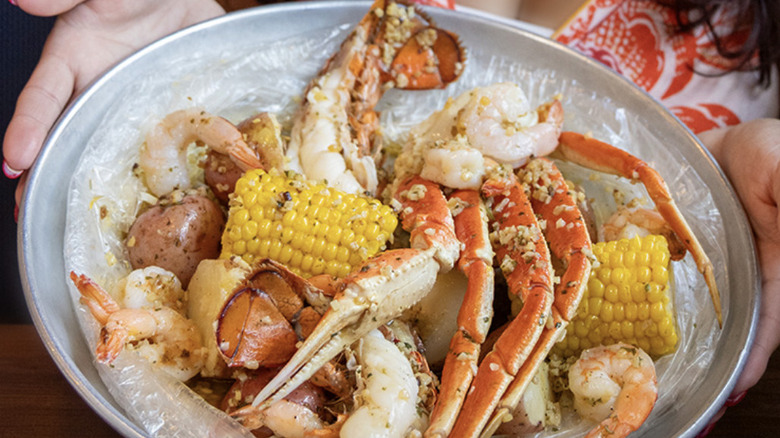
The Red Lobster rebrand was seemingly all about staying with the times. To do so, it was built upon and continues to morph to fit the needs of customers via avenues like social media, with increased engagement marketing campaigns. The chain even refreshed its tartar sauce recipe following negative reviews on TikTok. Similarly, after launching its re-envisioned seasonal seafood boil, now a more interactive, customizable experience, the chain added different seasoning options at the request of customers.