

The Best Foodie Souvenirs To Bring Home From The Middle East
Exploring another country through its national dishes, street foods, and drinks can transform your trip into a rich sensory and cultural experience. And while few tourists depart without gifts like magnets, handicrafts, or clothes, there's another type of souvenir to be considered: delicious snacks and beverages that may not be widely available back home.
As a Lebanese and East Mediterranean foodie who has traveled extensively across Jordan, Egypt, Oman, Qatar, the United Arab Emirates, Bahrain, and Türkiye, I consider myself qualified to recommend a wide array of flavorful goodies to bring back from your travels. I've also included tips on where to purchase these items and how to enjoy them like a local, while highlighting reputable, award-winning brands that offer many options. So, if you're planning a trip to the Middle East, consult the following list of essential foods and drinks that would make irresistible souvenirs and presents.
Coffee essentials
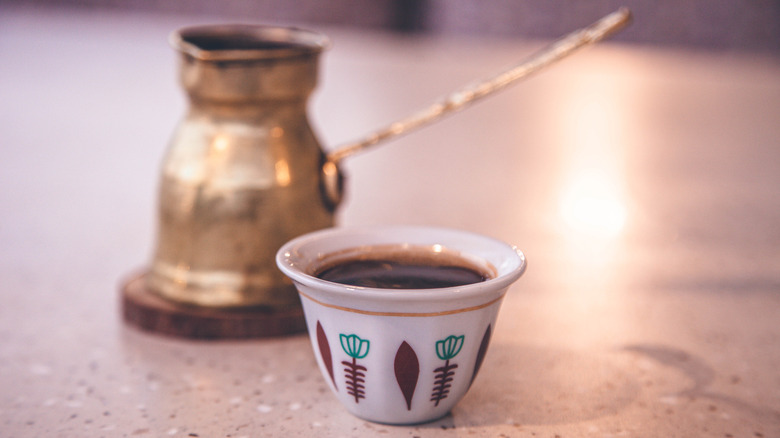
Coffee culture is prevalent in many tourist cities around the world, including Beirut and Istanbul. There, neighbors, families, friends, and coworkers alike gather around a strong arabica brew, be it bitter or sweetened, plain or cardamom-flavored. That daily ritual is a sign of hospitality and appreciation, not to mention an invitation to slow down.
In the Levant and in Türkiye, freshly prepared coffee is typically poured from a long-handled, narrow-necked pot into small cups. These pots can be plain or hand-painted, made of various materials including copper, stainless steel, enamel, or ceramic. Traditional serving sets — which may include an ornate tray and larger cups — can be purchased from souvenir shops. Naturally, you'll find cheaper options in big-box stores, in the home decor and utensils sections.
If you're purchasing a bag of coffee beans or freshly ground coffee from a traditional roastery, I recommend you have it vacuum-sealed for travel to prolong freshness. Some reputable houses to consider include the Lebanese Café Younes and Café Najjar as well as the Turkish brand Kurukahveci Mehmet Efendi.
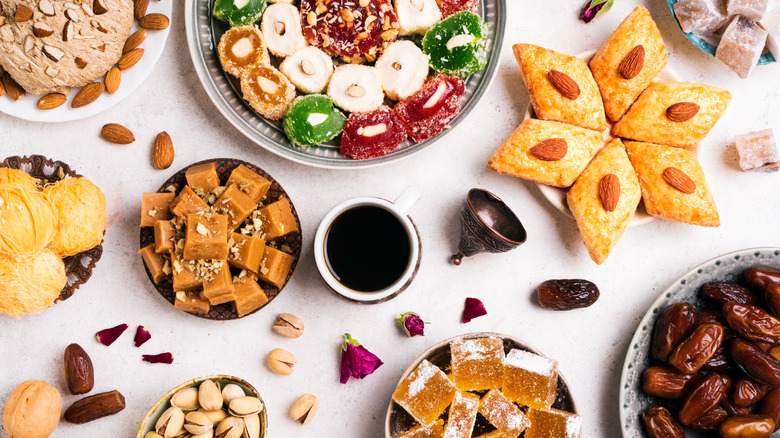
Sweets like baklava, maamoul, lokum, and cotton candy
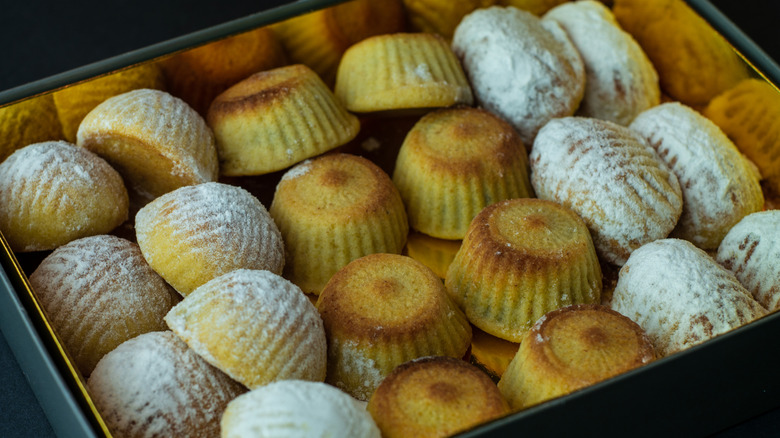
When they're not cream-based, many Middle Eastern sweets and confections can last you for weeks if stored in a cool, dry place. You could also refrigerate or freeze them for much longer. Fortunately, bakeries, patisseries, and duty-free shops offer many neatly prepackaged selections. Premium brands like Hallab, for instance, would definitely be appreciated as a gift.
Delicately flaky, drizzled with sugar syrup or honey, and filled with ground nuts, baklava is a popular choice. The exact origin of baklava is still disputed, but you'll find many variations across the eastern Mediterranean. Maamoul is another long-lasting option. Those crumbly cookies are made with semolina flour and filled with ground nuts, ground pistachios, date paste, or chocolate. They're typically prepared in Christian homes for Easter and in Muslim communities throughout the month of Ramadan, but they can also be found year-round in gourmet shops.
As for lokum — also known as loukoumi, rahat halkoum, and Turkish delight — it's available in many flavors and sizes. Standout choices to bring back include vanilla and pistachio, musk, rose, and fig. Insider tip: Squeeze your lokum between two tea biscuits for a special treat. You could also opt for artisanal cream-colored cotton candy, which is usually sold in small portions, either in a sealed box or individually wrapped. If you ever find yourself at a Lebanese restaurant, you might see this type of cotton candy served alongside ice cream, either with coffee or as an after-meal dessert.
Arak
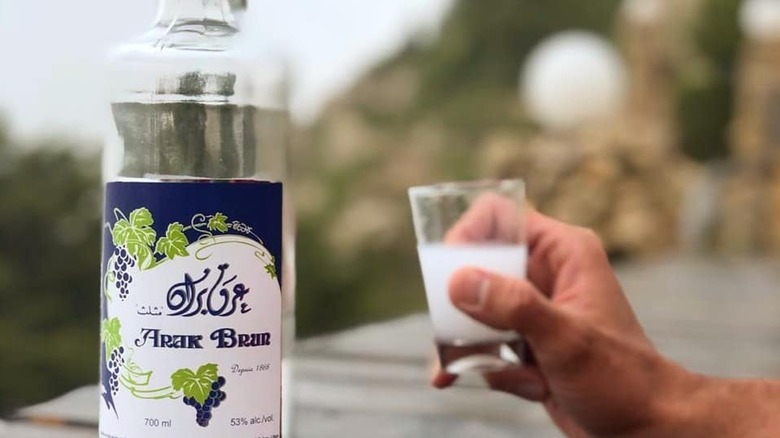
Similar to the Greek ouzo, arak is a staple in many Levantine homes, especially in Lebanon, where it's considered the national drink. This strong, anise-flavored, distilled alcohol has a long shelf life, even after opening (as long as you keep the lid on). It's widely available in supermarkets, duty-free shops, and (even better) artisan distilleries.
A word to the wise: I wouldn't consume the spirit undiluted, as it's too harsh on the throat. Instead, pour it into a thin glass, then add cold or room-temperature water (preferably ⅓ arak to ⅔ water). You can add your ice cubes when the liquid turns milky white.
Arak is typically served with mezze dishes, cheese, and grilled meats, especially in joyful social gatherings. And here's a unique snack from the mountains of Lebanon for you to try: the "drunken tomato." Just splash some arak on an heirloom tomato and then generously sprinkle it with sumac for an incredibly tangy finish.
Herbs and spices
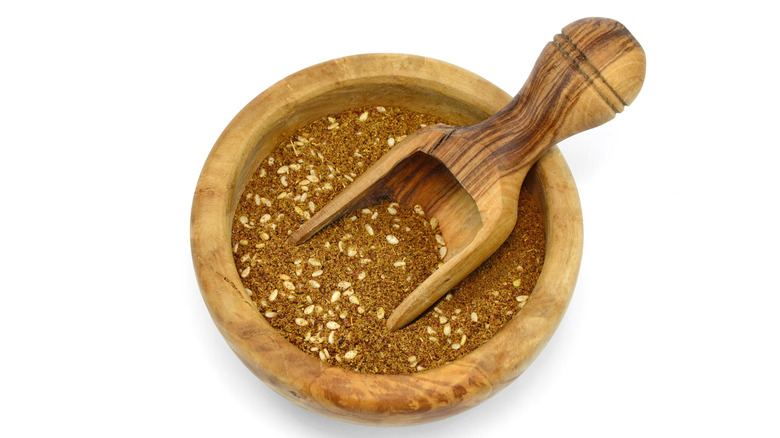
The spice trade in the Middle East is believed to date back to at least the ninth century and spans both regionally grown and imported spices and herbs. Today, the latter are widely used in Middle Eastern cuisines, and some of them are available in specialty shops and grocery stores across North America. While prepackaged brands are convenient, it's a whole different experience to buy these goods directly from a local spice market, where they're typically displayed in large trays and baskets, enveloping passersby in their strong aromas.
High-quality Egyptian cumin, for instance, is used abundantly with beans and lentils and in pasta dishes like koshari. A small jar I brought back from a trip to a traditional Nubian village is so potent that I only need a tiny pinch at a time. Then, of course, you've got za'atar, a beloved Levantine blend. It often consists of dried thyme and oregano, sesame seeds, and sumac, and it can be sprinkled on salads and cheese, or mixed with olive oil to form a thick paste for sandwiches and flatbreads. When we were school kids, our mothers made us eat za'atar right before a test because they believed it sharpened the mind.
Then there's the Lebanese sabaa' baharat, or seven-spice mix, which commonly consists of allspice, cinnamon, cloves, nutmeg, coriander, black pepper, and cumin. It's quite versatile and mostly used in stews and chicken dishes.
Roasted mixed kernels
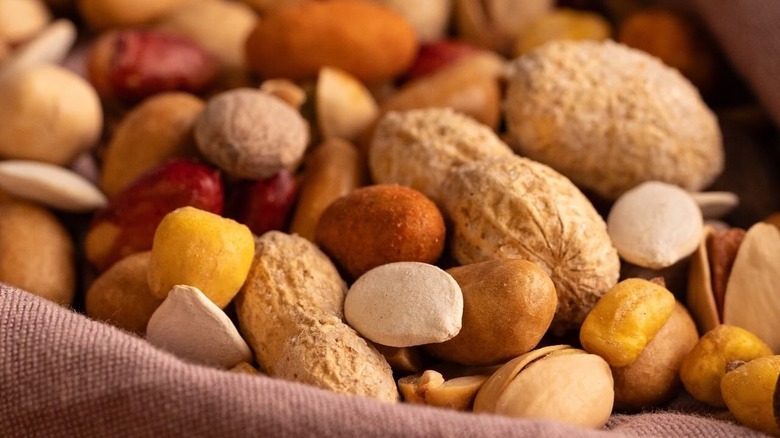
Whether it's at a small gathering, a family Sunday lunch, or a massive celebration, a Levantine table isn't complete without some roasted nuts and kernels, especially where arak, wine, or whiskey is served. In fact, if you order any alcoholic beverage in Lebanon, chances are you'll be offered a complementary bowl of various nuts and seeds.
This delicious and crunchy snack spans many items, from pumpkin seeds to chickpeas, pistachios, cashews, corn, almonds, peanuts, and macadamia nuts. The flavors and textures are endless; you can find plain or low-salt varieties, smoked or honey-coated options, or mixes flavored with cheese, paprika, chili, wasabi, vinegar, truffle, and more.
You can find many types of affordable, medium-quality, prepackaged mixes at the market, but I'd suggest you customize your own at any premium roastery, making sure to have your bag vacuum-sealed for travel. A few excellent household names to consider include Al Rifai, Choucri Hamasni, Al Oqab, and Al Amira.
Premium organic honey
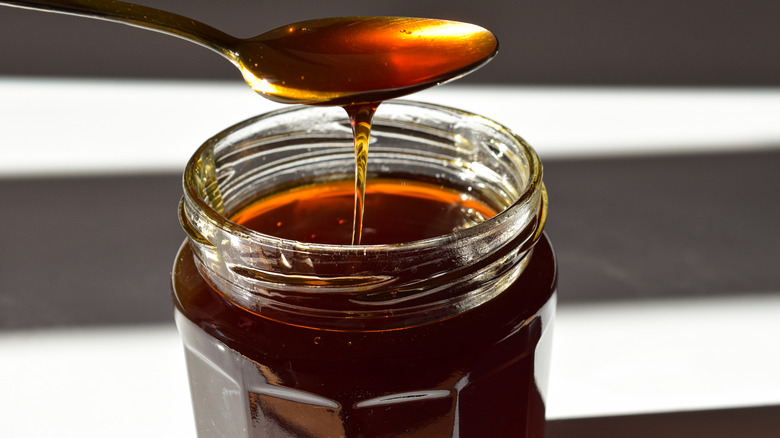
Humans have been gathering honey for thousands of years, and there are many excellent varieties and flavors around the world today, from New Zealand's manuka nectar (a traditional Māori food) to Hungary's acacia honey and Yemen's sidr honey. When traveling in the Middle East, you'll find enough options in supermarkets to suit all tastes and budgets, but high-quality specialty products can be found at the farmers market or bought directly from seasoned producers.
You can find a range of honey flavors in the Sultanate of Oman, for example: Options include turmeric, ginger, clove, saffron, cardamom, frankincense, and rose. Raw frankincense honey, harvested from the wild desert flowers that grow in the south of the nation, is particularly praised for its smooth texture and purity.
Lebanon also offers unique 100% natural honey, from cedar and oak to orange blossom and thyme honey. As for Egyptian raw clover blossom honey, its delicate floral flavor is especially fit for baking and sweetening hot beverages — I, for one, use it in chai blends.
Pickled goods
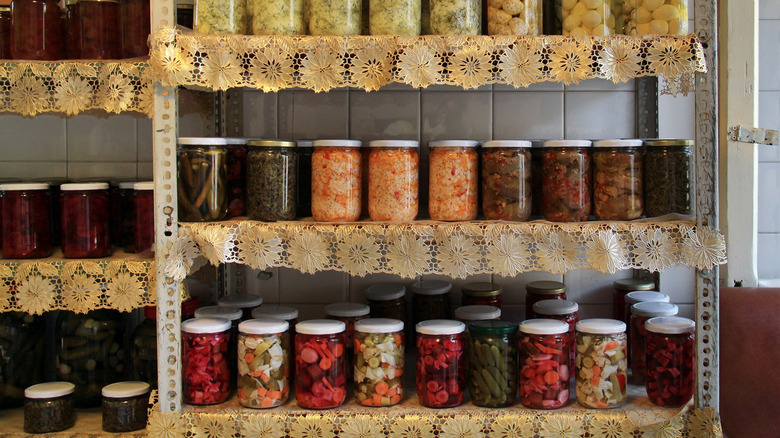
Who doesn't enjoy the crunch of a good pickle, consumed on its own, in a hearty sandwich, or alongside grilled meats? There are so many delicious varieties to choose from. There are a few Middle Eastern staples you can't go wrong with, whether you get the generic ones from the store or the authentic version from the farmers market.
Reigning supreme across the Levant is makdous, or baby eggplant in cured olive oil. Typically consumed as a sandwich filling or next to mezze, flatbreads, and eggs, it's available stuffed with garlic, walnuts, and/or red peppers. Bright pink pickled turnips are another widely popular option; they're mainly used to give an extra acidic kick to boiled eggs and falafel and shawarma sandwiches.
Or, you could simply opt for a jar of various mixed pickled veggies (another great addition to mezze dishes). A mix like this might include cauliflower, carrots, garlic, green tomatoes, artichokes, wild cucumbers, bell peppers, herbs, and chili flakes.
Premium olives and olive oil
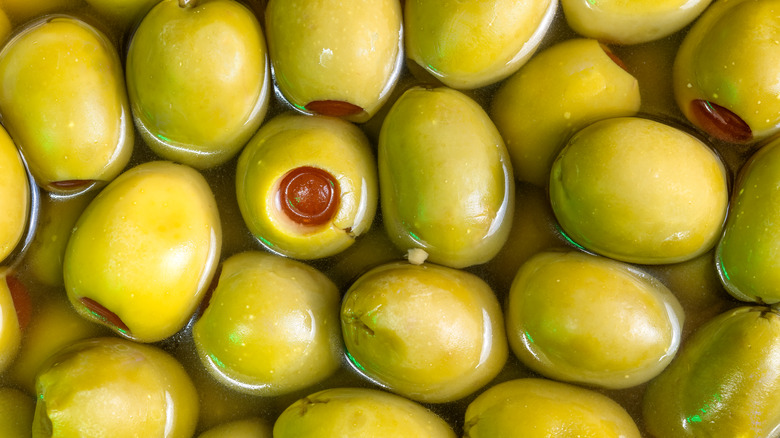
Olive trees grow abundantly in the eastern Mediterranean, a region characterized by mild, wet winters and hot, dry summers, and where olive oil production dates back thousands of years. It's no wonder, then, that you can find some of the finest olives and extra virgin olive oils in that region. In fact, many premium brands have garnered prestigious international awards, from CBIO Jaoude to Darmmess and Domaine Natroun.
You could also bring back home different varieties of delicious green and black, bitter and mild olives. You can find them either plain or stuffed with almonds, walnuts, garlic, chili, lemon, or labneh — a popular spread made from strained yogurt.
If you ever find yourself in the Lebanese town of Bchaaleh, don't forget to visit the "Sisters." Locals believe this grove of resilient olive trees is several thousand years old.
Wine
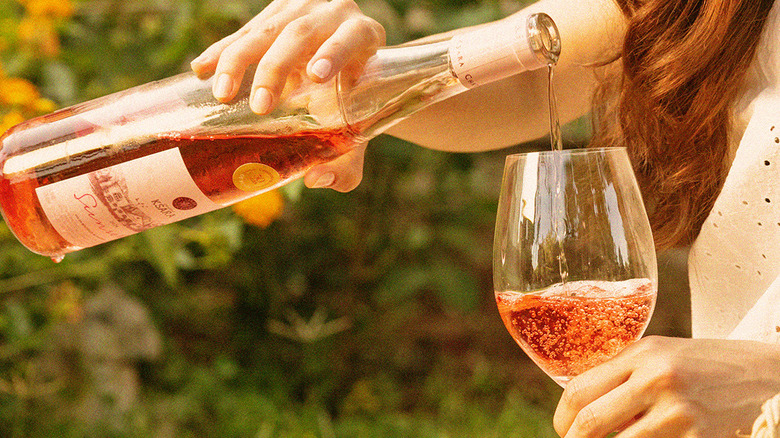
Viniculture and wine production in the Middle East also have a long and rich history. Many modern commercial brands have won both local and international awards, such as Château Ksara's 2018 Sunset, a Lebanese rosé made from cabernet franc and syrah grapes. No matter its production year, this aptly named bottle is especially popular at weddings, potlucks, bachelorette parties, and beach resorts. More great picks for you to try include Beausoleil and Likya Wines. You can also get your hands on organic wines (especially the sweet and potent kind) that are directly produced in monasteries, such as Hamatoura and Adyar.
Enotourism is a fun way for you to sample local brands. Lebanon alone, as tiny as it is, is home to nearly 80 recognized wineries, many of which are headquartered in idyllic estates offering tours that include pairing demonstrations and tastings. These destinations are often booked for weddings and other events, especially in summer.
Dates and other dried fruits
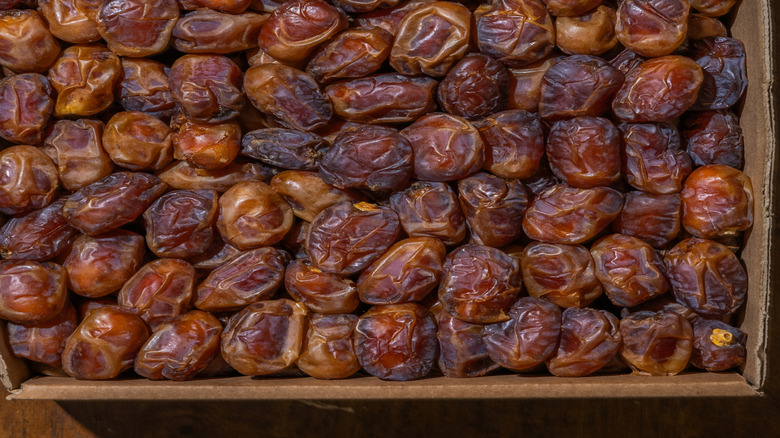
Gulf Cooperation Council countries, especially Saudi Arabia and the UAE, are renowned for producing some of the world's finest dates. These ancient fruits are widely available across the Middle East and beyond, be they plain, stuffed with nuts, or coated with chocolate, which means you'll have plenty of deliciously rich options for presents.
Many different generic and affordable brands are available in markets and duty-free shops. Still, if you intend to secure those premium goods, you'll have to consider the more expensive date varieties. These include medjool, anbara, sukkari, or khalas.
If you're not a fan of dates, several other reasonably priced dried fruits are sold in supermarkets and roasteries, including raisins, sultanas, figs, prunes, mangoes, and apricots. For an especially tangy treat, consider amar el deen, which are thin sheets of dried apricot paste that can be consumed plain or paired with chocolate and nuts.
Rose water and syrup
Roses have long been utilized for various domestic and cosmetic products, from essential oils to facial creams, shampoos, and perfumes. They're also a fragrant component of many Middle Eastern dishes, drinks, and desserts.
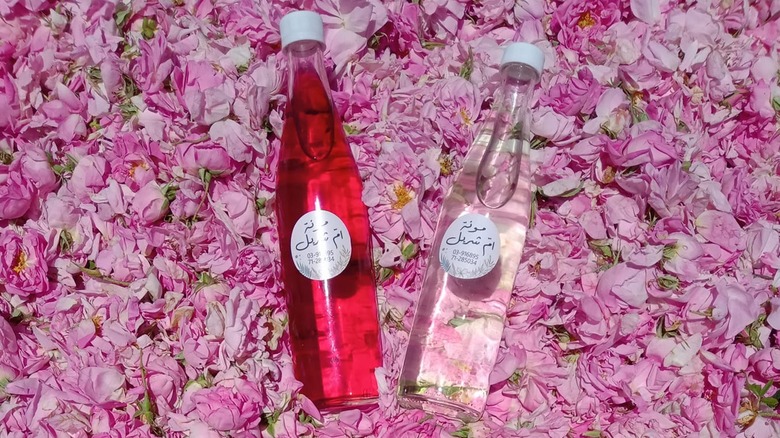
Sold in clear glass bottles, rose water is a transparent liquid distilled from quality handpicked rose petals. We use it abundantly as a folk remedy to tone and moisturize chapped or burned skin. In the kitchen, though, it's mostly meant to add a floral touch to puddings, lemonades, baklava, lokum, jams, jellies, cakes, and even meats.
Rose syrup is also sold in clear glass bottles, but it's much thicker and has a color that ranges from pink to deep magenta. Mix it with sparkling water or a soda for a refreshing summer drink, or incorporate it into your teas, juices, and cocktails. It can also be drizzled over desserts like pancakes and ice cream as a finishing note.
Carob molasses and pomegranate molasses
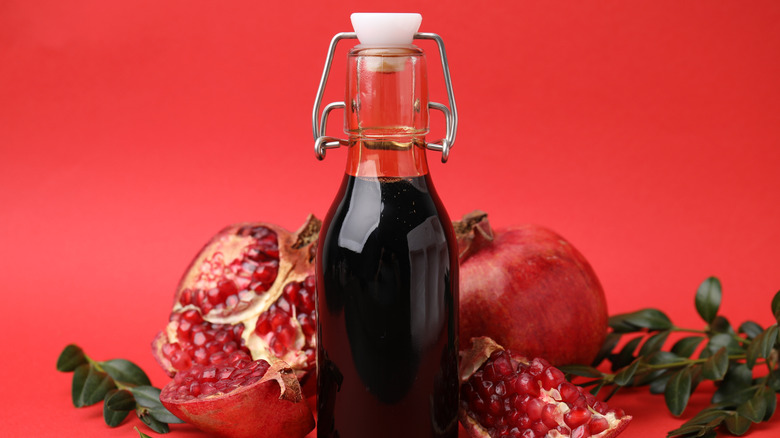
Molasses is another key component of Middle Eastern cuisine, and two of the most popular and affordable varieties are carob and pomegranate. Extracted from soaked, milled carob pods to form a thick, dark brown syrup, carob molasses has multiple culinary uses and is a pantry staple. We typically just mix it with tahini and scoop it with pita bread at breakfast or as an after-lunch treat. Otherwise, it's incorporated as is into desserts and meat glazes. Swap it for chocolate as a low-sugar ingredient for cakes, especially Levantine treats like sfouf bi debes, a fluffy, vegan semolina-based cake sprinkled with sesame seeds.
There is also sticky and tart pomegranate molasses. This is created from reduced pomegranate juice and widely used in chicken marinades, spinach and meat pies, mini-sausage gravies, and salad dressings.
Jams, jellies, and preserves
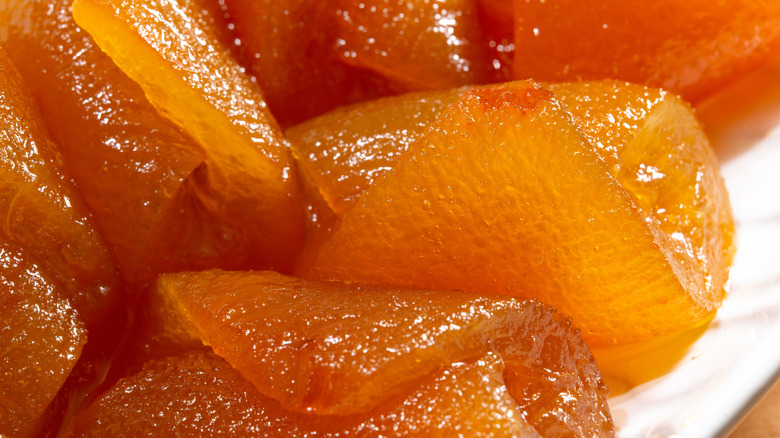
Enjoyed plain, spread on toast with peanut butter, in teas, or as a cake or pie topping, jams, jellies, marmalades, and preserves are beloved by kids and adults alike in every corner of the globe. While on a trip to a Middle Eastern country, rather than buy jam flavors that are widely produced back home, such as strawberry, apple, cherry, peach, apricot, or raspberry, consider the following locally beloved options instead.
Sun-dried fig jam with sesame seeds, aniseed, ground walnuts, and mastic, for one, is a rich explosion of flavor and texture. Another unique treat is bou sfeir, bitter orange peels preserved in thick syrup. This delicacy is more of an acquired taste, since it's sweet and tangy with a bitter aftertaste. It pairs well with dark chocolate, or you could add some to your plain greens for some extra oomph, topped with crushed walnuts.
As for the gourmet rose petal jam, it's typically drizzled on milk-based desserts, ice cream, or yogurt. It's also added to syrup-drenched sweets like baklava.