

15 Mistakes Everyone Makes When Storing Leftovers
We may receive a commission on purchases made from links.
Cooking one meal and eating leftovers for the next few days can be a time-saving convenience for many. Not needing to cook from scratch and saving on food waste at the same time is the ultimate in weeknight convenience, but it comes with a catch. Storing leftover food safely is crucial to avoid food-borne illness, and some rules are less evident than others.
Much of it hinges around what the USDA refers to as the "Danger Zone": the temperature range when bacteria are likely to multiply the fastest. Keeping your leftovers out of these temperatures whenever possible will reduce the chances of nasty microorganisms multiplying in your food and potentially making you sick. From refusing to put hot food in the fridge to forgetting to date your food, let's take a look at 15 mistakes everyone makes when storing leftovers.
Leaving the food out for too long
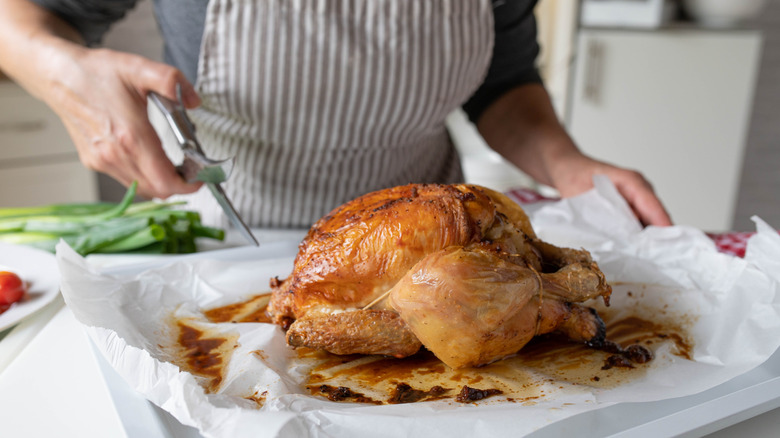
One of the most common mistakes people make with leftover food is leaving it out on the countertop for too long. Understandably, if you have just cooked a big meal, you will want to sit down and tuck in, rather than spending more time in the kitchen sorting out the food that is left. If you think that dinner may take a while to eat, however, you could be taking a risk.
According to the USDA, food should be cooled in the refrigerator within 2 hours of being cooked, if it has been allowed to cool to room temperature. If you have cooked the meal but kept it warm, then the 2 hours begin once the appliance is turned off. The Danger Zone for food lies between 40 and 140 degrees Fahrenheit, so if your kitchen is exceptionally warm, you should reduce this to 1 hour.
Bacteria such as salmonella and e.coli can make you very sick, so if warm food has been left out for more than 2 hours, chuck it to be on the safe side. When possible, take a few minutes after you complete the meal to store the leftovers in the fridge, even if you need to go back later and add labels or use your favorite storage containers. That way, you can sit and enjoy dinner with everyone else, knowing that your food is safe.
Refrigerating huge portions
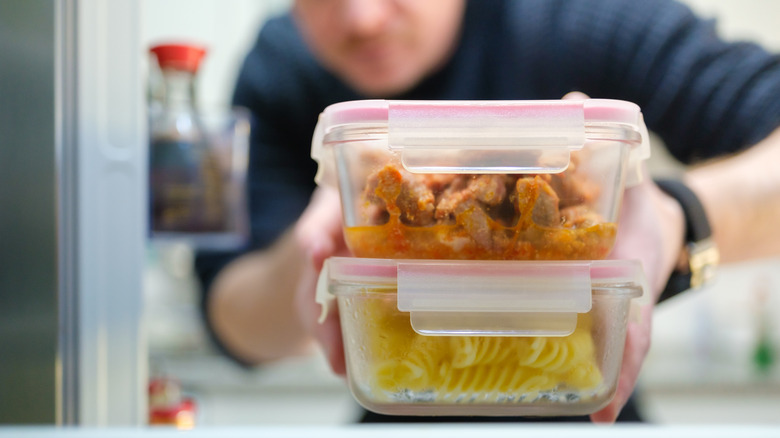
If you have a huge portion of food left over to store in the fridge, it could be tempting to put it all in one giant portion, however, while this may seem convenient, it could actually be putting your food at risk. The USDA advises that the safest way to cool food is to do so rapidly, and the larger the portion, the longer it will take to get below the Danger Zone temperature.
Putting an enormous casserole in the fridge in the original dish means it could stay warm for hours, and the middle in particular will be in the Danger Zone for much longer than is safe. The solution, even if it takes longer to prepare, is to divide the food into smaller containers, particularly shallow ones. The surface area in a shallow container is much larger, meaning that the cold fridge air can reach more of the dish at one time, and cool the center much faster.
This can also be handy if you plan to freeze the leftovers, as they will already be in small portion sizes, making it easier to store them on separate shelves. It also means the casserole dish or soup pot can go straight into the sink or the dishwasher, rather than taking up half of the fridge space overnight. Though the main reason for smaller portions is to keep the food safe, it will make accessing the leftovers during the coming days easier, too.
Storing tomato-based sauces in plastic containers
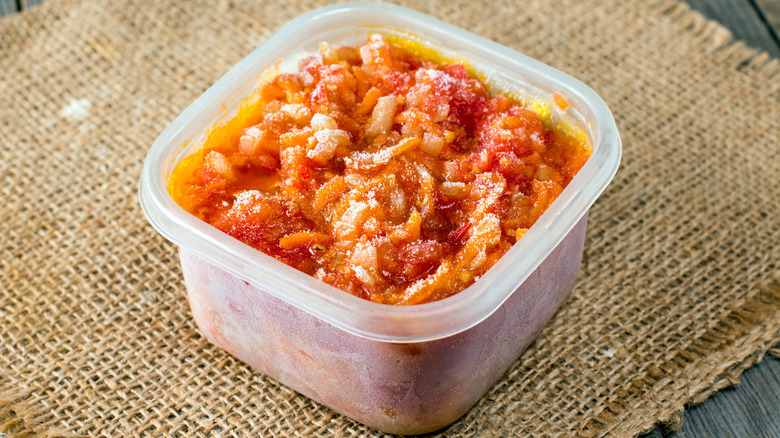
If you have ever stored leftover tomato sauce in a regular plastic container, you will be aware of the feeling of frustration at the orange stain it leaves behind. This is made worse if the tomato-based food is heated in the microwave in the container, and getting rid of those stubborn stains seems nearly impossible.
The best way to prevent this culinary annoyance is to store tomato-based dishes in glass jars and containers instead of plastic. As well as being stain-resistant due to its impermeable nature, glass is free from Bisphenol A (BPA), which is present in many plastic food containers and has been shown to have negative health effects. Glass containers are available that are both fridge and freezer-safe, which will allow you to store your marinara sauce for as long as you need.
If you prefer to use plastic, you can reduce the chance of staining by prepping the containers first. Spray a little cooking oil around the bottom and sides of the container before adding the food, and it will act as a protective layer that can help lower the chances of the dreaded tomato stains.
Not covering food properly
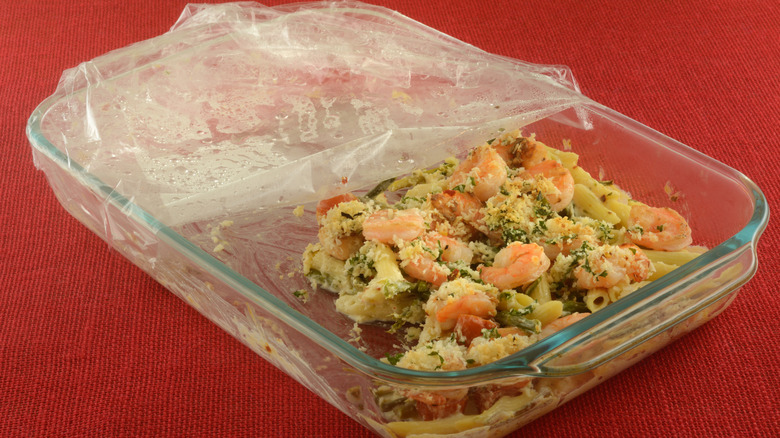
It can be so tempting after a long day to stick the leftover dinner in the fridge without a lid or covering and forget about it until the next day. While many of us do this on a regular basis, you will not be doing your leftovers any favors, and it could prove to be a dangerous move.
The first issue your uncovered food will have is a deterioration in quality. Food exposed to cold refrigerator air is more likely to dry out, reducing the time you can keep it and still enjoy it. Worse than that, however, is the risk of contamination from other foods. If your leftovers are stored in sealed containers, they will be safe from any errant juices from raw meat that may become airborne as you move things around. In an uncovered container, they will be at risk, and if you choose not to heat your already-cooked leftovers, the risk of foodborne disease could be significant.
An airtight container is the best option, but at the very least, you should cover your food with plastic wrap or aluminum foil. This will keep it safe from moisture loss, absorbing strong odors, and nasty microorganisms lurking in the fridge.
Storing them in the fridge for too long
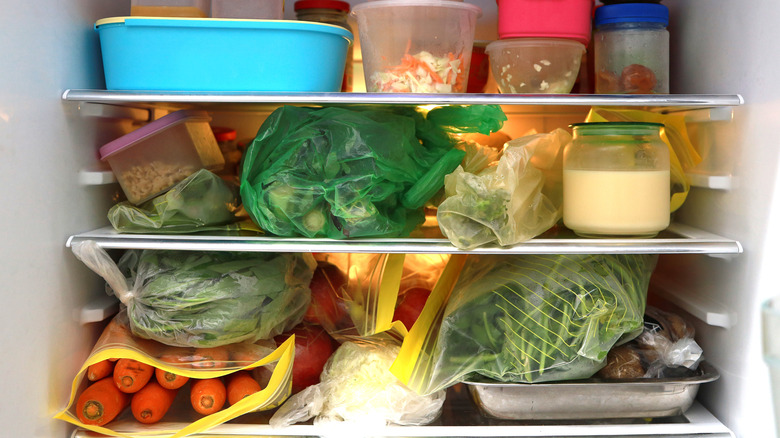
It can be tempting to think that because your food has already been cooked, you don't need to worry about how long the leftovers have been in the fridge. However, bacteria can begin to grow even at low temperatures, and the longer food remains in the fridge, the higher the chance of food-borne illness.
The USDA advises that cooked leftovers can be kept in the fridge for 3 or 4 days safely, after which time they should be discarded or transferred to the freezer. Even if the food smells fine, there could still be mold or bacteria growing, and it isn't worth the risk to eat it after this time. Even if the 4 days haven't elapsed, if the food smells funky or the texture has deteriorated, it is best to throw it out, particularly if it contains meat or seafood. It may feel wasteful, but keeping your family safe is more important than saving a curry from a few nights ago.
Not dating leftovers
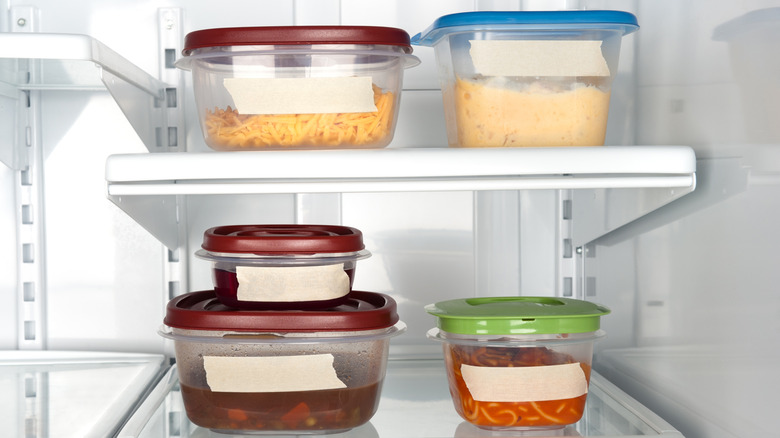
When you put leftover food in the fridge, it is easy to think you will remember exactly when it went in. Realistically, though, most of us have so many things running through our heads that the date of the leftover chicken pot pie is going to be pushed out of our minds. By taking a few seconds to label the containers before putting them in the fridge, you can save yourself a lot of guessing a few days later.
While labels or masking tape can work fairly well, investing in a roll of freezer tape is a great idea to help keep your kitchen organized. You can write the date directly on the tape, and it will keep its stickiness even at the low temperatures of the freezer. Speaking of which, if you thought that you could chuck your leftovers in the freezer and they would stay good indefinitely, that is not quite true. While they will never go moldy, there is an optimum time for freezer storage that differs from food to food, so dating your freezer items, too, will allow you to use the oldest items first.
Assuming you can't put hot food in the fridge
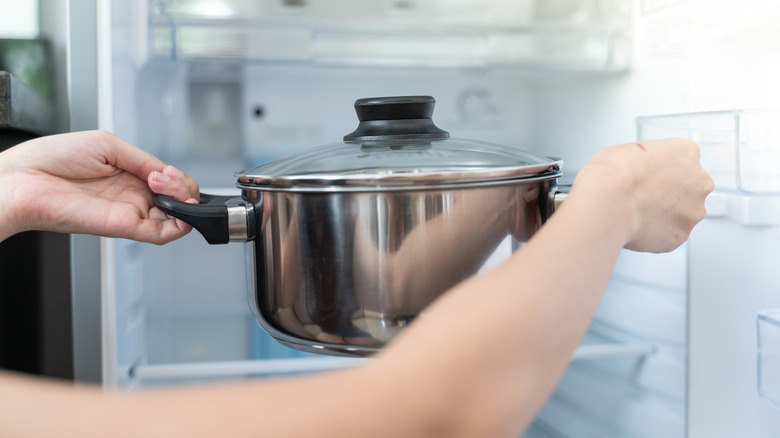
Like many people, you may follow the rule of allowing hot food to cool completely on the countertop before adding it to the fridge. After all, putting hot food in the fridge will raise the internal temperature, which could cause items inside to spoil, right? Well, no, actually. This culinary myth doesn't apply to modern refrigerators, and it is the safer option to add hot food directly to the cold environment.
Leaving food to cool on the countertop means it falls into the Danger Zone and stays at the top end of it for a while. In an interview with The Kitchn, food safety specialist Dr. Benjamin Chapman explained, "Between 90°F and 110°F is way more dangerous than 43°F or 48°F because it's the ideal temperature for most pathogens associated with the gastrointestinal tract to grow." This means that refrigerating reduces the risk significantly, even if the meat is still in the lower end of the Danger Zone after an hour or so. Instead of leaving it out, transfer the food to a fridge-safe container and start cooling it down straight away.
Storing leftovers in the fridge door
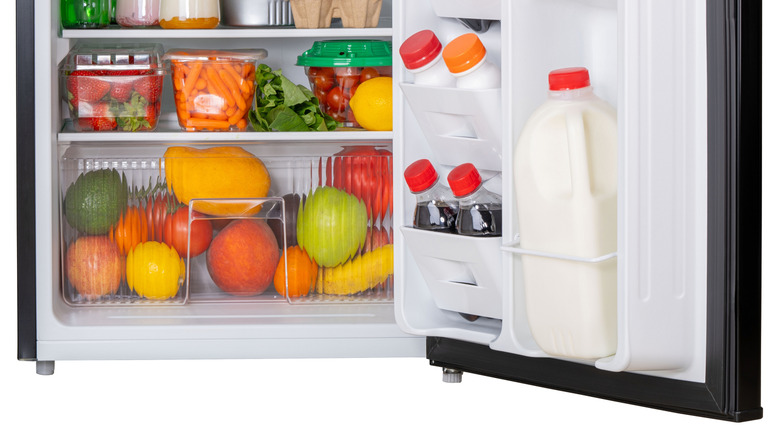
The fridge door is a handy storage space, and it's a great place to store non-perishable items such as condiments and sauces. However, storing fresh food in the door is not a good idea, since it is the least consistent area of the fridge in terms of temperature.
Every time you open the fridge door, hot air rushes in, disrupting the temperature, and the door will feel the effects for longer than the rest of the fridge. For perishable food, a consistent temperature below 40 degrees Fahrenheit is crucial, which can only be achieved on the main shelves. The bottom shelf is the best location, especially if you store the leftovers near the back. As long as your container is not blocking air vents, then this spot should keep the food consistently cool, meaning it will be fresher and safer for longer.
Overloading the fridge
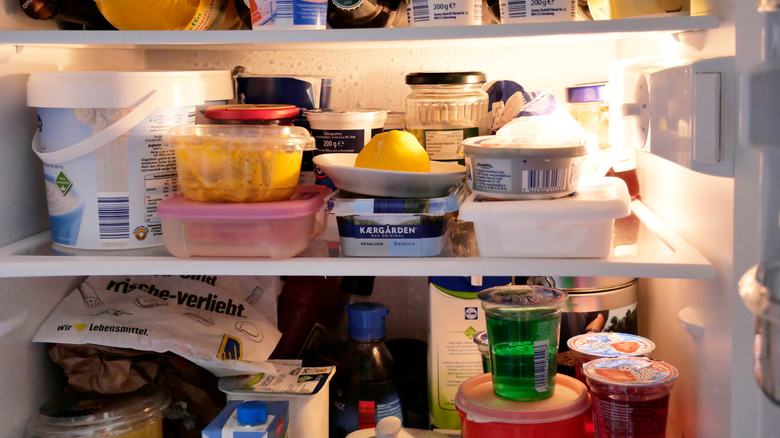
After completing the weekly shop, it can be very satisfying to stand back and look at your fully stocked fridge with pride. Depending on how crammed full it is, though, putting too much in the fridge can actually be dangerous.
A fridge keeps cool by circulating cold air in a process called convection, where the coolest air sinks to the bottom, and the hot air rises. If there is little space in the fridge for the air to move, the convection currents can't circulate properly, meaning the temperature may not be as low as it should be. In terms of hot leftovers, it means they will take longer to cool, which means spending too much time near the top of the Danger Zone.
As a rule, keep the fridge no more than ¾ full and ensure the air vents are not blocked. It may mean buying fewer groceries in one trip, but it will keep your leftovers and the rest of your food safe.
Letting frozen food sit in the danger zone
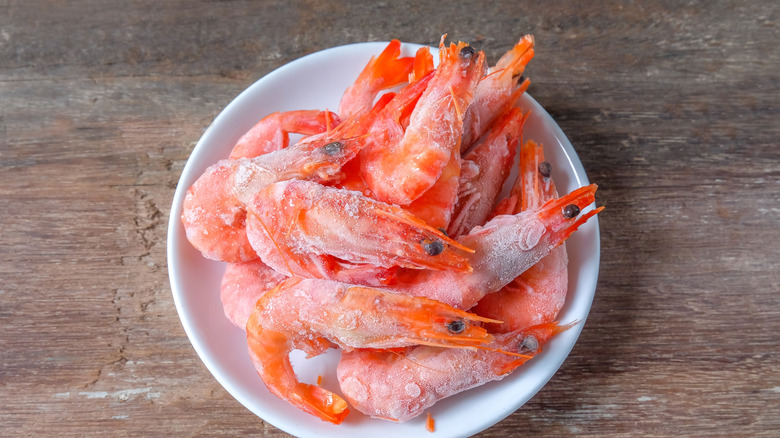
Freezing is an excellent way to store leftovers that you likely won't eat within a few days, as it can retain food quality for months and keeps it safe for an extended period. However, getting it from its frozen state to the dinner table requires some thought, and there is a popular thawing method that can put the food in danger.
Bringing food out of the freezer and setting it on the kitchen counter to thaw is second nature to many of us. For most items, it allows them to defrost within a few hours, meaning dinner can be prepared in plenty of time. However, doing so will result in the food temperature going even further into the Danger Zone.
The USDA does not recommend thawing food this way, warning that there is a significant risk of bacteria multiplying. Instead, there are three methods of defrosting that they recommend. If you have time, defrost overnight in the fridge. It is the slowest method, but also the safest, so try to plan ahead when you can. If time is tight, you can either submerge the food in cold water until it is no longer frozen or defrost it in the microwave. For both of these methods, you should cook the food immediately after defrosting. Otherwise, it is not considered safe.
Reheating multiple times
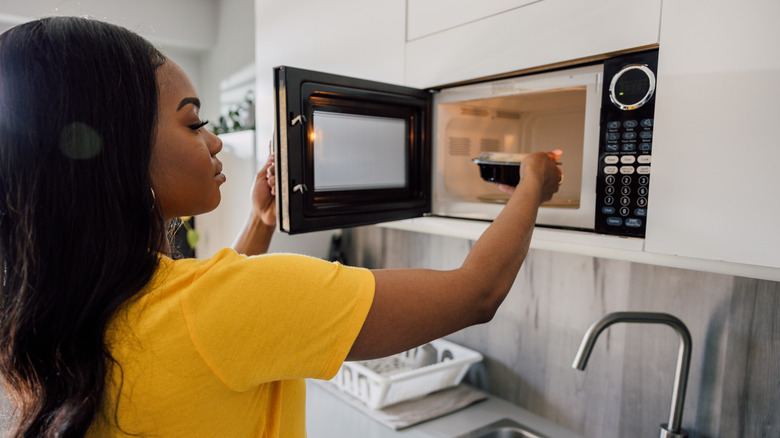
When you are serving up leftovers for either lunch or another dinner, it can be tempting to reheat the entire portion, with the plan of returning any unused food back to the fridge. However, doing so can have implications for both the quality and safety of the leftover food.
Every time you reheat a meal, let it cool, and return it to the fridge, the texture and flavor can be compromised. This means that your leftover curry is not going to be quite so appetizing on the third reheat. There is also the issue that each time you do this, the food will enter the Danger Zone, allowing bacteria to multiply.
The best solution is to store your leftovers in smaller containers to begin with, especially if you are planning to freeze them, so that you are not reheating food unnecessarily. If you only have large storage containers available, simply remove the small portion that you need for heating, and keep the rest in the fridge, well below the Danger Zone, and prevent those opportunistic bacteria from growing.
Not reheating to safe temperature
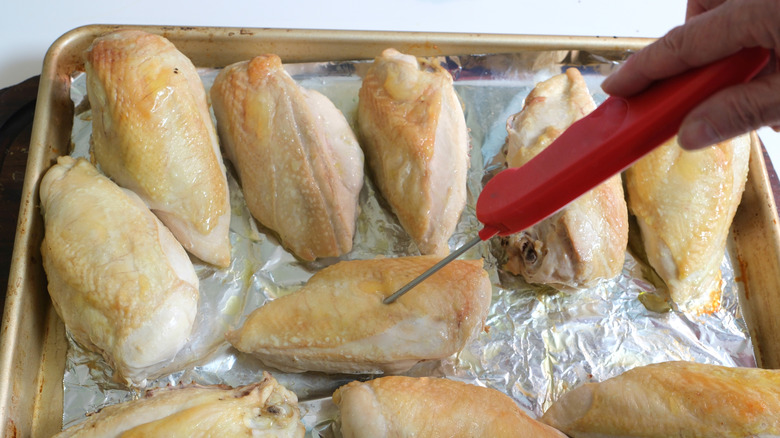
When food has already been thoroughly cooked and then chilled, it is tempting to assume that the risk of food-borne illness has all but disappeared, but this is not the case. If you only heat your leftovers up to warm rather than hot, they will likely land squarely in the Danger Zone, making them a breeding ground for dangerous bacteria. This is especially important when reheating food for young children, as your instinct may be to avoid heating it too much to prevent them from burning themselves. In this case, the food should be thoroughly heated to at least 165 degrees Fahrenheit and then allowed to cool slightly before serving it.
Take special care when heating in a microwave, as hot and cold spots can occur, meaning that some of the food is at a safe temperature, but other areas may not be. Stirring regularly during cooking is the best way to avoid this and keep everyone safe.
Refreezing food that has come to room temperature
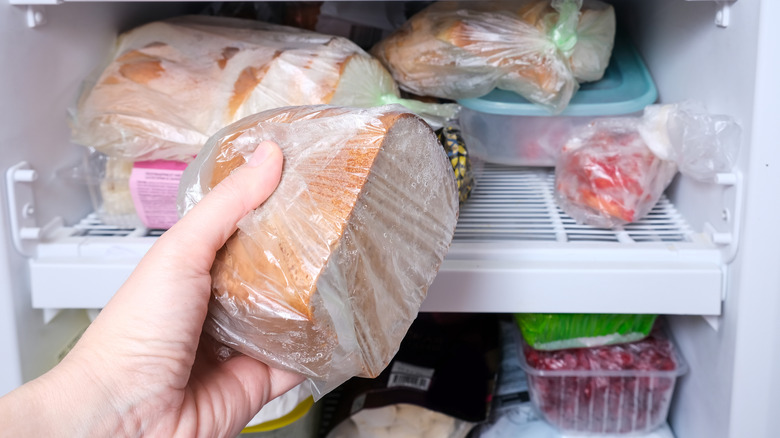
It is a common myth that once you have removed previously cooked food from the freezer and allowed it to defrost, it cannot be frozen again. This is only partly true, and it depends on the method of thawing. If you defrost it on the kitchen counter, which the USDA does not recommend, then you definitely shouldn't return it to the freezer. However, if you have defrosted it slowly in the refrigerator and are confident it has not reached a temperature above 40 degrees Fahrenheit, then it can be safely returned to the freezer if you change your mind.
If you have used either of the other USDA-approved methods of defrosting (running under cold water or microwaving), then you should not refreeze the leftovers. To keep your food as safe as possible and reduce the chance of quality degradation, freeze leftovers in small containers and only defrost what you need.
Not storing raw meat safely
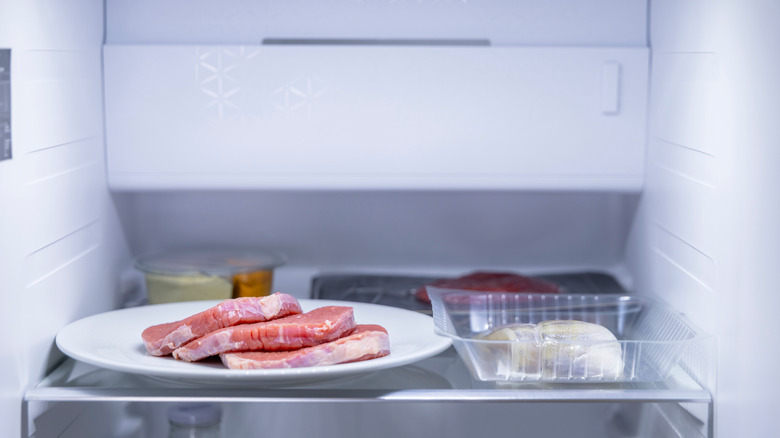
When it comes to safe food storage, meat is one ingredient that needs careful consideration. Many food-borne illnesses stem from improper cooking or storing of meat, including salmonella and e.coli, so it is crucial to take the storage of meat seriously to keep your family safe.
Raw meat should be stored near the bottom of your fridge, when possible. Not only is this one of the coolest spots in the refrigerator, but it reduces the chance of juices from the meat dripping dangerously onto cooked food below. Cooked meat should be kept on a separate shelf further up the fridge to prevent cross-contamination. Both raw and cooked meats should be covered and kept in either airtight containers or sealable plastic bags, which will help keep them fresh and further reduce the risk of contamination.
If you have considered washing raw meat to reduce the chance of illness, this is not recommended. Washing it can actually cause the bacteria to be transferred onto surfaces and crockery near the sink, which will increase the danger, rather than decreasing it. Put it straight into the fridge instead, or the freezer if you think you may not use it before the expiration date. With meat and fish, it is always better to be safe than sorry.
Leaving rice out at room temperature
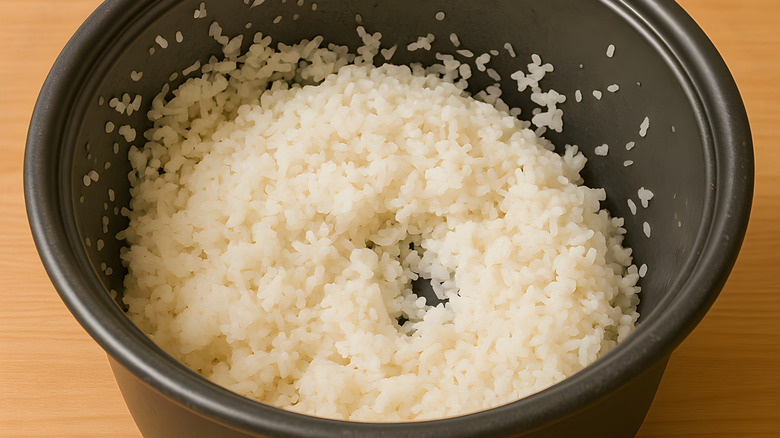
Rice may seem like the ideal food to cook as a big batch over the weekend and use the leftovers for days, but it is actually one of the riskiest foods to handle. Due to the presence of the bacterium bacillus cereus in rice, the usual food storage rules don't apply to this staple.
If rice is left in the Danger Zone for any length of time after cooking, the bacteria will multiply quickly, and reheating may not be enough to destroy them. If you plan to keep some of your rice till the next day, cool it down as quickly as possible, ideally by placing it in the fridge in shallow containers shortly after cooking. The leftover rice must be eaten the following day, and it is essential to heat it thoroughly and discard any left uneaten at the end of the meal.