

Making Matcha Without A Bamboo Whisk Is Easy With This Simple Hack
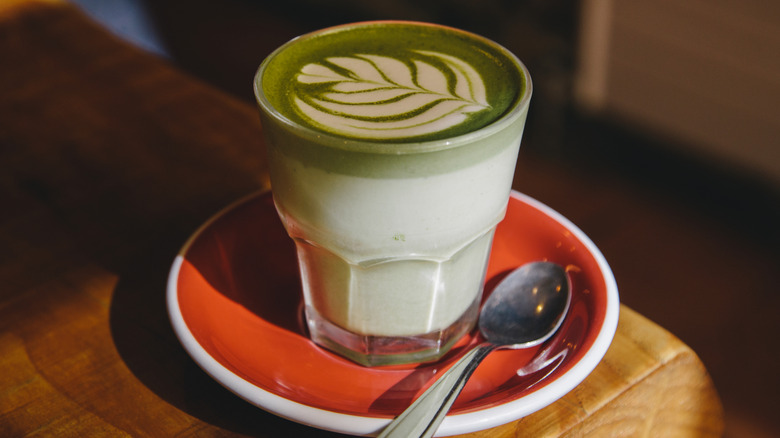
Making matcha at home is a lovely ritual, but what if there's no whisk in sight? Traditionalists would point you toward the chasen, a delicate brush of split bamboo tines that's designed to whip air into the tea until it blooms into a frothy green suspension. But if the ceremonial toolkit is missing, and all you've got is a random Mason jar or kombucha bottle? Time to shake it up.
Jee Choe, tea sommelier and founder of the delightful tea blog Oh, How Civilized, has a clever trick. "One of my shortcuts to making matcha without a whisk is to put ¼ cup water and 1-2 teaspoons of matcha into a small, airtight container and shake vigorously," Choe explains. "You can also use a cocktail shaker. Shake until you don't see any clumps. A tip is to put the water in first, then the matcha to prevent clumping."
About the dreaded clumping: They're actually a sign of a high-quality powder! Matcha is made from stone-milled green tea leaves, which makes it especially prone to static cling and humidity-related unevenness. And just as flour or powdered sugar benefits from sifting, matcha powders want to form little lumps. Shaking with enough force breaks those clusters apart, while adding the water first reduces the powder's chance to bind to itself. You can also push the matcha powder through a mesh sieve with the back of a spoon first. The result won't replicate the soft micro-foam of a traditional bamboo whisk, but it's smooth enough to pour over milk or sip straight.
Matcha point
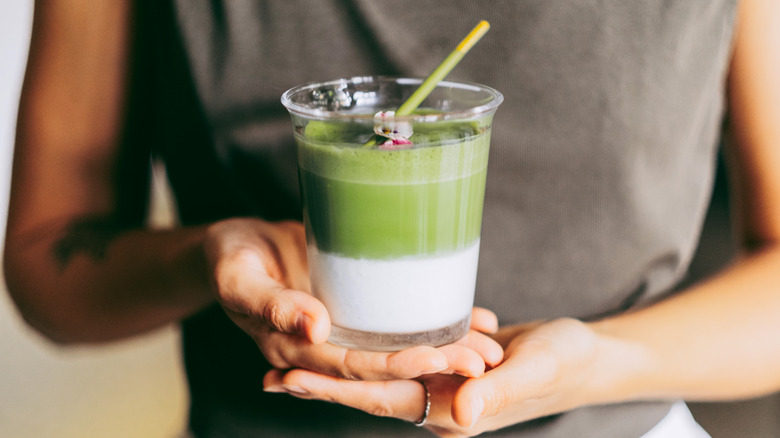
The science of shaking versus whisking is worth understanding. A bamboo chasen dissolves clumps as it aerates, suspending microscopic bubbles in the liquid that give matcha its signature creaminess and a gentler mouthfeel. A bottle can mimic that process by relying on turbulence: As the liquid slams against the container walls, it disperses the powder and traps some air. Too violent, though, and you risk bitter over-extraction; matcha is delicate, and excessive agitation can exaggerate its astringency. And make sure you don't stir, because the tea leaf-particles won't ever just dissolve.
Shaking also changes the performance of the powder depending on its quality. Higher-grade ceremonial matcha, with its natural sweetness and buttery texture, will taste smoother even with a quick shake, while lower-grade culinary matcha might lean grassy or sharp without the balancing froth of a whisk. If you're using the shake-n-sip hack, opt for the best powder you have because it will be more flavorful.
Shaking may not have the meditative quality of whisking in a quiet tatami-lined tea room, but it does continue a centuries-long tradition of adapting tea rituals to the moment. Matcha was once the sacred practice of Zen monks, then of samurai, then of tea houses, and now it has become more widely available. Purists may cringe at the image of someone pounding matcha in a plastic tumbler, but the priority is accessibility. Matcha has been a sacred tea for centuries, but it also fits into a morning routine where speed and caffeine are the priority out over ceremony.