

These States Have Made It Illegal To Throw Food Away
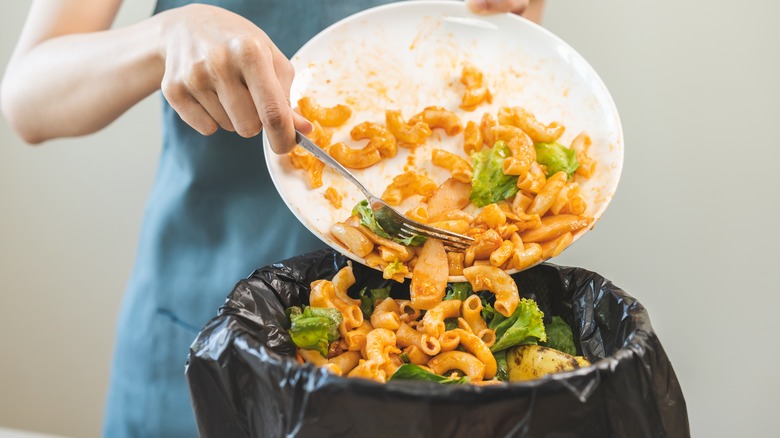
If you want a behavior to change, you change the rules. We've seen it work with tobacco taxes and retail display bans, so we know that when the policy shifts, habits follow and public-health metrics move. Food waste is getting the same treatment. Five pioneer states now restrict tossing food into landfills in one form or another: California, Connecticut, Massachusetts, Rhode Island, and Vermont. There's a moral element, but the goal is climate math. Food rotting in landfills is a methane problem, and methane is a fast-acting greenhouse gas. The EPA's latest accounting attributes the majority of fugitive landfill methane to decomposing food, which is why legislators are focusing on organics.
The approaches vary, with Vermont using the bluntest tool: Since July 1, 2020, it has had a universal landfill ban on food scraps for residents and businesses alike, with town drop-offs, haulers, and backyard composting as the off-ramps. California uses a mandate model, with SB 1383 requiring every jurisdiction to provide organics collection and setting statewide targets: 75% less organic waste to landfills by 2025 and recovery of at least 20% of still-edible surplus food. Enforcement runs primarily through cities and counties, which can fine repeat non-compliance. Massachusetts bans disposal by big generators and tightened its threshold in 2022; Connecticut lowered its tonnage trigger to bring more businesses into scope and is phasing in schools, and Rhode Island's rules cover large producers and, increasingly, educational institutions, with distance-to-facility requirements. Different tools, same intent: Keep food out of landfills and put it to better use.
Rescue, recover, reuse
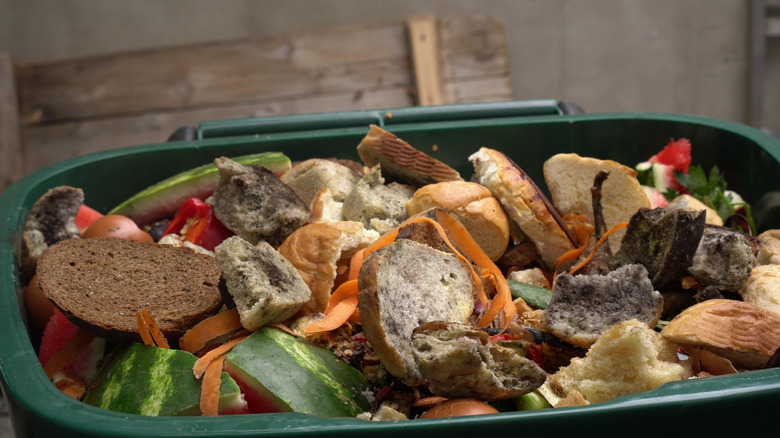
It seems that food surplus is getting eaten, and not just because people are discovering dishes that originated as ways to use leftovers; they're also donating edible excess food. The Bill Emerson Good Samaritan Food Donation Act and a 2023 update broadened protections to include direct donations and "Good Samaritan price" sales, removing a big fear barrier for restaurants and grocers, too. For instance, when places like McDonald's have to deal with leftover food, they may have previously only donated specially prepared meals, not leftovers. Pair that with the permanent enhanced tax deduction for donated food inventory, and you get a practical reason to move product to people instead of bins.
Large generators are increasingly required to have written agreements with food-recovery orgs and to keep records of what they donate. Some jurisdictions even say you cannot intentionally spoil recoverable food. Distance and scale guardrails are also installed. For example, Rhode Island triggers school diversion and donation duties only when an institution produces enough organic waste and is close to a processor, so logistics pencil out. The result is a push toward prevention and donation.
Individuals and companies can also learn to compost at home to turn scraps into soil amendments. This process creates biogas energy and a fertilizer-like digestate, and states are using policy to grow that infrastructure. After tightening its commercial threshold, Massachusetts reports a larger organics sector and continued diversion gains. Vermont offers a different lever: pay-as-you-throw pricing that makes trash cost reflect volume or weight, which encourages households to separate scraps. The EPA's latest analysis found that 61% of methane generated by landfilled food isn't captured. Early signals show the systems working: Vermont's food rescue network reported big upticks in recovered food after the ban, and statewide analyses estimate roughly half of food scraps are now diverted.
Policy only matters if food moves
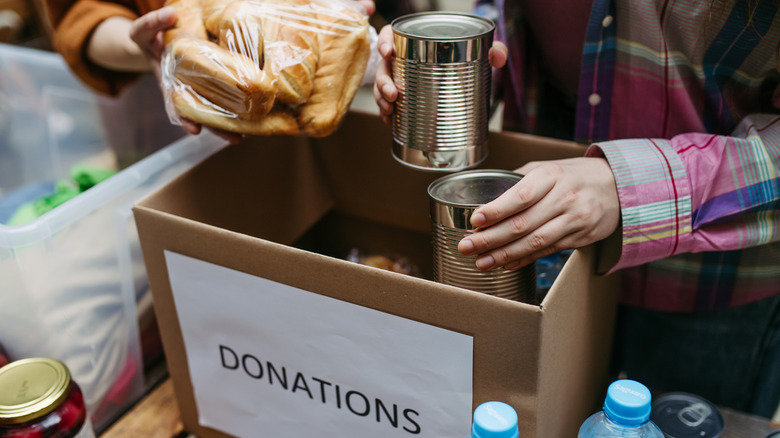
In California, local programs reported 217,042 tons of edible food recovered in 2023, already 94% of the 2025 target set under SB 1383. Massachusetts shows the infrastructure side: since tightening its commercial ban, annual diversion climbed to 380,000 tons in 2023, with the number of sites getting separate organics collection rising from 1,350 (2014) to 3,120 (2023) as a full organics industry took shape. Those are statewide systems doing practical work, week after week.
In big cities, rescue networks turn policy into meals. City Harvest has moved over one billion pounds of surplus food across New York City since its founding, including 78.8 million pounds in FY2024 alone.On the West Coast, Food Forward reported 94 million pounds of recovered produce in 2024 and estimates avoided emissions of around 83,000 metric tons of carbon dioxide equivalent per year from that flow. Schools and students play a part too. The USDA explicitly encourages share tables, where unopened items are set out for other students, served later the same day, or donated under program rules.
The EPA's updated Wasted Food Scale prioritizes prevention and donation first, then routes scraps to feeding animals, composting, or anaerobic digestion. Digesters co-process food waste with manure to make biogas energy and a fertilizer-like digestate; farm-based projects in the Northeast have shown how supermarket scraps and dairy operations can be paired to produce power and steady farm revenue. Several states now require large educational institutions to divert organics when they generate enough volume and are within a set radius of a processor, with donation expectations for unserved food baked into the statutes. Rescued food feeds people, and unavoidable scraps become inputs for soil and energy instead of methane in a landfill.