

Are Garden-Grown Tomatoes Really Cheaper? We Did The Math
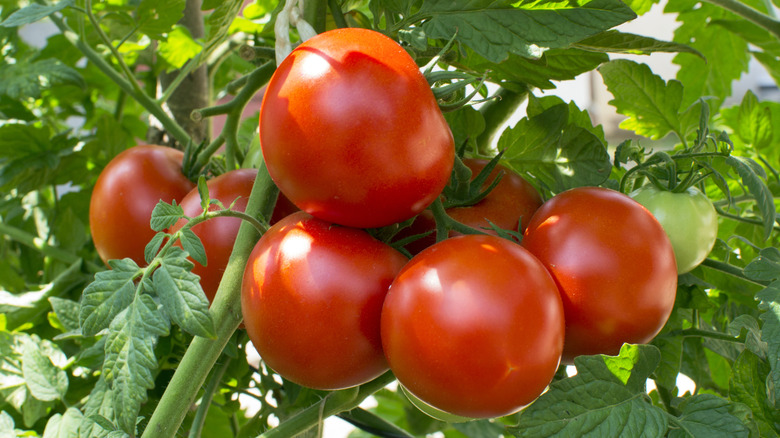
Trying to do the math around the actual value of the produce from your garden is never easy. Not only does it mean tracking all of your expenses — and potentially trying to put a value on the time you spend on this hobby — but you also have to plug in the ever-changing value of the fruits and vegetables found at the grocery store. To some extent, trying to figure out if you are actually saving money on the tomatoes from your backyard garden is beside the point. It's about connecting with the real-world cycle of food and getting in touch with the earth. But, if you really need to bring this back to numbers, we put together some figures for you — and they are very pro-gardening.
The actual production rate of your tomato plants will have a lot to do with what variety you choose and how well you care for your plants. But if you pick a high-producing small tomato plant and employ some tomato-gardening hacks, you can get around 100 grape or cherry tomatoes off of a single plant in a season. The average cherry tomato weighs about an ounce, so we're talking roughly 6 pounds of tomatoes off one productive plant. If you figure that 10 ounces of organic grape tomatoes runs about $4, that's $6.40 per pound. So, each of those tomato plants is putting out over $38 worth of tomatoes each season. As long as your total costs for seeds, soil, fertilizer, and all other gardening accoutrements run under $38 — which should be easy to accomplish — you're making money.
Gardening has high up-front costs
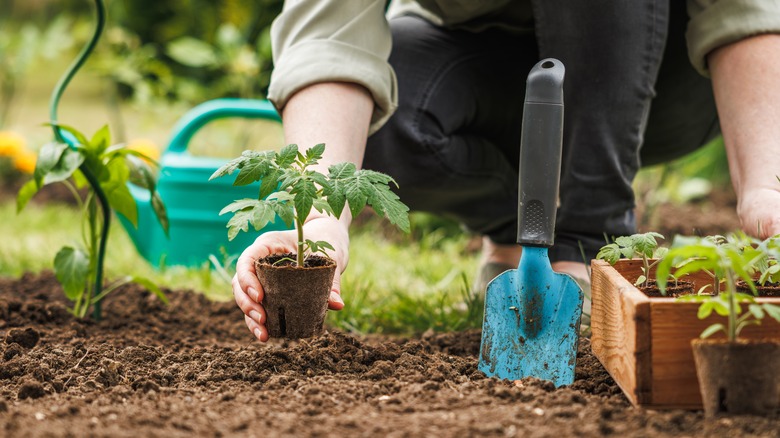
The real struggle with calculating the costs of your garden's production is figuring out the value over time. Sure, your first season, when you are building your raised beds, filling them with purchased soil and compost, and growing your tomatoes from plants that you buy at the store, the cost per tomato is going to be a bit high. But all of these costs go down over time. The following year, when the beds are already built, the soil has been amended with the gifts of your home composting setup, and you are growing your tomatoes from seedlings, the costs will be much reduced. At that point, you are basically just paying for seeds and water, as well as a bit of your time.
But if you really want to maximize the value of your return, we do have some tips. For starters, it helps to know your tomato types. A good knowledge of the different varieties of tomatoes will allow you to shoot for something with a high production rate, such as grape or cherry tomatoes, or something with a large price tag, like a lovely heirloom tomato. You can also boost the sweetness of your tomato harvest with a little bit of baking soda added to the soil. It might not give you more tomatoes, but it will bring your harvest to farmer's market quality. Beyond that, all you really need to do is avoid the common tomato-growing mistakes, such as over-crowding or skipping pruning, and your harvest will surely be bountiful.