

8 Expert Tips For Baking With Miso
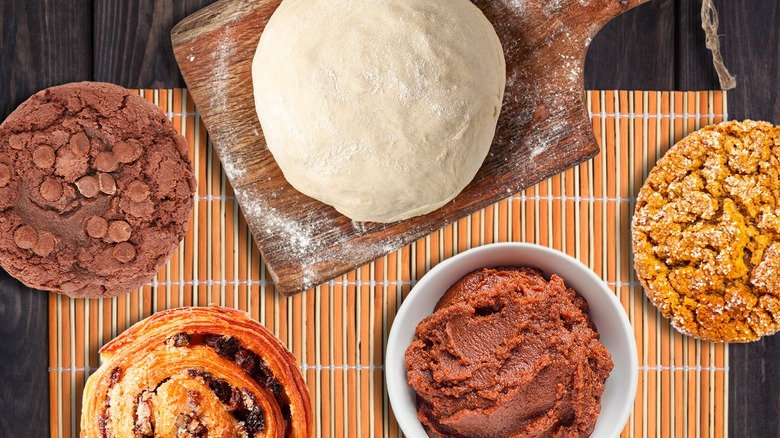
Miso might have first come on your radar as a soup starter at your favorite sushi spot, but the fermented paste offers far more versatility in the kitchen, with plenty of creative uses. From adding depth and an umami taste to stews and savory preparations, to enhancing your baked goods in unique ways, miso is an unexpected superstar ingredient. That said, the fermented soybean paste can have a pretty pungent taste, so it's worth having a plan in mind before simply stirring it into a cookie batter. When done right, the rich flavor elevates and complements a range of ingredients, leading to a result that is far greater than the sum of its parts.
To set you on the right path in your miso exploration, we spoke to pastry chefs and recipe developers for recommendations on ways to ensure your baked creation is a successful treat, rather than a flop. Miso is naturally quite salty and can easily ruin the balance of a carefully crafted baked good. With stellar advice to accompany your next baking session, you'll be ready to experiment with miso in a variety of new and exciting ways.
Consider the type of miso to use
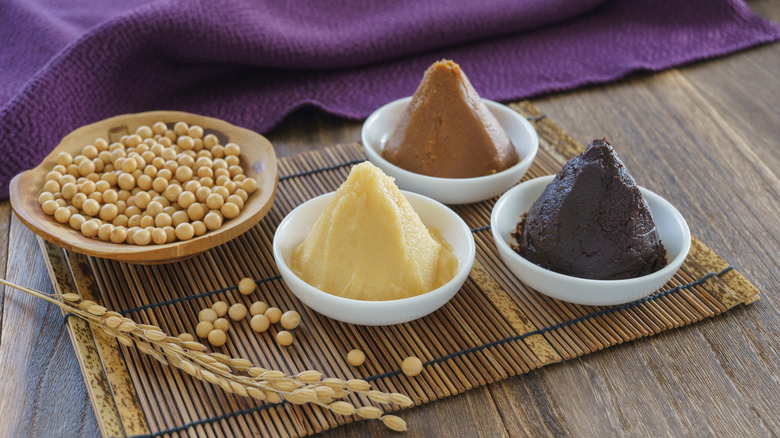
Miso differs based on its ingredients and the duration of the fermentation, meaning the flavor can vary. If you're getting started, consider three basic types of miso: white, yellow, and red. White miso, aka shiro, is the mildest and most common, usually made with soy, rice, and barley, resulting in a nutty flavor with subtle sweetness. Yellow miso (shinshu) is a bit bolder and saltier, making it less ideal for initial experimentation. Finally, red miso contains similar components but is typically aged up to several years, creating a far more pronounced taste.
Naturally, the various types of miso are better suited for certain purposes, though personal preference plays a role. For example, Natsume Aoi, Executive Pastry Chef at Postcard Bakery in New York, is a fan of red or hatcho miso (the latter made with only soybeans). "These varieties have a rich, deep umami that brings incredible depth and warmth to baked goods. They're bold without overpowering and add a subtle complexity that's hard to beat," Aoi says.
Meanwhile, Lindsay Beck, Executive Pastry Chef at CAMP Modern American Eatery in Greenville, South Carolina, notes, "For someone just getting into incorporating their desserts with miso, I strongly recommend white or shiro miso." She cites the milder flavor and lower salt content, adding that it's "a little easier to balance the flavor." Both Cambrea Gordon, pastry chef and recipe developer of Cambrea Bakes, and Riccardo Menicucci, Executive Pastry Chef at the Four Seasons in Los Angeles, concur.
Look to complementary ingredients
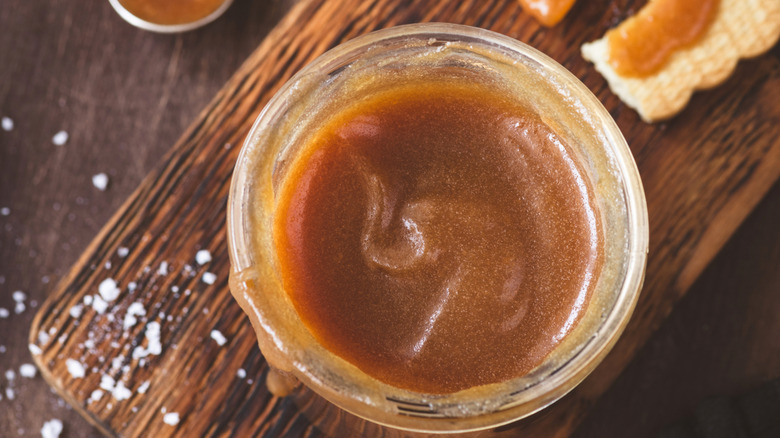
Considering its bold and recognizable taste, miso can't be paired with just anything. The intense flavor and salty profile can quickly mask subtler flavors, throwing off the balance of a dish or making it too one-note. That said, paired with the right ingredients, it plays off other flavors, enhancing them and tying everything together.
Cambrea Gordon leans toward a few ingredients in particular when baking with miso: "Caramel, brown butter, chocolate, and nuts or nut butters are my favorite pairings because their rich flavors complement the salty, umami flavor of miso." Similarly, Lindsay Beck notes, "Flavors that work well and that I use most often include caramel, chocolate, apples, peanut butter, sesame, maple, and spices like cinnamon and ginger." Natsume Aoi points out, "The saltiness of miso enhances the chocolate's richness," and adds, "It's this balance of savory and sweet that creates the unexpected flavor hits that I love to present."
Start with savory baked goods
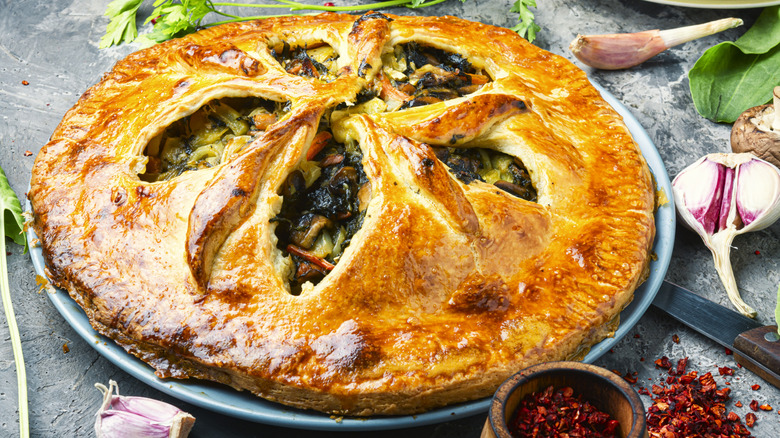
If you're not used to the idea of adding a salty ingredient to your favorite sweet treat, then it might be worth starting with a savory option. Baked goods are often associated with desserts, but there are plenty of flaky pastries made with cheese, vegetables, and even meat that could benefit from some miso paste. By working your way from more familiar flavor profiles toward novel ones, your taste buds may be more receptive to miso and its nuances.
Riccardo Menicucci comments, "I love using miso in savory dishes — it pairs beautifully with earthy mushrooms, meats like chicken or pork, and vegetables such as spinach." He also recommends adding miso to savory pie fillings, so consider using it in a puff pastry hand pie to begin experimenting with the subtleties of the different types. Additionally, you might choose to pair the paste with a cheese scone or savory muffin recipe, before working your way toward a sweet baked good.
Balance out the salt in your recipe
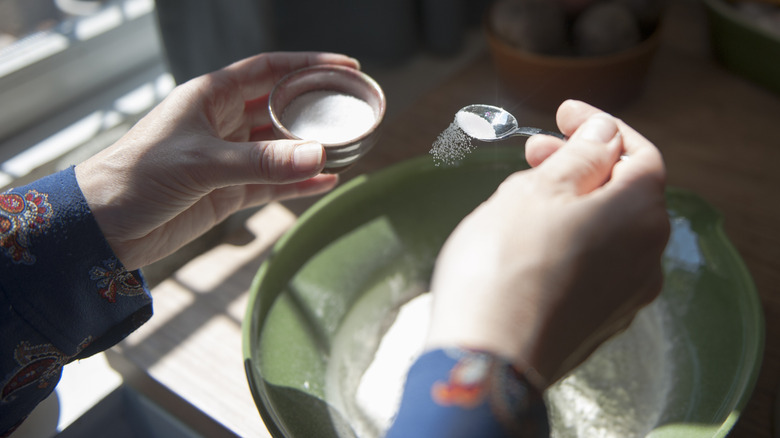
Perhaps the most important thing to know about baking with miso is that the paste is salty. Although white miso isn't as salty as yellow or red varieties, it is still significantly saltier than, say, salted butter, meaning you need to be mindful of how much salt you add to the rest of the recipe. Miso can quickly throw the other flavors out of balance, and salt is often the primary culprit. "Balancing the salt levels is key to getting that perfect harmony of savory and sweet," Natsume Aoi notes.
Much like a sprinkling of flaky salt brings out the sweetness of caramel, mastering the equilibrium of the contrasting tastes leads to successful results. In fact, Lindsay Beck says, "When I make a miso caramel, I completely eliminate any salt added but it still gives you a 'salted caramel' flavor profile but with more umami notes." Pretty much all of the pastry chefs we spoke to advised against adding salt too, or suggested significantly reducing the amount if miso is in the picture. Recipes don't usually call for large amounts of miso since the taste is concentrated, so it can be added without too many modifications, as long as you account for the intense saltiness.
Experiment a little at a time
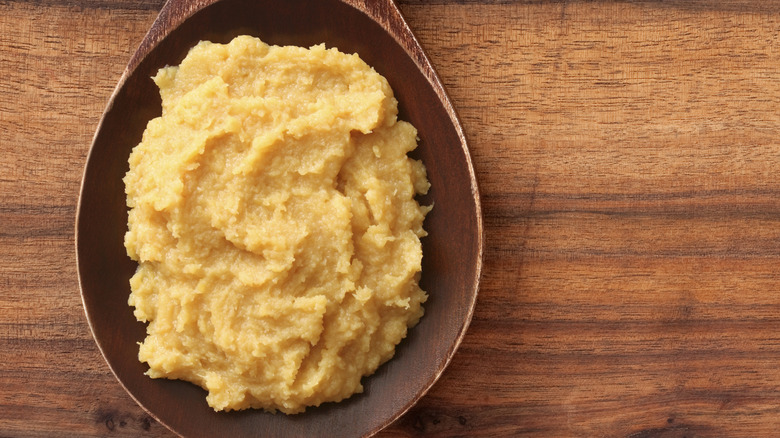
Considering miso has a way of coming in strong, it's helpful to introduce it slowly. Aside from allowing you to determine how you like to pair it, using just a little at a time improves your chances of success. Miso paste can be more or less wet, which in turn can affect the final texture of your baked good. While some recipes have a bit more leeway, others require specific ratios of wet and dry ingredients. As Natsume Aoi notes, "Depending on the miso's moisture level, sometimes you'll want to tweak dry ingredients slightly to keep the texture just right."
To try it out, Lindsay Beck suggests adding 1 to 2 tablespoons per cup of flour in treats like chocolate chip cookies, muffins, and cakes, which is small enough not to require modification beyond using less salt. "But when you start doing more than that then I would start reducing the butter by an equal amount," she says and explains, "Baking is a science with all ingredients serving a specific function to achieve the right texture, volume, and flavor."
Lindsey Baruch, content creator and recipe developer behind Lindsey Eats, also suggests adding it to breads, glazes (like in her brown butter and miso cinnamon babka recipe), and frostings, to "enhance sweetness while adding a unique savory note." For a fun twist on sweet and salty flavors, try it in homemade caramel, per Cambrea Gordon's recommendation, or enhance a chocolatey brownie batter.
Be careful not to overpower delicate flavors
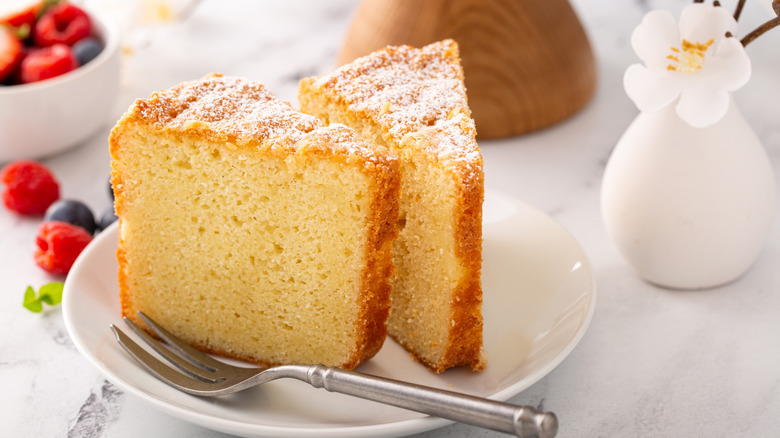
Miso rarely goes incognito, unless you're using a tablespoon or so in your entire batter. All of the pastry chefs we spoke to emphasized the importance of finding balance when adding it to baked goods. Lindsay Beck explains that bringing the sweet and salty components together requires bridging a gap. "Really sweet flavors, citrus, and floral ingredients could become disjointed and throw off that balance. Vanilla also is not an ingredient I would waste when pairing with miso, as it is not a strong enough flavor to be able to stand against it," she explains.
Cambrea Gordon agrees and points out, "I would avoid adding miso to recipes where the flavor is more delicate, like vanilla cakes, unless you're wanting that complex contrast in flavors." In that case, it might be more appropriate to make a miso caramel or whipped cream to serve as a garnish. Meanwhile, Beck suggests incorporating part miso part nut butter into a cookie recipe, as nut butters carry enough weight to avoid being overtaken by the potency of miso. Unless you're all about the intensity, Riccardo Menicucci advises, "I also recommend steering clear of dark or red miso for baking, as their intense flavors can overwhelm more delicate baked goods."
Make sure to properly blend in the miso
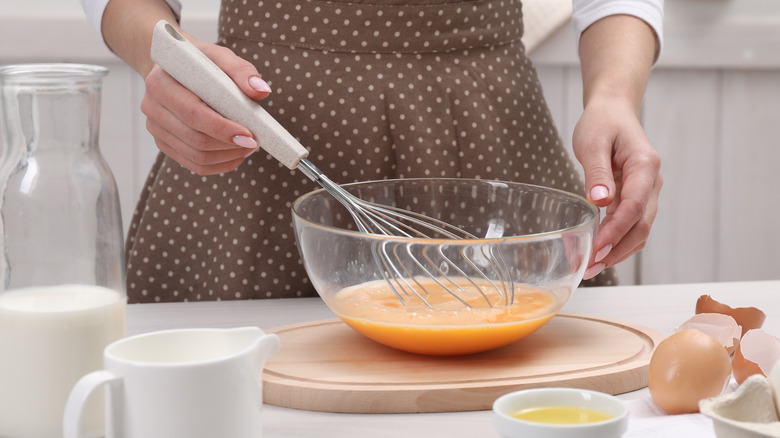
Being a paste, miso needs a bit of whisking to incorporate well into other wet ingredients. Similar in texture to slightly softened butter, the easiest method is to mix it right in with butter, fats, or other wet ingredients. "It would be best to add it with the butter or oil in a recipe (during the creaming process if the recipe calls for it or simply whisking it in if not) to ensure it is evenly dispersed," Lindsay Beck specifies.
Unlike butter, which is sometimes desirable scattered in little pockets throughout a pastry dough, for example, a burst of miso paste will seriously throw off your sweet palate. By whisking it in with the wet ingredients or creaming it with the butter and sugar, it can achieve what it does best. As Lindsey Baruch describes, "It adds a layer of umami that can help balance out sweet flavors and bring them out further."
Remember that moderation is key
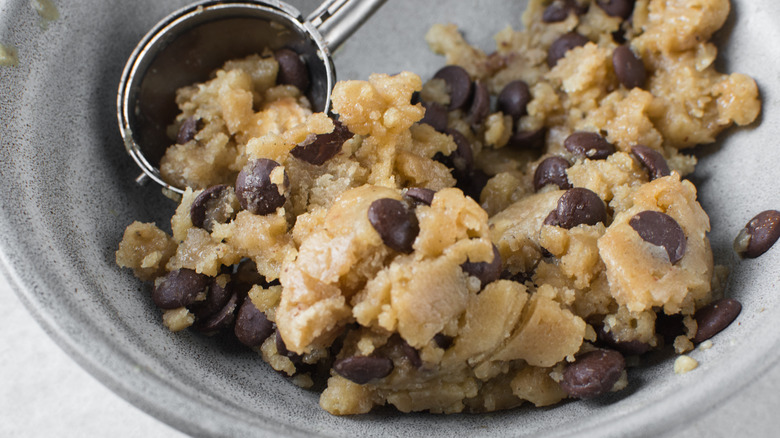
If you forget everything about baking with miso, the key piece of advice to note is that moderation is important. All of the pastry chefs who offered tips were clear about this, noting that the saltiness and bold flavor are ideal in balanced doses. As Natsume Aoi warns, "The biggest mistake is overdoing it; too much miso can take over the flavor and make baked goods taste more savory than sweet."
There's a fine line between enhancing complexity and bringing an umami character to a dessert, versus overpowering anything else it had going on. Set yourself up for success by following a recipe for baked goods that already incorporates miso, or using 1 to 2 tablespoons in a simple cookie dough to start. In subtle amounts, it infuses depth, character, and a rich umami taste to your treats. Too much and your guests will think you mixed up your ingredients list!