

What Makes Matcha So Expensive
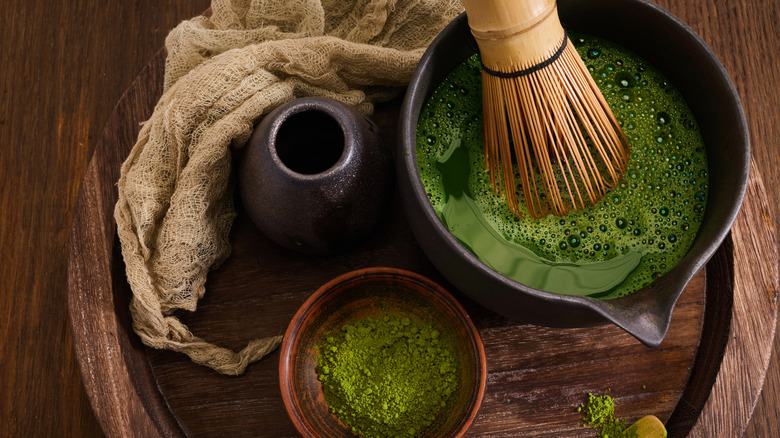
If you're aware that matcha is a type of green tea, you're probably wondering why it's so much more expensive than other varieties. Of the three types of matcha, top-tier ceremonial grade runs upwards of $45 per ounce, and even the most affordable matcha for cooking can cost around $6 per ounce. Compared with regular green tea, which costs around $2.50 per ounce, matcha is considerably pricier.
You might be tempted to think it's all marketing, but there are quite a few reasons that matcha will always cost more. The first is the relative scarcity. While other types of green tea are grown in regions around the world, the plants from which matcha is sourced are only grown in certain areas of Japan with a specific terrain.
You may find more affordable matcha that has been grown outside of Japan, but it is not always subject to the same quality controls. Cheaper matcha might be harvested by machine instead of being hand-picked, graded, and manually separated. Finally, unlike other green teas, matcha is ground into a powder before sale and use. This is a very time-consuming process that also adds to the cost of production.
How matcha is produced
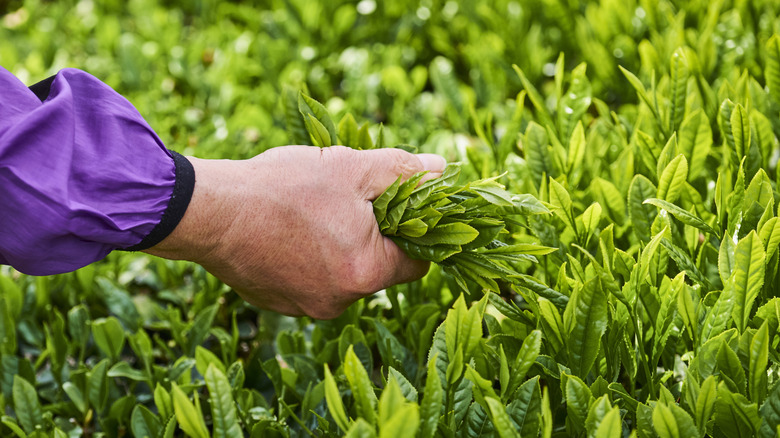
If you're wondering how much you should be spending on matcha, it depends on what you are looking for. Though prices will vary by brand and retailer, you're generally getting what you pay for. If you're considering buying matcha with a bargain price tag, be aware that it probably won't offer the same level of quality or taste. Matcha is generally sorted into three grades — ceremonial, premium, or culinary, and only the first two are intended for drinking.
Ceremonial-grade matcha is considered the highest quality. It's taken from the smallest leaves of the most shaded plants during the first harvest, making it both more scarce and labor-intensive. The color should be a deep green, and the flavor is mellow and sweet, making it perfect for enjoying as pure matcha tea.
Premium or daily matcha offers the best balance of price and flavor. It can be picked from the first or second harvest, and may be a combination of both. While still smooth in taste, it has more grassiness to it that pairs well with milk and sweeteners. Try it as a DIY matcha latte or in a tropical matcha mocktail.
Culinary matcha, as the name suggests, is intended for cooking and can be used in many unexpected matcha dishes. It is harvested from older leaves, which can have a bitter taste, and is not ground into as fine a powder as other grades. These characteristics lend texture and balance flavors in recipes like matcha muffins.