

10 Mistakes To Avoid When Making Shrimp Cocktail

Shrimp cocktail may seem like an especially simple dish, but making a really good shrimp cocktail can be a lot trickier than it seems. In fact, there are many mistakes that home cooks frequently make when it comes to making their own shrimp cocktail from scratch. But don't be discouraged — you don't have to go buy a plastic-packed frozen set of shrimp with an icy plastic container of cocktail sauce from your local grocery store. By avoiding the most common of these mistakes, you can ensure that your shrimp cocktail comes out perfectly every single time.
That's why we talked to some shrimp cocktail experts to learn about the mistakes they make all too often — and figure out how to avoid them. We spoke to Joe Bowab, founder and CEO of Lobster Anywhere; Sue Zemanick, chef and owner of Zasu in New Orleans; Sophina Uong, chef and owner of Mister Mao, also in New Orleans; Josh Gadsden, executive chef of High Cotton in Charleston, South Carolina; and Chef Matthew Bishop, executive banquets chef of Pechanga Resort Casino, all of whom gave us some insight on how to avoid any major shrimp cocktail mistakes the next time we make the dish at home.
1. Throwing frozen shrimp directly into boiling water
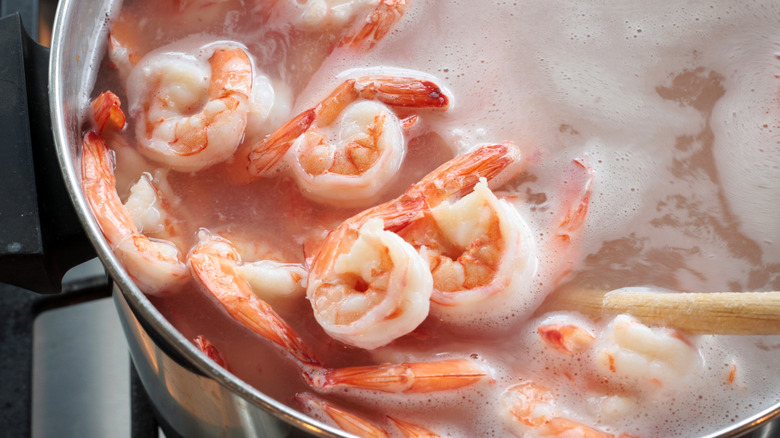
When you get shrimp cocktail at your favorite restaurant, the shrimp probably has an ideal texture to it, with enough of that chewy bounciness that makes shrimp so interesting. But if you've noticed that your shrimp tends to get rubbery when you cook it at home, you're not alone. It turns out, that rubbery texture is likely coming from the way you cook your shrimp, according to Joe Bowab of Lobster Anywhere. "Most people throw raw shrimp straight into boiling water, which seizes the proteins instantly and creates that rubbery texture everyone hates," he explains.
Instead of throwing that frozen shrimp directly into boiling water, Bowab says that you should "start your shrimp in cold court bouillon and gradually heat to 155 to 170 degrees Fahrenheit." Doing so, he says, "gives you incredibly tender shrimp with that perfect 'snap.'" For shrimp cooked to perfection, you may want to use a thermometer to get that water temperature just right. Even if you don't have a thermometer you can use at home, though, starting your shrimp in cold bouillon just may fix those texture problems you may have encountered in the past.
2. Using peeled and deveined shrimp
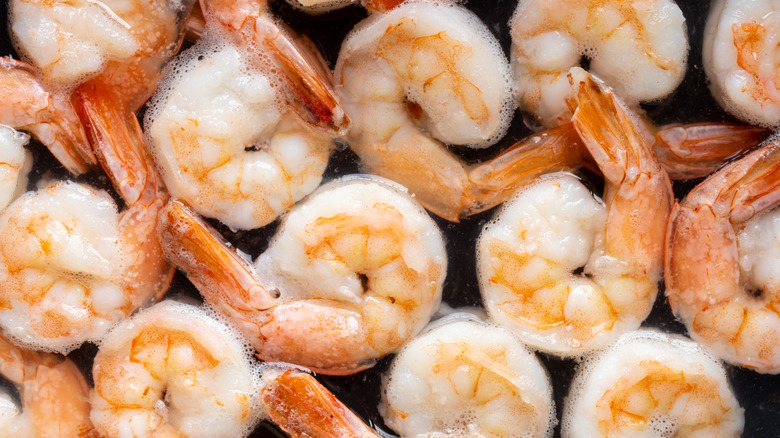
We get it: Using shrimp that's already been peeled and deveined makes for a much easier shrimp cocktail-making process. Peeling shrimp isn't always fun, and some home cooks may be grossed out by actually having to devein their own shrimp. But believe us when we say that going the extra mile to peel and devein the shrimp pays dividends in both flavor and texture. Why? Because you're allowing them to cook in the shell, which locks in moisture that makes the shrimp as tender as possible.
That's probably why Sue Zemanick of NOLA's Zasu told us that one of the biggest mistakes you could make with shrimp cocktail is using already-peeled and deveined shrimp. "Cooking [the shrimp] in the shell is how you intensify the flavor." So, the next time you're at the grocery store or fish market, be sure to pick up shell-on shrimp. Once you dip a plump, flavorful shrimp into the perfect homemade cocktail sauce and taste your creation, you'll realize why taking the extra time to peel your shrimp is so, so worth it.
3. Using shrimp that are too small
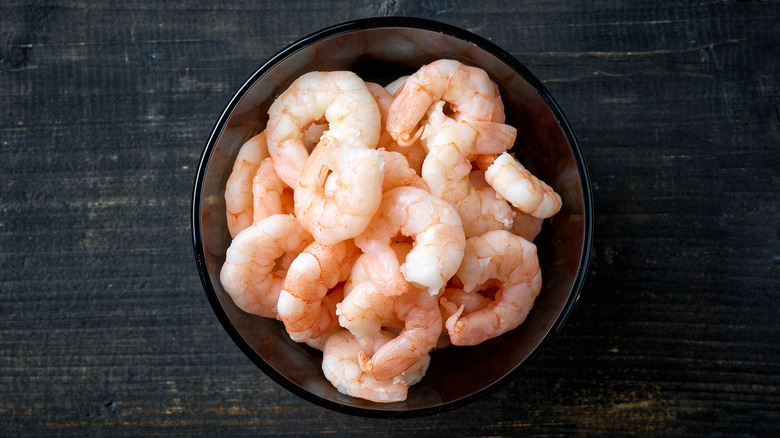
Those tiny little shrimp you see in the frozen seafood section of your local grocery store may look cute, but they're not ideal if you're planning on making shrimp cocktail. Use those tiny shrimp to make a salad or a stir fry, but for the best results, you'll want to stick with slightly larger types of shrimp when you're tackling your next shrimp cocktail recipe.
Joe Bowab says that choosing the right type of shrimp is important when it comes to this dish. "Those tiny shrimp cook so fast you'll miss the window every time," he explains, highlighting the fact that it's super easy to overcook tiny shrimp. So, what size shrimp should you get instead? According to Bowab, you should "Stick with jumbo (16 to 20 count) or extra-large (21 to 25 count), much more forgiving and impressive." Plus, there's nothing like biting into an especially big, plump, cold shrimp and savoring every last bite.
4. Peeling the shrimp too soon
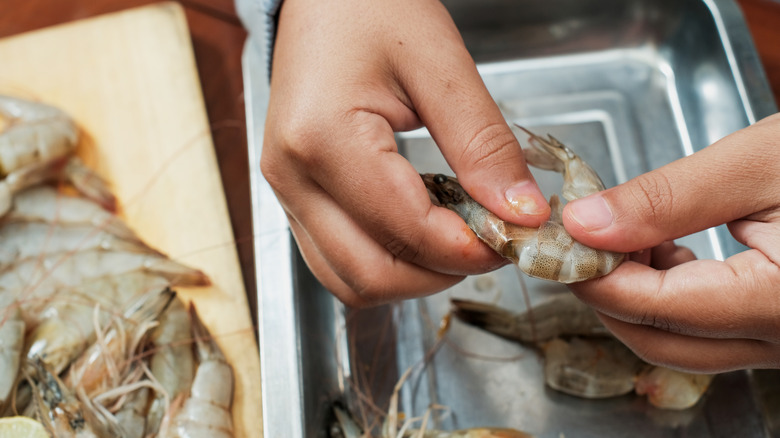
So, you already know that you should be using shell-in shrimp. But if you haven't done much shrimp-peeling before, you may not know how to do it to maximize the flavor and juiciness you're getting in your shrimp. As we've indicated before — and as Joe Bowab instructs — "cook with shells on." This is because, according to Bowab, "but that thin fat layer between shell and meat is flavor gold."
When you take your shrimp out of the boiling water, though, they're going to be extremely hot. Peeling them at this point could be tricky and potentially cause burns if you're not careful. This is why Bowab instructs us to "peel after chilling." That way, you can ensure that you're getting the most flavorful possible shrimp and that you won't burn your hands when you're finally removing that shell layer. This may mean allowing your shrimp to chill down in the fridge for a while before prepping and serving, but we think it's worth the extra few minutes of wait time.
5. Not using enough horseradish for the sauce
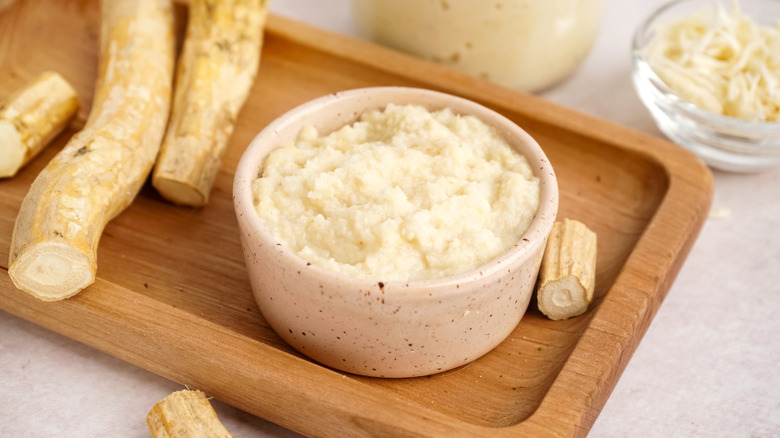
Cooking the shrimp is probably the most difficult part of making shrimp cocktail, but there are mistakes you can make with the sauce as well. And since poached or boiled shrimp is pretty plain on its own, this is a recipe in which the sauce really, really matters. A typical cocktail sauce recipe calls for ketchup, first and foremost, which may lead you to assume that it's the most important ingredient in the mix. In reality, though, ketchup's sweetness needs to be tempered by the fiery, delicious heat of horseradish. In fact, we consider not adding enough horseradish to your cocktail sauce to be a huge mistake.
Horseradish is what gives cocktail sauce its bold kick that makes you want to go back for another scoop. Sure, lemon juice and Worcestershire sauce play an important role as well, but it's the intensity of the horseradish sauce that really makes this sauce shine. Keep tasting your cocktail sauce as you stir all the ingredients together. If you're not getting a bit of a burn from that horseradish, you probably haven't added enough.
6. Serving the shrimp too cold
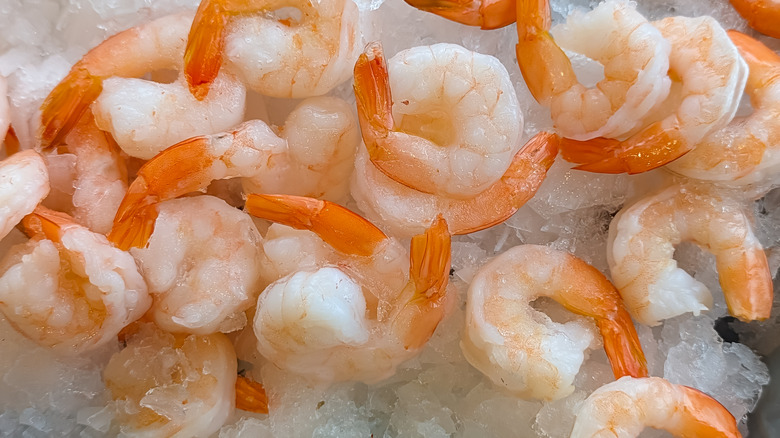
Shrimp cocktail is a dish that's famously served cold, making it ideal for hot days when you're looking for an appetizer (or a full meal) that will cool you down and combat the heat. But just because it's a dish you serve cold doesn't mean it something you should serve super cold, especially if you're really trying to highlight the flavor of the shrimp itself. Sure, you'll probably want to chill the shrimp after it comes out of the pot, which may involve putting it in the fridge, but according to Joe Bowab, you shouldn't leave it there for long.
"This might surprise you," he told us, "but shrimp cocktail should be served at cellar temperature (50 to 55 degrees Fahrenheit), not straight from the fridge." Therefore, before it's actually time to serve the shrimp cocktail, take the shrimp out of the fridge so their temperature rises slightly. "When it's too cold, you lose all that natural sweetness," leaving you with a less flavorful bite. Cold but not too cold is key.
7. Forgetting to season the poaching liquid
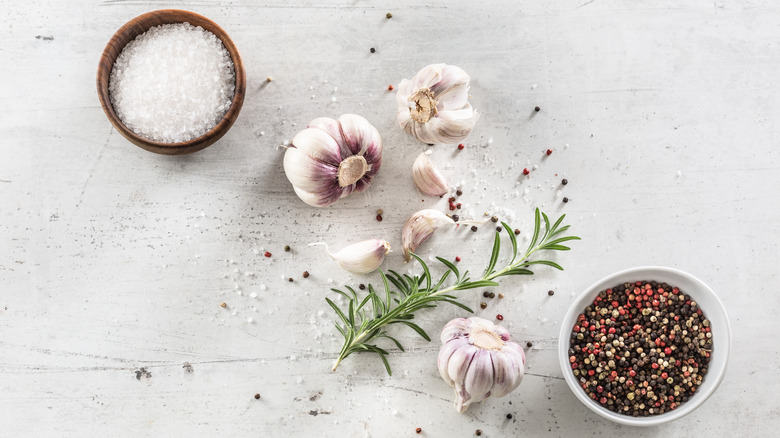
You may assume that all the flavor in shrimp cocktail comes from either the sauce or the plain flavor of the shrimp itself. But there is a way you can infuse your shrimp with even more flavor before you ever dip it into the sauce. It all starts with making sure the water you're poaching the shrimp in is as flavorful as it can be. "You want the water to taste like flavorful seawater," says Chef Matthew Bishop. This means you're going to be adding a lot of salt to the water. If you're questioning whether you added too much salt, you're probably getting it right.
But it doesn't end with salt alone. Bishop says that aromatics can make delicious additions to your poaching liquid as well. "The fun part is the seasonings are entirely your preference and you can make them whichever way you want," he explains. Although shrimp cocktail generally follows a super simple, prescribed recipe, this is somewhere you can actually do some experimenting. Once you start adding more flavor to your poaching liquid, you'll never want to go back to shrimp boiled in plain water again.
8. Overcooking or overseasoning the shrimp
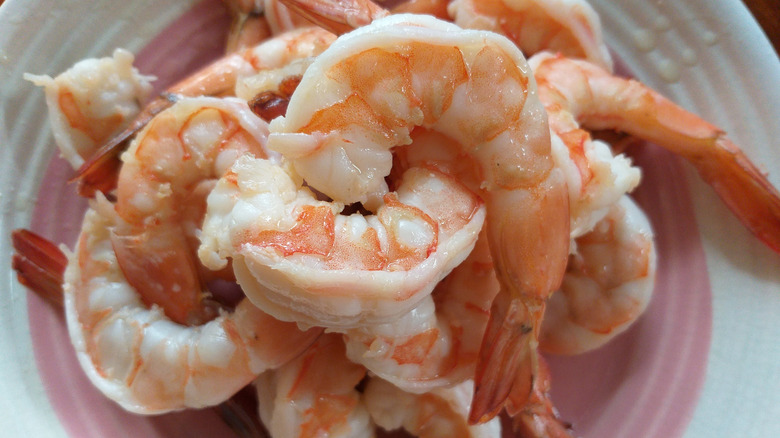
If you've cooked shrimp before, you know that it's really easy to mess up the texture if you don't get the timing right. Not cooking your shrimp for long enough can give it a mushy texture, and raw or undercooked shrimp isn't a super safe food choice when it comes to avoiding foodborne illnesses. On the other hand, overcooking your shrimp can lead to an unfortunate, rubbery texture. That's why Chef Josh Gadsden of High Cotton says that one of the biggest mistakes home cooks can make with shrimp cocktail is overcooking their shrimp.
But you can go overboard in more than one way when it comes to making shrimp cocktail. Just like you're not going to want to overcook the shrimp, you're not going to want to overseason it either, according to Gadsden. You shouldn't be coating it in so many spices that you're distracted from the flavor of the sauce, after all. Go light on the spice for the best results.
9. Not making your own cocktail sauce from scratch
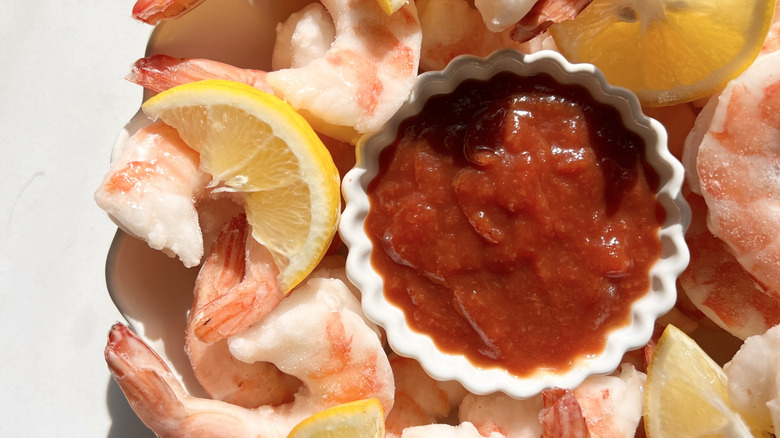
Can you buy jarred cocktail sauce at the grocery store? Of course! And when you're especially pinched for time, it might make sense to complete your shrimp cocktail spread. But let's be honest: Making cocktail sauce from scratch doesn't take much time at all, and as long as you have all the ingredients you need on hand, it's exceptionally easy to throw together. Plus, making it fresh is going to mean it's going to taste a lot better. You can control how acidic you want to make it, how much salt and pepper to add, and the ketchup-to-horseradish ratio.
And when you really think about it, how often are you really eating shrimp cocktail? If you're not eating it on the regular (or serving really large batches of it when you do), you're probably not going to get through all of that jarred cocktail sauce before it goes bad. On the other hand, you can always use the individual ingredients you need for homemade cocktail sauce for a slew of other recipes and purposes. When you take every factor into consideration, it almost always makes sense to make your own cocktail sauce from scratch instead of buying a jarred version.
10. Buying shrimp from unethical producers

Shrimp is the number one consumed type of seafood in the U.S., so it's safe to say that as a country, we eat a lot of the stuff. It makes sense — with its neutral flavor, it's probably one of the easiest types of seafood to enjoy, even if you don't like anything that tastes too fishy. But all too often, shrimp isn't produced very ethically. In some parts of the world, mangroves have been removed to make way for shrimp farming. Those mangroves, though, protect the land they grow on — and the people who call those places home. In Thailand and nearby, the people farming shrimp are often enslaved, and sometimes are even children. Shrimp can be a deeply unethically produced product, and as lovers of shrimp cocktail, we have a duty to make sure that we're sourcing our shrimp as ethically as possible. Chef Sophina Uong of Mister Mao says that one of the biggest mistakes home cooks can make with shrimp cocktail is "buying shrimp from producers with unethical practices that contain lots of iodine."
So, how can you buy more ethical shrimp? Check out producers under Monterey Bay Aquarium's Seafood Watch "best choice" category, or eat wild Atlantic Coast or Gulf shrimp over imported varieties.