

The Umami-Packed Shellfish That More People Should Be Putting In Tacos
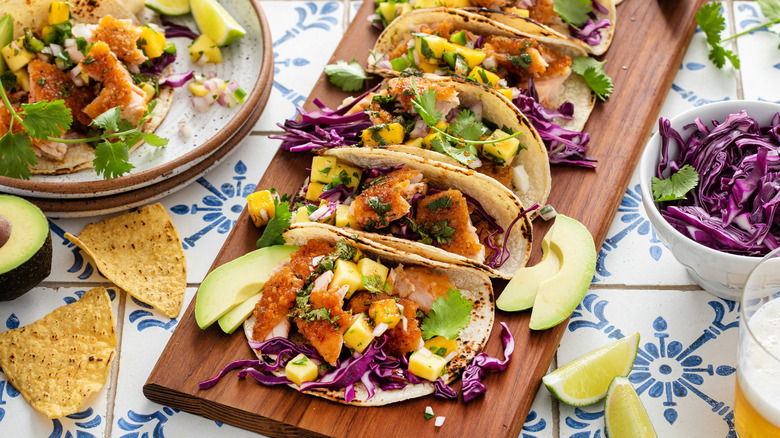
In the U.S., tacos often get funneled into a narrow spectrum: carnitas, fish, and occasionally, mushroom or jackfruit. But in Mexico, the world of tacos is much broader. Along coastlines and city markets alike, you'll find tacos filled with everything from marlin and beef brain to squash blossoms and crispy pig skin. Tacos are defined by resourcefulness and the ability to transform what's available into something delicious. Tucked into a warm tortilla, fried oysters offer the same structural pleasure as fish or shrimp, but with deeper minerality and a soft, almost buttery bite.
While fried oysters aren't a traditional taco filling in most Mexican regions, they make sense. Like many different types of seafood tacos, they offer brine and richness. Similar to tacos de tripa or carnitas, they rely on the contrast of fried edges and tender centers — a soft, salty, yet crispy bite that pairs well with acidic garnishes, spicy sauces, and herbs. Oyster tacos might not be the most traditional or well-known taco filling, but that's starting to change, as chefs and home cooks alike experiment with shellfish in places beyond the raw bar.
It helps that oysters take well to batter and heat, keeping their umami punch without going rubbery. For anyone looking to break out of a fish taco rut, this is the move. Oysters taste indulgent, but they're also surprisingly lean, rich in protein, zinc, and B12, yet low in fat and under 50 calories per serving. They're also one of the most environmentally efficient foods on the planet, filtering seawater as they grow, without needing feed or fertilizer. They're one of the healthiest and most sustainable proteins in the seafood chain. Paired with a citrus slaw, a smoky salsa, or a smear of chili mayo, they make a lot of sense in a taco.
No shucking around: fried oyster taco basics
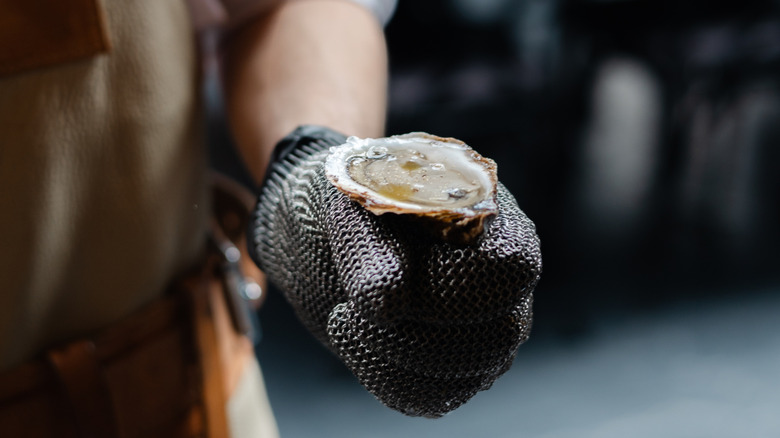
Getting oysters taco-ready doesn't require a deep fryer or chef credentials, just a hot pan and a good dredge. If you know how to shuck, go ahead; otherwise, pre-shucked oysters are fine — some fish markets will shuck them for you. You want to make sure your oysters are the freshest possible, medium-sized, and not too big. Rinse and pat them dry before dredging. A buttermilk soak is optional, but it gives you better adhesion if you're using a seasoned cornmeal or flour dredge. Fry hot and fast until the crust is golden and the inside stays tender.
Once the oysters are crisped, treat them gently. Nestle them into warm tortillas (not too many per taco or you'll lose the texture) and add elements that contrast without overpowering. Á la fish tacos, shredded cabbage or pickled sugar-free red onions are great. So is a citrusy crema or salsa with some bite from minced spicy peppers. Don't skip the acid; it's what makes everything snap into place and balances the richness of the oysters. And if you want to lean into the coastal mood, try some thin slices of avocado or a garnish of fresh herbs.
Tacos have always been shaped by migration, trade, and local ingenuity; what's in them depends as much on the cooks as on the place. In coastal regions, it's not unusual to see everything from sea urchin to octopus folded up into tortillas, each taco reflecting the daily catch and the flavors of the surrounding waters. Fried oysters slip right into this tradition of letting what's fresh and available inspire what's for dinner. With their crispy coating, briny depth, and affinity for bold garnishes, fried oysters offer a new way to taste both the sea and the history of the taco.