

The US State That Eats The Most Butter

When it comes to butter consumption, one state churns richly ahead of the rest. Is it the dairy-loving heartland of Wisconsin? Or maybe a Southern state with a taste for the comfort of buttered biscuits? Perhaps it's Vermont, where farm-fresh butter is a source of pride? According to 2021 data from Axios, West Virginia leads the nation in butter consumption in the U.S. at 10.7 oz per capita. This Appalachian region is no stranger to hearty, comforting food traditions, and butter has long been a key player in that culinary identity.
Butter saturates West Virginia staple dishes like flaky biscuits dripping golden richness, fragrantly sweet-savory cornbread, and sautéed collard greens glazed in melted butter. It's a key ingredient in the region's food identity: simple, hearty, and satisfying. The state's penchant for butter aligns with its distinction as the nation's leader in hot dog consumption, as well as the competitive title of number one consumer of fast food, all evidence that West Virginia embraces the comforting flavors of Americana without apology.
This preference reflects broader regional foodways, where butter elevates everyday meals and ties communities to tradition. It's woven into daily routines of gathering and comfort. From Sunday suppers where stories are swapped over butter-brushed pepperoni rolls to church potlucks where everyone knows the casserole will be rich and familiar. Here, butter's in everything because it's part of a culinary language that speaks of care and endurance; Appalachia's food traditions are shaped by its geography, isolation, and tough economic history, and its food culture values sustenance, preservation, and making the most of available resources. Staples like corn, beans, wild greens, and pork define the cuisine, all of which taste better with butter.
Buttered up down the holler
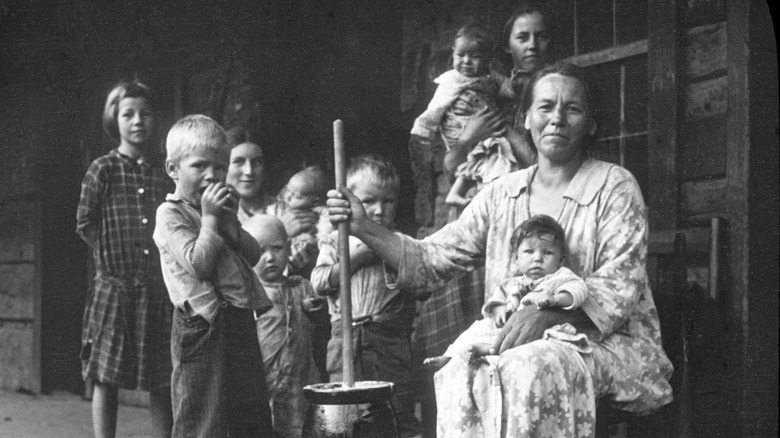
Historically, butter was a prized homemade product in Appalachian households, churned fresh and celebrated as a sign of good living. That tradition endures, even as commercial butter dominates the shelves of today's stores. It's so deeply embedded that many recipes call for generous pats without measuring spoons in sight. The state's rugged terrain and farming history have fostered a cuisine focused on hearty, filling food that would fuel long days. Butter's role in this was practical as well as delicious: it added calories and flavor to otherwise simple dishes, making them memorable and sustaining during long days of hard work.
Beyond meals, butter is a social connector, spread across the aforementioned Sunday dinners, church potlucks, and holiday feasts, where buttery casseroles and rolls anchor the table. In recent years, a growing movement of Appalachian chefs and home cooks has revived traditional practices (such as churning butter), blending heritage and farm-to-table economics with modern culinary creativity and sensitivity to cultural preservation.
Butter's role goes far beyond spreading on toast. Its milk fat delivers richness and moisture that oils can't match, giving tender pastries their flakiness and sauces their silky shine. In baking, butter's presence means moist cakes and rich cookies. On the stovetop, it emulsifies sauces and deepens the caramelization on butter-basted meats. If you want to appreciate butter West Virginia-style, try classic butter-basted fried potatoes. Dice potatoes and cook them slowly in generous pats of butter, letting them crisp and brown while soaking in the rich flavor. Finish with a sprinkle of flaky salt and fresh herbs for a simple, hearty side that captures the region's love of butter.