

This Fragrant, Underrated Herb Works Wonders For Deterring Kitchen Pests

There's never a good time or place for kitchen pests. Truly, nothing ruins a good meal quicker than unwanted guests. Bug traps and sprays are not always kitchen-friendly, but fear not. Among the absolute best hacks to keep bugs out of your kitchen are a wide variety of food-safe approaches. While you might consider herbs as strictly garnishes and flavorings for your food, these helpful greens can actually work as naturally occurring pesticides, the most versatile of which is the humble lemon balm plant.
In addition to being one of the ideal herbs to grow for a cozy indoor tea garden, this fragrant and oft-overlooked ingredient has a number of uses in your kitchen. Lemon balm contains the citronellal compound, which acts as a repellent for a variety of insects that you might find around your kitchen. The lemon scent and taste of this handy herb are effective at keeping bugs away while you cook. Additionally, these inexpensive plants are simple to grow and maintain and can also provide an excellent lift to many of your favorite dishes.
Part of the mint family, lemon balm is an herb characterized by its citrusy smell and taste. There are a few effective methods to use lemon balm to keep kitchen pests at bay. The simplest is to keep a small, potted lemon balm plant on your kitchen counter. Additionally, you can mix up the crushed herb leaves into a solution with witch hazel and water for an effective room spray.
Other uses for lemon balm
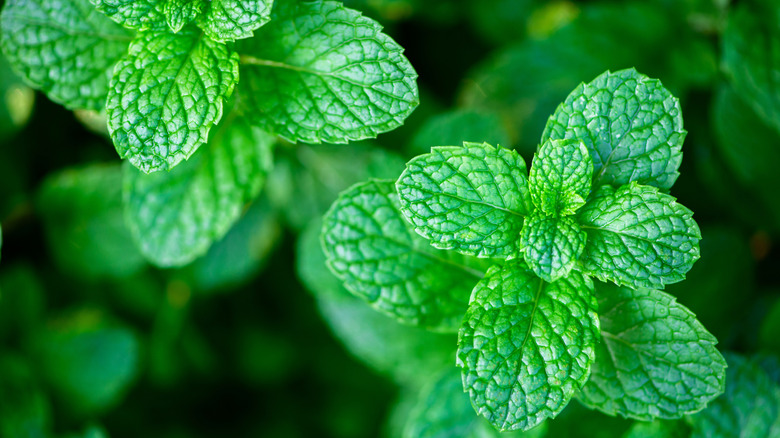
If you've already got fresh lemon balm around your kitchen, it's the perfect reason to explore this herb's many different uses. Outside of its utility as a natural pesticide, lemon balm makes a great substitute for hard-to-find bergamot. A delightful ingredient in tea, lemon balm can also be used in just about any recipe that calls for a fragrant herbal addition. Many dishes, such as roast chicken, can certainly benefit from this herb. You can also make a dazzling simple syrup for use in cocktails, mocktails, and more.
Thinking of the herb as a citrusy cousin to mint will surely inspire a few clever additions to your favorite food and drink, including plucking a few leaves to muddle in a glass of freshly brewed iced tea, chopping it up and adding it to the batter for a lemon cake, and even infusing honey or vinegar for later use. Try using it in an herb-rich pesto sauce to dress your favorite pasta or sprinkling the leaves over a seasonal fruit salad.
When it comes to keeping away kitchen pests, it's important that your methods be natural and safe. Lemon balm checks these boxes both as an effective natural bug repellent and an underutilized herb that you'll find yourself quickly adding to your regular meal rotation. Once you've had a taste of lemon balm, you'll understand why pests detest it and foodies love it.