

Don't Skip This Crucial Step When Growing Tomatoes From Seedlings
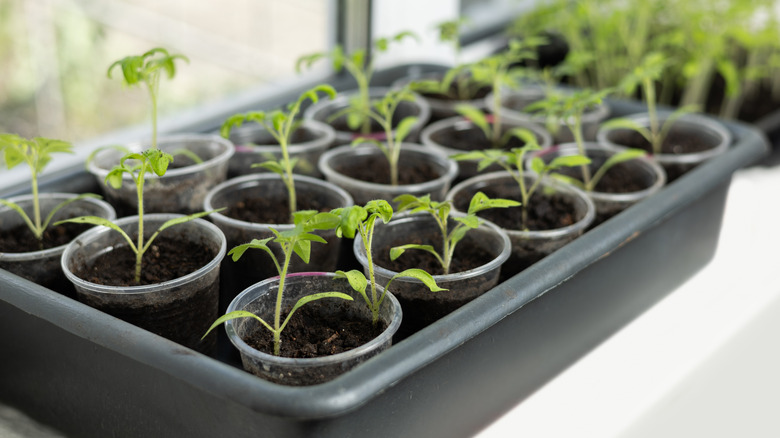
Growing tomatoes from seeds can be rewarding, but if you do not have a lot of experience, it is a good idea to do some research before you begin. There are a lot of great tomato-growing tips and hacks you can use to increase the chances of success from seed to fruit. If you are a beginner, following all of these steps might seem overwhelming, but you will get a big payout at the end (in the form of lush, juicy tomatoes). There is one step in particular that you will not want to bypass in your tomato-growing journey — wind.
Sure, it is best to start your seedlings inside. You can germinate your seeds in old takeout containers or egg cartons. However, once they sprout, you will need to expose them to wind. That might sound strange, but when you move your plants outside, one of the first hardships they will have to overcome is a breeze or strong wind. If your plants don't experience that inside, they will not grow hardy stems to protect them from breaking or toppling over in the wind when outside. You can strengthen your plants' stems and prepare them for the challenges of the outside world by exposing them to gentle breezes in your home as they grow. Point a mini fan at them for a few hours a day, lightly brush them with your hands each time you water them, or fan them with a paper plate or magazine. You do not need to go overboard — they aren't preparing for life at sea — but you should make sure they get exposed to some wind once they have sprouted.
Choosing the best tomato seeds to sprout
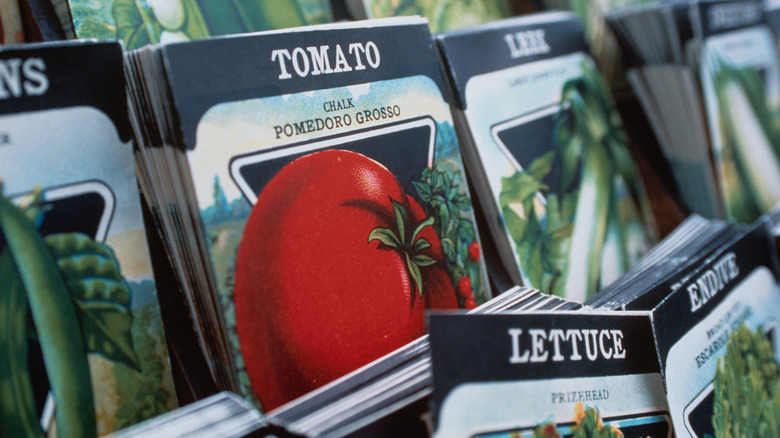
When you plant tomatoes from seed, you have a lot more control over the different tomato varieties you grow, and it will be less expensive than buying plants from a nursery. However, it's easy to make mistakes when growing tomatoes from seed for the first time. Do not be discouraged if you encounter a lot of trial and error. Start by deciding what types of tomato seeds you want to plant. You can ask for advice at your local nursery, or explore recommendations on local gardening blogs or on social media. Look at the United States Department of Agriculture plant hardiness zone map and choose varieties that will thrive in your zone. You should also consider your growing environment, skill level, how much space you have, and how you will use the tomatoes. Order or buy your seeds by February or March so that you have time to sprout them and transfer them outdoors after the last frost.
If you are saving seeds from an existing plant, choose an heirloom tomato, not a hybrid. Remove the seeds from the tomato and put them in a jar of water for a few days until you see a glob of clear gel appear in the water or a white film on the top of the water. Then rinse the seeds, air dry them on a paper towel or napkin, and put them in a paper envelope labeled with the type and variety of seed. Keep the envelope in a cool, dark, dry place until you are ready to plant the seeds.