

If You're New To Gluten-Free Baking, Here's The First Thing To Avoid
We may receive a commission on purchases made from links.
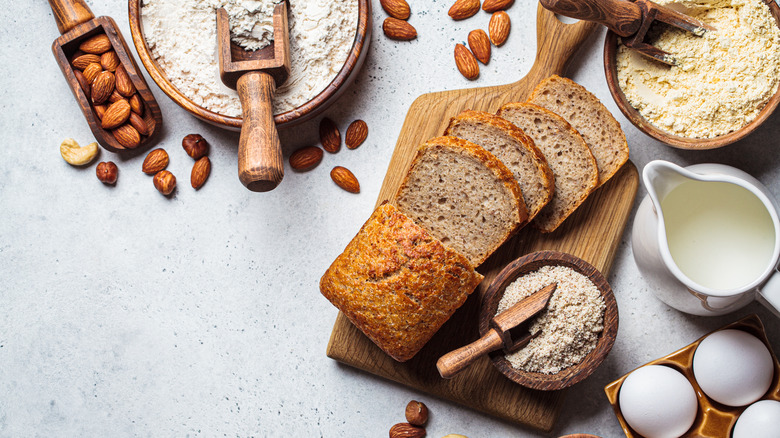
If you can't eat foods containing gluten, baking will take some extra effort. Because most packaged and homemade baked goods are traditionally made with ingredients containing gluten — like the versatile all-purpose flour — you'll want to be extra careful in the kitchen if you're trying your hand at baking something gluten-free. As with many dietary sensitivities or restrictions, it's easy to make mistakes in gluten-free baking. One of the most important precautions you can take in this situation is to avoid do-it-yourself recipes — aka using a recipe you found online or in a cookbook that isn't gluten-free and guessing the best way to make it gluten-free. This is because not all gluten-free ingredients can work in a recipe not designed for them.
Whether you have celiac disease, have a loved one with an allergy, or you simply choose not to eat foods containing it, gluten can sometimes be hard to avoid. Without learning to skillfully read nutrition and ingredient labels or identify brands and products that are reliably gluten-free, it's easy to accidentally make a purchase that can put your health or another person's health at risk. Baking at home, especially, can present more of this risk because we tend to reach for things we know we already have on hand when we're making homemade cookies or trying our hand at a new fresh-baked sourdough recipe. If you're new to gluten-free baking, avoiding DIY methods is a great way to ensure that anyone enjoying your baked treats tastes only the love you made it with — sans gluten.
Why you shouldn't DIY when you're baking something gluten-free
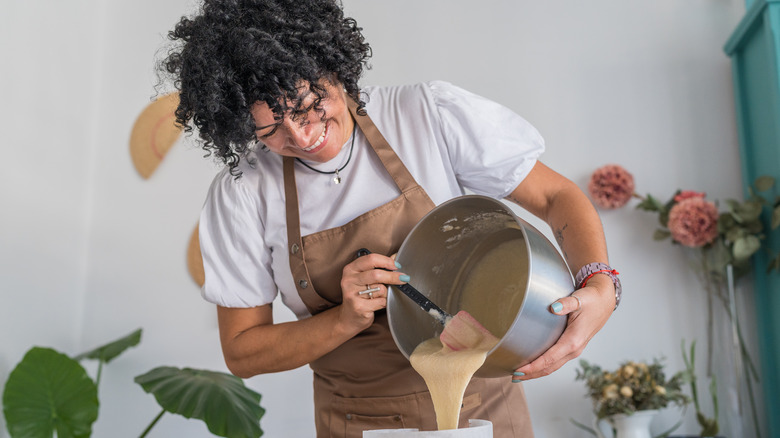
If you're a gluten-free baking beginner, you may not be aware that gluten-free ingredients designed for baking are often not one-to-one in comparison to those that contain gluten. The required measurements for many products required to bake a normal cake or loaf of bread won't always equal those of their gluten-free versions, so you should always find a gluten-free recipe rather than freestyling your own.
Another complication might come when adding toppings like chocolate chips or crumbles on a gluten-free coffee cake. You may be tempted to buy whatever is on sale or choose a brand you typically enjoy when you're baking something gluten-free, but if someone eats it who has celiac disease, even foods that only come into contact with gluten can trigger an autoimmune response. Products like Enjoy Life Dark Chocolate Morsels, however, are specifically made in a factory where gluten is not used, so you can bake with more peace of mind. This brand and similar ones can often be found in grocery stores. Rather than DIYing your recipe or grocery list before baking, make sure to check every label on the ingredients you plan to use — some will contain a warning that the item may have some gluten cross-contamination and therefore should be avoided by people with a serious gluten intolerance.
Baking without gluten doesn't need to be difficult. Follow recipes that are specifically designed to be gluten-free. If you're short on time or want a little more guidance before diving into measuring everything yourself, a pre-made gluten-free mix like the Miss Jones Gluten-Free Chocolate Cookie Mix can be a great way to get started.