

Why Some Cakes Taste Better After Aging Them For A Day Or 2
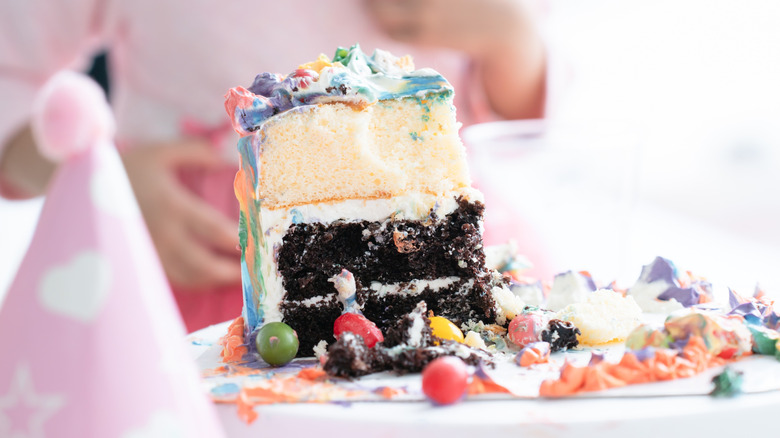
We mostly picture a cake's peak moment with candles blazing, everyone singing, and the first perfect slice handed around. But ask any true cake head and they'll tell you: There's a pleasure eating a secret midnight slice or helpfully finishing up the leftovers for breakfast with a fresh cup of coffee. Those day-or-two-old bites taste even better than day-of, but why do some cakes hit their stride after a little rest?
Some cakes develop richer flavor and an even more tender crumb after a short rest. "It's like cake develops their character overnight," explains Joy Wilson, professional baker and cookbook author, known as Joy the Baker. "The moisture redistributes, the crumb relaxes, and the flavors deepen and meld." Rather than going stale, the best cakes seem to find their sweet spot after a day or two, if you can keep them around that long.
Starches in the cake continue to absorb moisture from the air and the filling or frosting, making the crumb feel more cohesive and less crumbly. Fat and sugar both migrate slowly, mellowing sharp notes and intensifying subtle ones. This chemical shift is why the first slice sometimes feels less flavorful than the leftovers, especially with deeply spiced or rich chocolate cakes, or cakes with curd, jam or syrup in their layers. Instead of seeing cake as a one-night-only event, it's possible to think of the moment you pull it out of the oven as the beginning, not the finish.
Let them eat day old cake
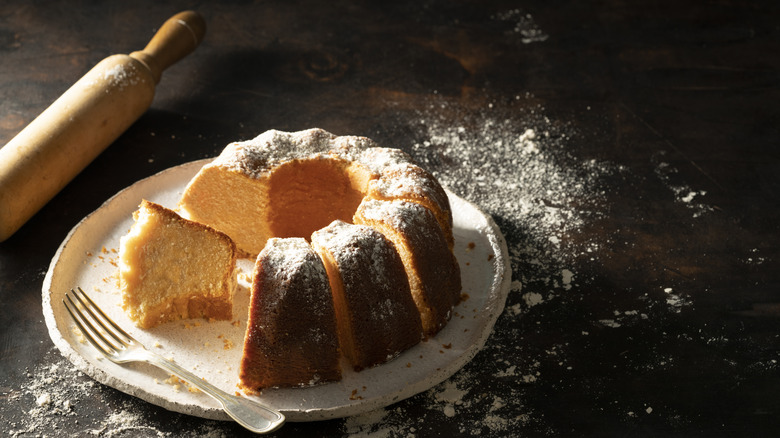
"Dense, moist cakes like chocolate cake, pound cake, spice cake, and fruit-based cakes (hello, banana bread) age beautifully," Wilson says. These cakes have enough moisture and fat to prevent drying out and enough flavor complexity to deepen over time. The aging process makes their texture even silkier, while flavors like cocoa, cinnamon, or banana become more pronounced.
But, not every cake improves with a little rest. "Whipped sponge cakes or angel food? Not so much," Wilson cautions. "They're best fresh, before they dry out or deflate." Delicate cakes —like the aforementioned angel food cake as well as others like genoise, or orange chiffon — don't hold up as well. Airy cakes rely on their structure and lightness; as they sit, they lose volume and can turn rubbery or stale. If your cake's main appeal is its billowy texture, it's best enjoyed the day it's made. But for almost everything else, especially cakes with nuts, dried fruit, or a dense crumb, an overnight rest on the counter can be the finishing touch.
Aging gracefully is a cakewalk

If you want to let a cake mellow and mature, a little care in storage makes a big difference. "Room temp is ideal," Wilson says, "just make sure it's well wrapped and out of reach of snacky humans." Plastic wrap, foil, or an airtight cake dome will keep moisture in and staleness out. "If it's a dairy-forward cake or you live somewhere steamy, the fridge is safer," she advises. "But always let refrigerated cakes come to room temp before serving." Cold temperatures can firm up fats and dull flavors, so an hour on the counter will restore the right texture and taste.
For longer storage, freezing works well for most sturdy cakes; just wrap tightly and thaw at room temperature. If you're aging a frosted cake, keep in mind that buttercreams and ganaches tend to fare better than whipped cream or cream cheese frostings. With the right handling, your day-old cake can taste like it was made for the occasion, maybe sometimes even better than fresh.