

The Reason Canned Water Hasn't Caught On Like Bottled Water
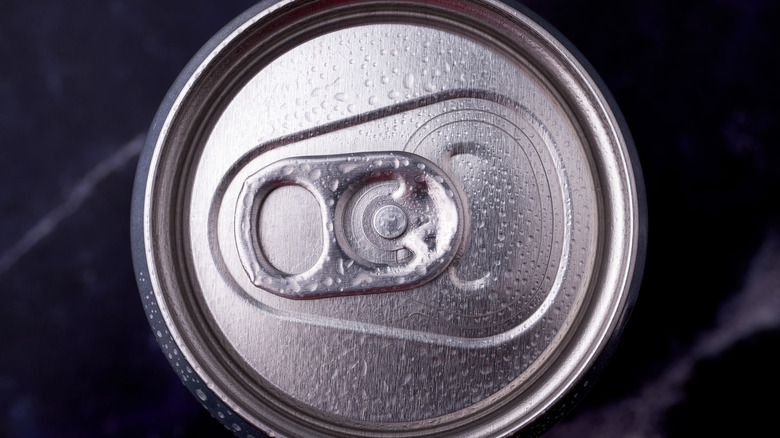
When canned water first hit the market, it seemed like a simple solution to a complicated problem. Aluminum cans, with their familiar cold touch and modern designs, positioned themselves as the next step for eco-conscious hydration: Less plastic meant more planet-friendly, right? Brands like Liquid Death sold a narrative of sustainability and ironic rebellion, with a heavy-metal emphasis on influencer and music festival type marketing. Fast-forward a few years, and the beverage aisle is still a sea of plastic bottles and canned water remains a novelty, not the norm.
Why hasn't canned water caught on? Start with the carbon math: Making aluminum cans is actually more energy-intensive than most people realize. The process of mining, refining, and manufacturing the metal into cans is incredibly energy-intensive. Each can comes with its own hidden carbon footprint, an even bigger one, in fact, than most plastic bottles in terms of greenhouse gas emissions. Even though aluminum is technically easier to recycle, U.S. recycling rates hover below 50%, so most still go to landfill.
Then there's the fact that aluminum cans aren't actually just metal. The majority (as well as reusable aluminum bottles) are still lined with a thin layer of a type of plastic called epoxy resin to keep the water from picking up a metallic taste or corroding the can. Whole most are now made without harmful BPA, that plastic liner is still there, made of slightly less infamous but still unappetizing chemicals. This is standard across the industry and not unique to water cans, and it's even true for boxed beverages and beer cans. What it does mean is if you think you've sidestepped plastic with canned water, think again.
Time to can the pour choices
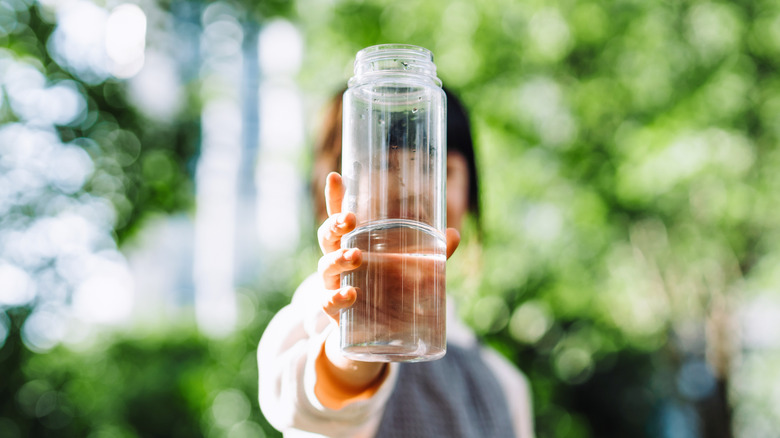
On top of all that, the canned design isn't especially convenient for water. While a few canned waters come with resealable screw-tops, most are standard pop-tops, meaning a single-session commitment that's awkward for anyone trying to hydrate more continuously or on the go.
All this focus on packaging also misses the bigger picture: Swapping plastic for aluminum is just rearranging deck chairs on the Titanic. Both canned and bottled water are single-use products that require vast amounts of energy, water, and raw materials to produce, transport, and eventually dispose of. Greener packaging is, in many ways, just the latest marketing tactic to soothe consumer guilt without changing the underlying math of waste. Every bottle or can you buy new means more resources used and more trash generated, no matter how you spinfluence it.
That's why, for all the buzz, the most sustainable way to drink water is still the oldest: Use a reusable bottle, fill it up, and skip the single-use drama entirely. No aluminum, no PET plastic, GHG emissions associated with every sip, no need for recycling rates or wishful thinking; just your own water bottle, used again and again on rinse and repeat. Canned water hasn't caught on like bottled water because it isn't more convenient and it doesn't solve the core problem. It's still a disposable item in a culture built around convenience. Until that changes, all the clever packaging in the world is just window dressing. If you want to really be green, bring your own bottle.