

This Savvy Business Idea Helped See's Candies Survive The Great Depression
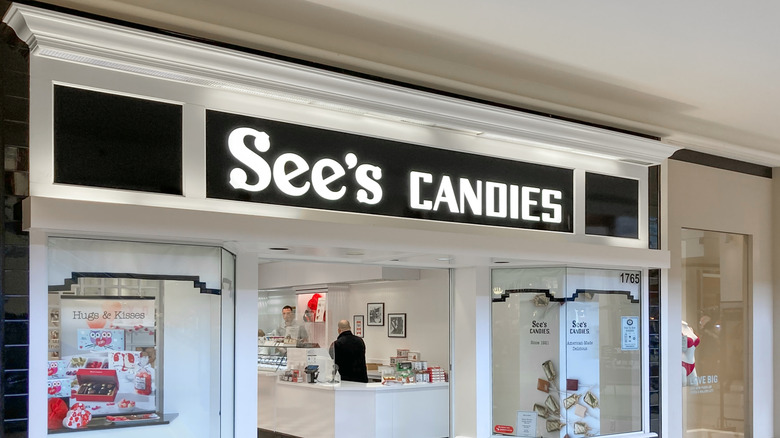
If you have ever received a box of chocolates from your boss as a holiday gift or token of appreciation, you might have See's Candies to thank. See's Candies, the famous chocolate shop featured in an iconic episode of "I Love Lucy," was first opened in California in 1921 by Charles See. It sold homemade candy from recipes developed by his mother, Mary See. By 1925, the company had expanded to almost a dozen shops throughout Los Angeles.
However, during The Great Depression, See was concerned about declining sales. Rather than wringing his hands or lamenting his fate, he brainstormed ways to make his company recession-proof. Eventually, he came up with an amazing idea: He decided to offer a discount to customers who bought candy in bulk.
This model of volume savings pricing is still being used by the company today. See's advertises the service on their website as "business gifting made easy." The company offers savings of up to 25% to companies that buy boxes of chocolate in large quantities. It even offers to print company logos on the chocolate boxes and handle shipping to clients or employees. In addition to its classic candy boxes, this bulk pricing is also available for its Bridge Mix, Toffee-ettes, and Signature Gift Packs. The company also offers some of the best gift basket options for foodies and food-lovers.
Bulk confectionery, penny candy, and the volume savings model
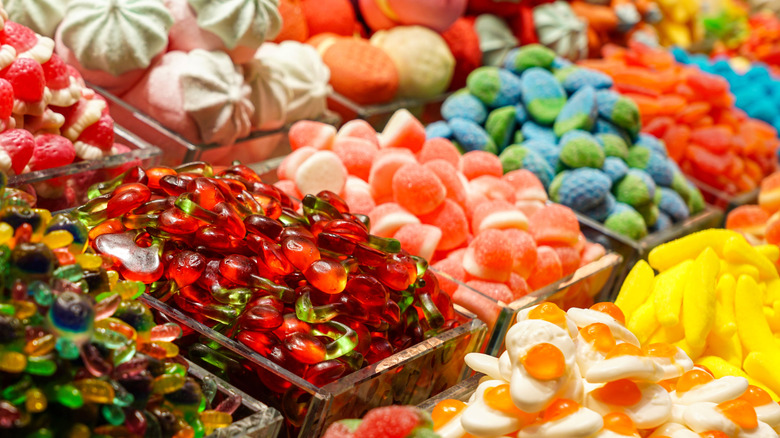
See's volume savings model was not entirely a novel concept. Penny candy shops opened in the late 1800s and sold individually wrapped pieces of candy for a penny. This candy was often sold by the pound, and was popular for parades, when it would be tossed from the floats to the children in the audience. Tootsie Rolls were some of the first penny candies to be sold in the United States, being introduced in 1896. Soon after, Sweethearts candies and Hershey's Kisses hit the penny candy shops. Sweethearts, also called conversation hearts, have a jumbled history, but seem to have been a more romantic iteration of other similar flat, sugary candies that had messages stamped on them.
Bulk confectionery also became popular in the U.S. in the early 1900s. Candy stores, pharmacies, and five-and-dime stores like Woolworth's displayed bins of candy, allowing customers to pick and mix the loose candy they wanted. You can still find stores in malls today that have candy walls, or stacked bins of loose candy that customers can mix and match as they please. You'll even see some on our list of the 21 best candy stores in the U.S.