

7 Tips For Making Restaurant-Worthy Ramen At Home, According To Masaharu Morimoto
We may receive a commission on purchases made from links.
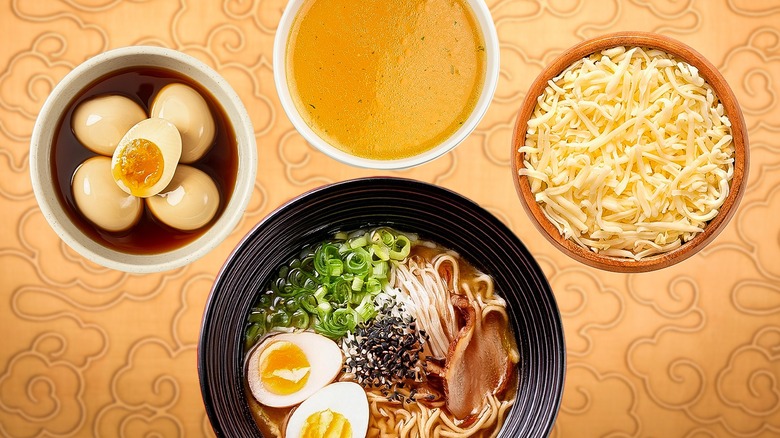
Ramen is one of the most beloved soup dishes in the world, with its unctuous, salty broth, its silky noodles, and its variety of toppings that make for a well-rounded, filling meal. But going out for ramen on a regular basis can be cost-prohibitive, and the instant stuff just doesn't even come close to the deliciousness of a fresh bowl of serious ramen. That's why you may want to learn how to make this dish at home. There are so many different ramen formats you can explore, with an essentially unlimited number of ingredient options from which to choose. But before you start building your bowl, you may want to know the basics of ramen-making at home.
We spoke with Iron Chef Masaharu Morimoto to get some of his best tips for making ramen. These pointers can help you make your first-ever bowl of non-instant ramen, or they can help you improve your existing skills. Either way, you're in for a seriously slurp-able bowl of ramen.
1. Skip the instant noodles
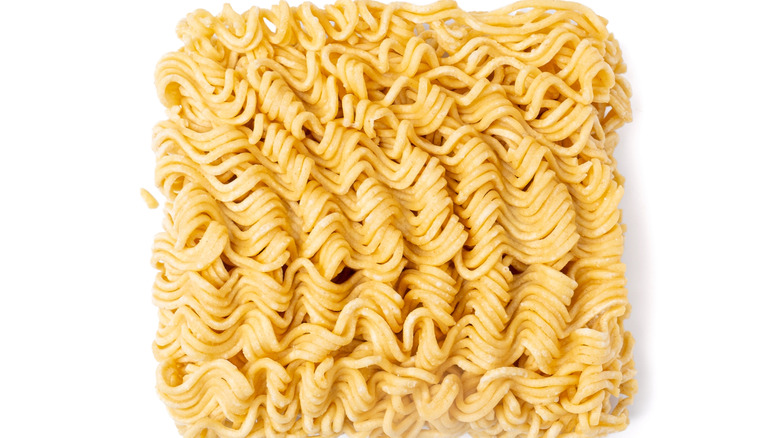
If the extent of your ramen-making experience is opening a plastic package and placing those instant squiggly noodles in boiling water, then you may assume that instant noodles are the backbone to any good homemade ramen. In reality, though, Masaharu Morimoto says that you can skip the instant noodles entirely. Your best bet is going to be fresh noodles, which tend to have that restaurant-quality texture you're going for. "Sun Noodle, based out of Hawaii, is a great fresh-noodle option that I use at my restaurants," says Morimoto.
But not everyone has access to fresh noodles. In that case, Morimoto says that you should head to your local Asian market's dried noodle aisle to find a high-quality replacement for fresh. You might spend a few extra dollars than you would on a packet of instant noodles, but those higher-quality noodles really have the ability to elevate your homemade ramen to a whole new level.
2. Start with a simple chicken broth
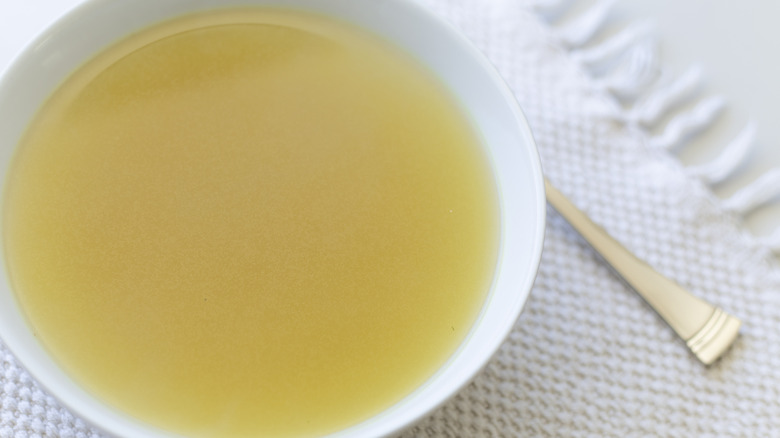
Go to your favorite ramen restaurant, and you'll probably notice that there are a ton of different broth varieties to choose from. All offer a slightly different flavor profile that can give the dish a totally different twist. But what kind of broth should you make at home if you're brand new to homemade ramen? Masaharu Morimoto suggests starting with the basics: "Start simple and use familiar ingredients — like a nice chicken broth." Not only is chicken broth a great place to start for beginners, but it also provides you with a really versatile base for your soup.
However, it's not all about the chicken — other ingredients you add into the broth base can make or break its flavor. "Simmer chicken bones and other aromatics like ginger, garlic, and scallions, adding a tare like Shio or shoyu at the end to give the broth a much more flavorful finish," suggests Morimoto. "It's simple and can be done in just a few hours while still being full of flavor." Once you make your own homemade broth this way, there's no way you're ever going to want to go back to those salty ramen seasoning packets.
3. Try adding a soy-marinated soft boiled egg

Head to one of Masaharu Morimoto's iconic restaurants — like Momosan Foxwoods in Mashantucket, Connecticut – and you'll notice that you can add a wide variety of different toppings onto your bowl of ramen. There are a ton of delicious options to try when you're going out to a good ramen spot, but one that you should absolutely try at home is a soy-marinated soft boiled egg, says Morimoto. They're also known as ajitama, and they can add both an interesting texture as well as a rich, complex flavor to your ramen.
You'll want to make sure that you don't boil your egg for too long — ideally, it will have that creamy, jammy texture in the middle that's not completely raw but just barely cooked. Generally, that'll mean boiling it for around 6 to 7 minutes. Then, you can marinate the eggs in soy sauce, ideally overnight, to give them that salty, savory flavor that functions like an umami bomb in your soup. It's an easy upgrade that feels like a big step up from a standard soft boiled egg.
4. Don't be afraid to experiment with a variety of veggies
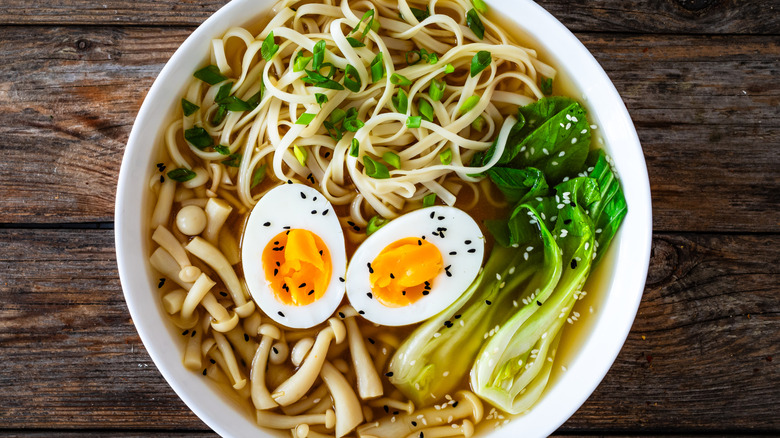
But don't let your toppings stop at the soft boiled egg. For a more well-rounded bowl of ramen, you're going to want to include plenty of vegetables as well. Masaharu Morimoto suggests using some classic veggie ramen toppings like "nori, corn, wood-ear mushrooms, and even bamboo shoots." These can be sourced at many large grocery store chains, but you can probably also snag them at a local Asian grocer.
However, you shouldn't feel limited by this list of ingredients. This is the time to get creative with your ramen and use whatever vegetables you're craving — or whatever you have on hand. Since ramen can be so versatile, it's a good way to clean out whatever vegetables you have sitting at the bottom of your fridge, like broccoli, carrots, and even celery. There are also plenty of unexpected toppings you can add to your bowl of ramen that may not be traditional but can still add an interesting pop of flavor. Pickled red onions, for example, can add sharpness and acidity to your bowl. "My one rule is that there are no rules, so have fun and eat what you enjoy!" says Morimoto.
5. The best proteins for homemade ramen
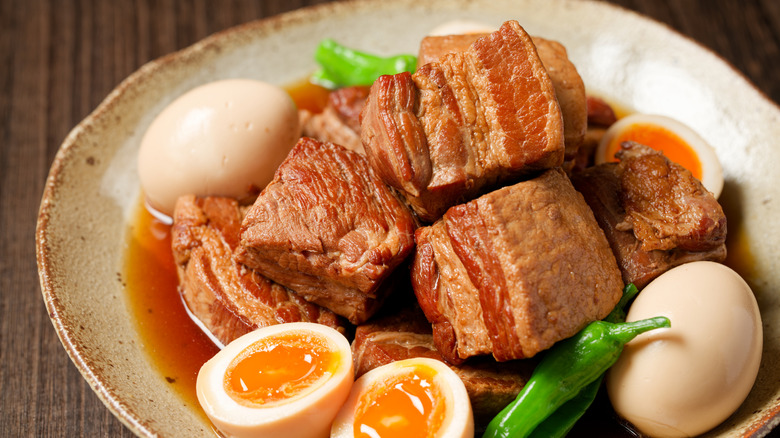
Once you've nailed down the vegetables you're going to incorporate into your bowl of ramen, it's time to consider what protein you want to incorporate into the meal. "For proteins, I personally like pork chashu or kakuni," explains Masaharu Morimoto. Yes, these pork dishes do take some time to make, which is why we suggest prepping your pork in advance of the rest of the ramen. Either of these rich and tender meats is going to make for an especially delicious bowl of ramen.
But if you don't feel confident in your ability to make these pork dishes, you don't have to worry. Something simpler may just be the solution you're looking for. According to Morimoto, "steamed chicken works great too, especially when using home-made chicken broth." Not only is steamed chicken relatively easy to make, it's also a lean option that's great when you're not trying to make the most indulgent bowl of soup possible. If you don't eat meat, there are plenty of plant-based options to explore. Tofu can be a delicious addition to ramen, as can edamame.
6. Tsukeman, or dipping ramen, may be easier to make at home
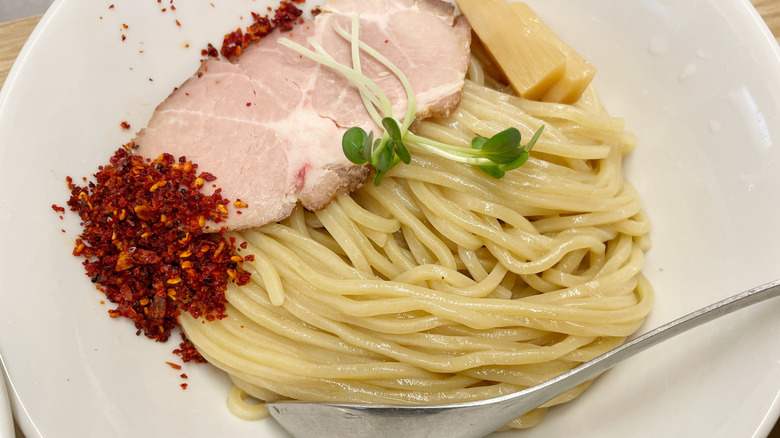
If you didn't grow up with a Japanese culinary background, chances are that when you think of ramen, you think of a brothy bowl of soup. However, there are different kinds of ramen out there, and not all of them contain broth. Tsukeman, colloquially known as "dipping ramen" involves dipping cold noodles into a sauce. Per Masaharu Morimoto, "Tsukemen (dipping noodles) can often be easier to make at home because you don't need a large pot of broth."
Instead of spending all that time making a pot of broth from scratch, you can simply whip up a flavorful sauce for dipping your noodles. This doesn't have to be a complicated affair — "you just need a flavorful sauce or dipping base like soy sauce, sesame oil, vinegar, and maybe a little chili oil to spice it up," explains Morimoto. And the best part? You can make this type of ramen when the weather may not be ideal for a big bowl of hot, steaming soup. "It's really a great way to enjoy ramen on a hot summer day," he says.
7. Incorporate mozzarella into your ramen
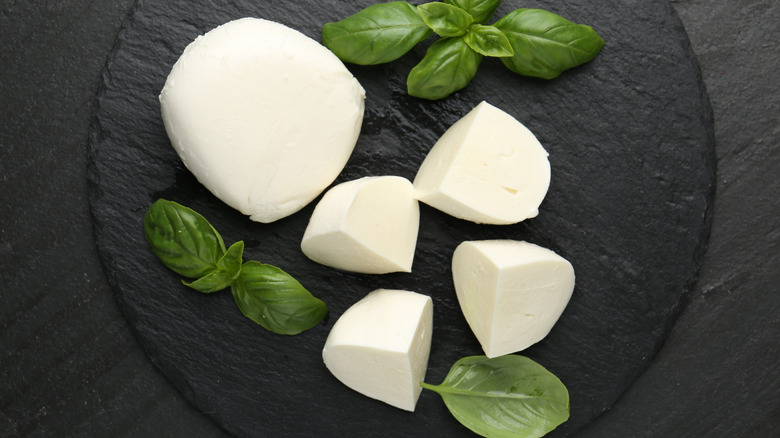
You may not think of cheese as an ingredient that you would normally incorporate into your ramen recipe, but believe us when we say that it can really enhance the dish. This is an especially good option when you want something a little richer, a little heartier, and with a bit of extra creaminess. But not every type of cheese is going to work well in a ramen dish. Masaharu Morimoto's suggestion? Mozzarella. "Mozzarella melts great and doesn't overpower the ramen with its distinctive flavor," he says. This mild cheese isn't as intense as, say, sharp cheddar, which could easily distract from the other ingredients. "It's a fun ingredient and works well with spicy broths and even curry broths too."
Once you add that mozzarella to your hot bowl of broth, it'll start to melt before mixing and melding with the rest of the broth. It's a simple addition that can really transform the dish, and if Morimoto suggests it, we think it's absolutely worth a try.