

Extra Spicy Baked Beans Recipe
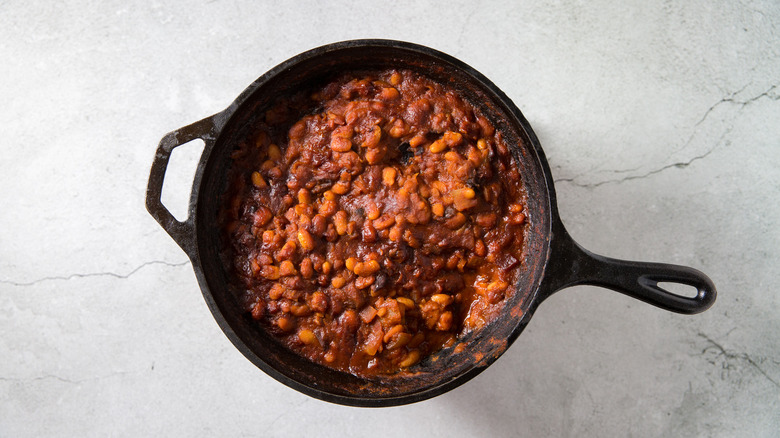
A pot of baked beans is a warm, rich, creamy, and comforting dish that has been around for a long time. We know that Indigenous Americans have been making them for thousands of years, served along with maize and squash. Modern recipes for baked beans have branched out and contain a long list of ingredients. They can be made with meat (the famous pork and beans) or in vegetarian versions. From British-style baked beans that are part of the full English breakfast or served on toast, to Boston baked beans — known for their use of molasses — to regional varieties like Kansas City, Tex-Mex, Hawaiian, and Louisiana-style baked beans, there's something for every taste.
Recipe developer Michelle Bottalico has created a recipe for homemade vegetarian baked beans with a spicy kick. These beans are deliciously creamy and have a rich, complex flavor. The twist is the combination of not just chili powder and ground cayenne for plenty of heat, but also dried ancho chiles, which add a unique warmth and smokiness. If you're not a fan of spicy food, you can leave all the spicy components out, and the dish will have a wonderful, sweet, deep flavor without the heat. You can keep the ancho chiles — they're hardly spicy — but take the spicy seeds out first. There's nothing like homemade baked beans right out of the oven, and we think you'll be a fan of this unique recipe once you give it a try.
Gather your spicy baked beans ingredients
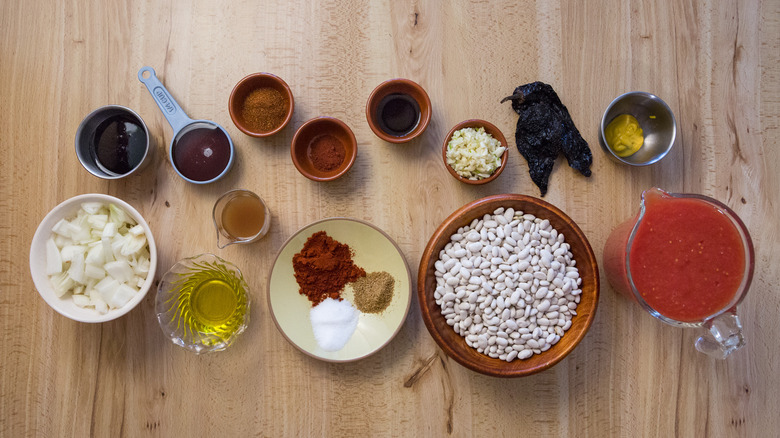
For this recipe, you will need dried white beans like navy beans or cannellini beans. The spices you need are dried ancho chile peppers, smoked paprika, chili powder, cayenne, cumin, and salt. Grab some olive oil, yellow onions, garlic, and tomato puree as well. A far as condiments, have apple cider vinegar, yellow mustard, and Worcestershire sauce on hand. Make sure the Worcestershire sauce is a vegetarian/vegan variety made without anchovies for a fully plant-based dish. Finally, baked beans are known for their sweetness, and in this case, you'll need molasses and maple syrup. You can sub brown sugar for the maple syrup if needed.
Step 1: Soak the beans

Place the dry beans in a large pot and cover with cool water, filling the bowl about 2 inches above the beans. Let soak for 8 hours or overnight.
Step 2: Drain the beans
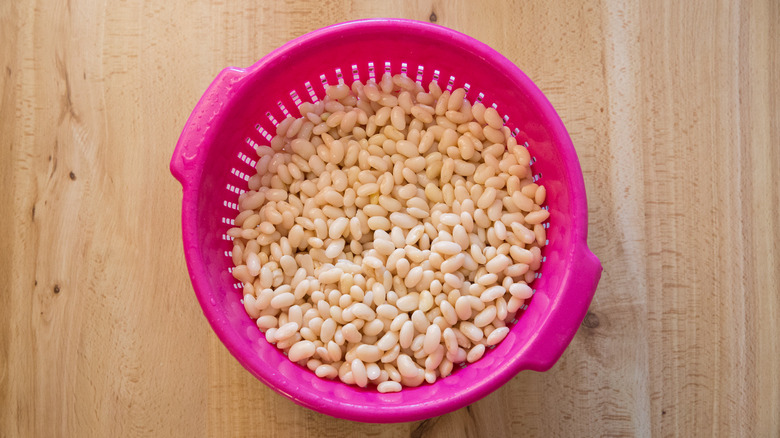
Drain the beans, discarding the soaking water, and rinse.
Step 3: Bring the beans to a boil
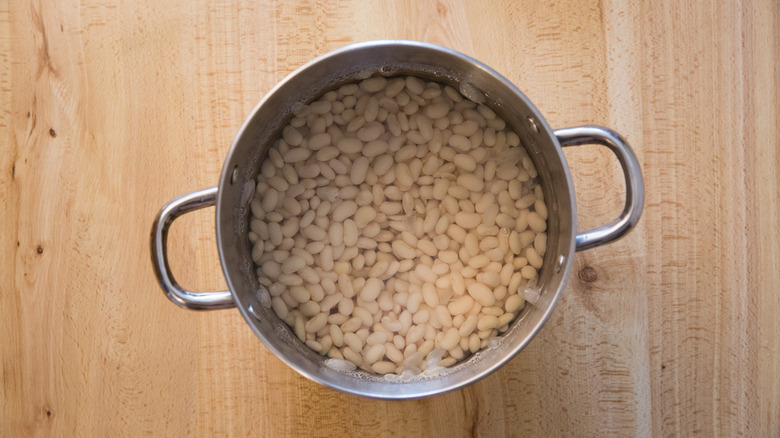
Place the beans back in the pot, cover them with water by a couple of inches, and bring the water to a boil.
Step 4: Simmer the beans

Lower the heat and let simmer for about an hour until tender. Drain and set aside.
Step 5: Prepare the chiles

Meanwhile, cut the dried ancho chiles in half and remove the stems and seeds. (Keep the seeds if you want the baked beans to be even spicier.)
Step 6: Soak the chiles
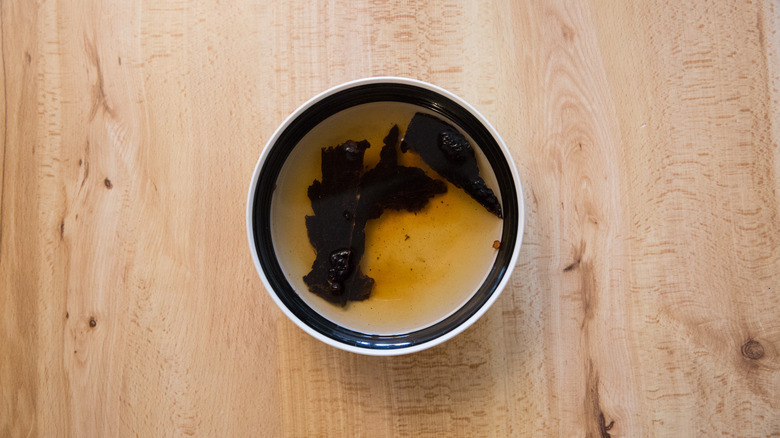
Rehydrate the chiles by placing them in a bowl, covering them with hot water, and letting them sit for 30 minutes.
Step 7: Drain the chiles

Drain the chiles, reserving a few tablespoons of the water.
Step 8: Puree the chiles
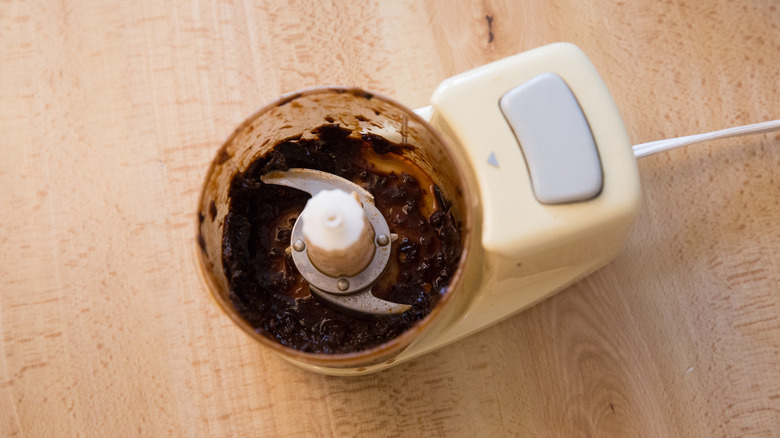
Puree the chiles in a food processor, adding some of the reserved water if needed. Set aside.
Step 9: Preheat the oven
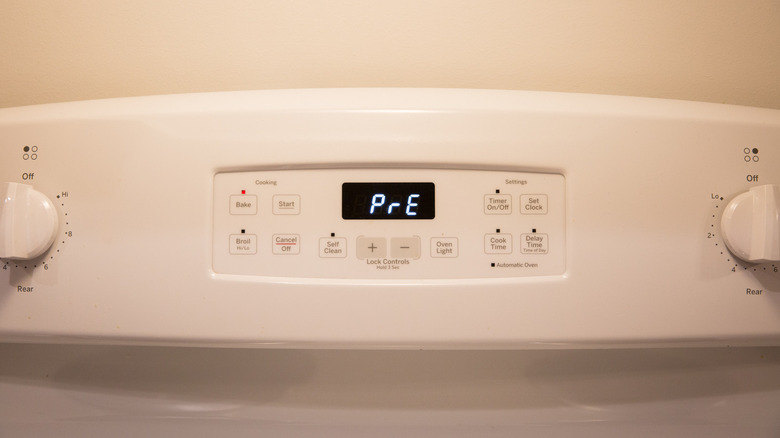
Preheat the oven to 325 F.
Step 10: Heat the oil
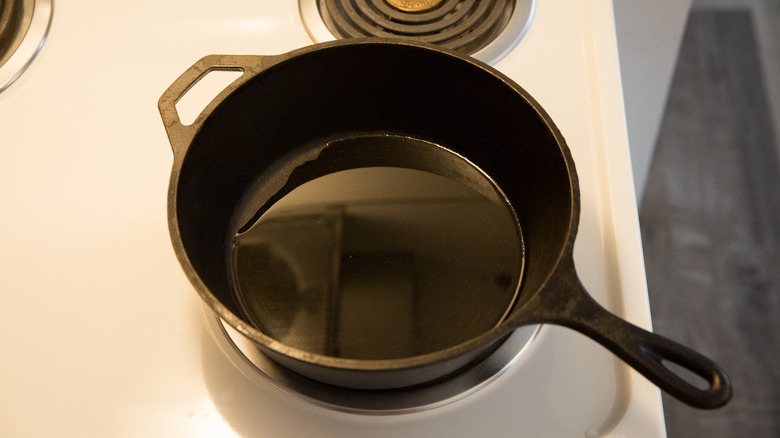
Heat the oil in a Dutch oven on medium.
Step 11: Add the onion
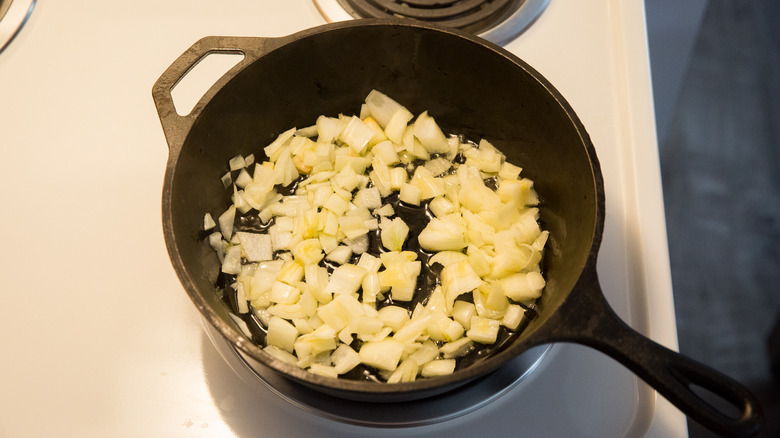
Add the onion and saute for 5-6 minutes until softened.
Step 12: Add the garlic
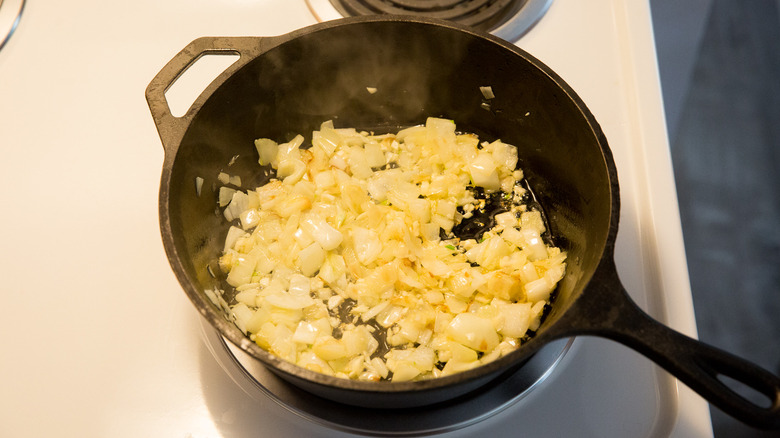
Add the garlic and saute for 1-2 more minutes.
Step 13: Simmer all of the ingredients
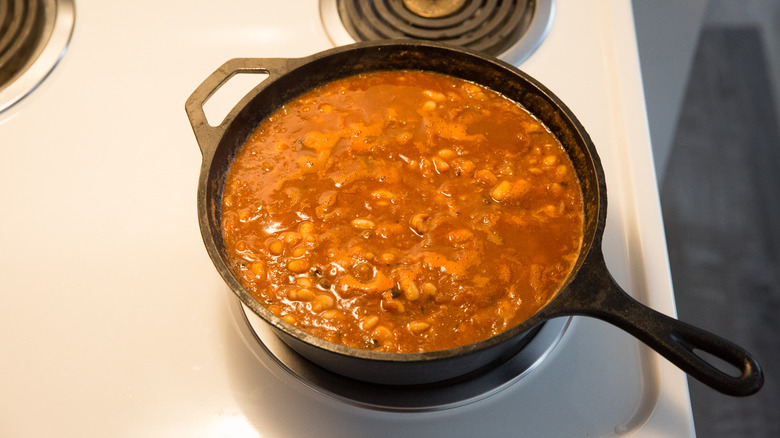
Transfer the drained beans, ancho chile puree, and all the remaining ingredients to the pot and stir well. Let the mixture come to a simmer and let simmer for 2 minutes before removing from the heat.
Step 14: Bake the beans

Put the lid on the pot and transfer it to the oven. Bake for about 1 ½ hours until thickened. Stir it once halfway, and if there seems to be too much liquid, uncover the pot for the second half of baking.
Step 15: Serve the extra spicy baked beans
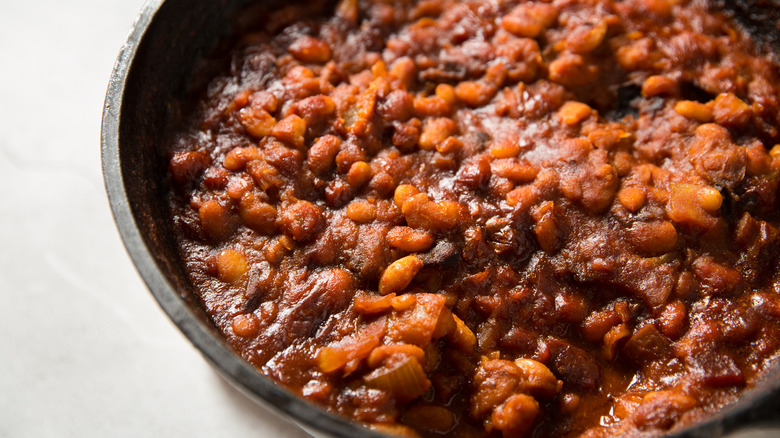
Serve hot.
What can I serve with spicy baked beans?
Extra Spicy Baked Beans Recipe
Our spicy vegetarian baked beans are deliciously creamy and have a complex flavor from chili powder, cayenne, and ancho chiles, which add warmth and smokiness.
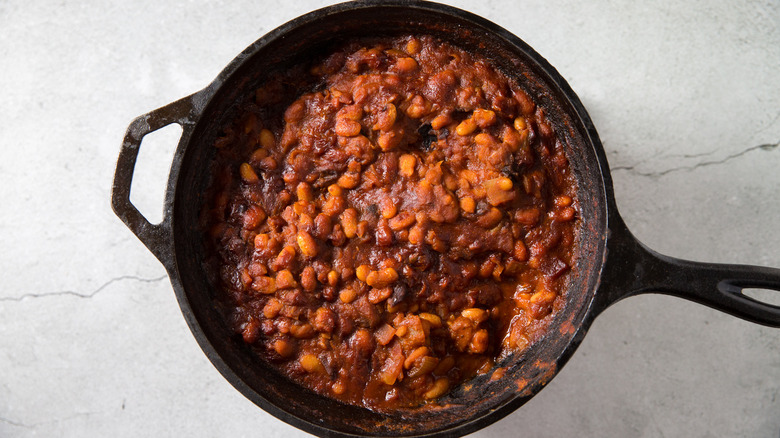
Ingredients
- 1 pound dry white beans like navy or cannellini
- 2 dried ancho chile peppers
- 3 tablespoons olive oil
- 2 medium yellow onions, diced
- 6 cloves garlic, minced
- 1 (28-ounce) can tomato puree
- 3 teaspoons smoked paprika
- 1 tablespoon chili powder
- ½ teaspoon ground cayenne
- 1 teaspoon ground cumin
- 1 tablespoon yellow mustard
- 1 ½ teaspoons salt
- 2 tablespoons apple cider vinegar
- ¼ cup molasses
- ¼ cup maple syrup (or brown sugar)
- 2 teaspoons vegetarian Worcestershire sauce
Directions
- Place the dry beans in a large pot and cover with cool water, filling the bowl about 2 inches above the beans. Let soak for 8 hours or overnight.
- Drain the beans, discarding the soaking water, and rinse.
- Place the beans back in the pot, cover them with water by a couple of inches, and bring the water to a boil.
- Lower the heat and let simmer for about an hour until tender. Drain and set aside.
- Meanwhile, cut the dried ancho chiles in half and remove the stems and seeds. (Keep the seeds if you want the baked beans to be even spicier.)
- Rehydrate the chiles by placing them in a bowl, covering them with hot water, and letting them sit for 30 minutes.
- Drain the chiles, reserving a few tablespoons of the water.
- Puree the chiles in a food processor, adding some of the reserved water if needed. Set aside.
- Preheat the oven to 325 F.
- Heat the oil in a Dutch oven on medium.
- Add the onion and saute for 5-6 minutes until softened.
- Add the garlic and saute for 1-2 more minutes.
- Transfer the drained beans, ancho chile puree, and all the remaining ingredients to the pot and stir well. Let the mixture come to a simmer and let simmer for 2 minutes before removing from the heat.
- Put the lid on the pot and transfer it to the oven. Bake for about 1 ½ hours until thickened. Stir it once halfway, and if there seems to be too much liquid, uncover the pot for the second half of baking.
- Serve hot.
Nutrition
| Calories per Serving | 291 |
| Total Fat | 5.2 g |
| Saturated Fat | 0.8 g |
| Trans Fat | 0.0 g |
| Cholesterol | 0.0 mg |
| Total Carbohydrates | 51.7 g |
| Dietary Fiber | 10.2 g |
| Total Sugars | 17.1 g |
| Sodium | 418.0 mg |
| Protein | 13.0 g |

Why should I add vinegar to baked beans?
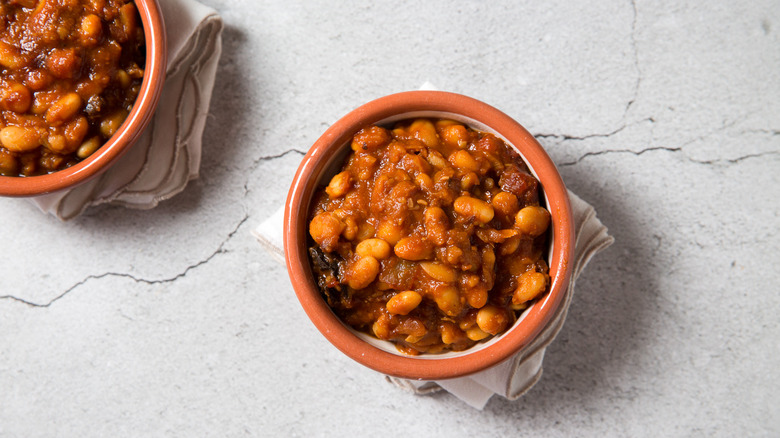
Homemade baked beans generally contain a sizable list of ingredients, from the beans themselves to aromatics, spices, tomatoes, sugars like brown sugar, molasses, or maple syrup, and condiments like mustard and Worcestershire sauce. But if you're reading tips for making homemade baked beans, you'll notice one ingredient cropping up again and again — vinegar. It may seem like vinegar is a strange ingredient to add to baked beans, which are known for their deep, complex, and sweet flavor, but that complexity comes from the dance of all the many ingredients in the mix. Vinegar adds acidity, and while the tomatoes are also acidic, vinegar adds a unique twist and gives the final beans a tangy component. The acidity in vinegar also helps balance the sweetness of the molasses, syrup, or sugar.
There's also a scientific reason for using vinegar. The acidity helps make the fibrous beans more tender as they cook. No one wants al dente baked beans, and vinegar plays a role in making them nice and creamy.
You can choose the type of vinegar that matches your dish the best. Try apple cider vinegar for a lighter dish. Balsamic vinegar is sweeter, richer, and has a darker color, and pairs well with Southern-style baked beans. Worcestershire sauce — considered by some to be a magic ingredient in baked beans – also contains vinegar and is commonly used in homemade recipes. It will add umami and further complexity to your dish.
How can I use a terracotta Dutch oven without cracking it?
Terracotta pots are versatile pieces that can cook a range of foods and can be moved from the stovetop to the oven, and high-quality pieces can last more than a lifetime. They do require some basic care to prevent cracking. It's important to never subject terracotta pots to thermal shock. This means avoiding temperature extremes. For example, do not pour cold liquid into a hot pan. Warm the liquid to room temperature first. Heat up terracotta pots slowly. Start with low heat and gradually increase it up to medium-high on the stove. Use a heat diffuser if you have electric burners. Always place pots in the oven before you turn the oven on.
You'll need to season the pan before the first use. Submerge it in the sink and soak for six hours. Let it dry completely, and then heat about 6 cups of water in the pot on the stove, starting on low and moving up to medium-high over the course of a couple of hours. If you want to use it in the oven, pour water in it until it's halfway full and place it in the oven while the oven is off. Turn the oven on low and, again, over the course of a couple of hours, increase the heat until it reaches 450 F. Finally, wash terracotta pots by hand and avoid using metal utensils when cooking with them.