

How The Prohibition Era Led To A Surge In Mocktails That Continues To This Day
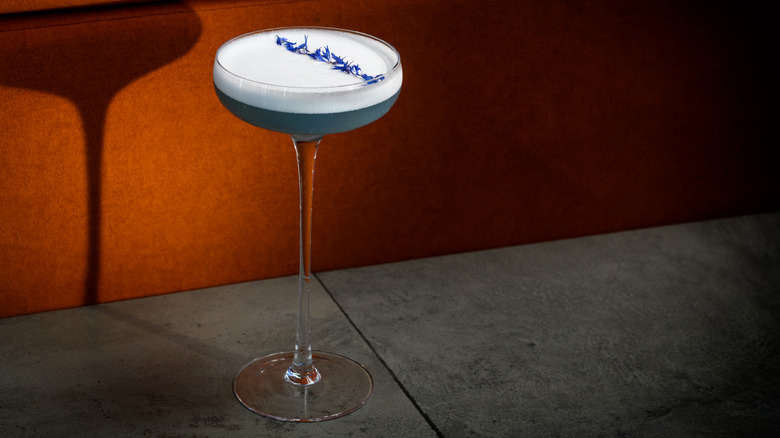
The history of cocktails stretches back centuries. The word "cocktail" began circulating in the 19th century to refer to various combinations of a spirit with a sweet element and an acidic element. During the Prohibition, cocktails with sweet mixers became popular to hide the terrible-tasting booze people were making themselves. Ever wondered about the origins of the iconic last word cocktail, or the bee's knees, or the sidecar? These are Prohibition-era cocktails that would inspire mixologists nearly a century later and spark our current craft cocktail movement.
If you don't imbibe or practice moderation with non-alcoholic beverages, don't feel left out of all this speakeasy-filtered history. Mocktails might feel like a new-fangled answer to today's wellness awareness, but these booze-free concoctions trace their roots back to the Jazz Age. For all the revelers daring to sip illicit hooch, there were temperance societies urging people away from the sauce, books listing recipes for "cocktails" without alcohol, and readers looking for interesting replacements for booze. These recipes were for what was known as "temperance drinks" as far back as the 1800s. During the Prohibition, bartenders elevated existing recipes to create something people might still venture out for with booze off the table. They faced the same challenges mocktail mixologists face today: It's almost as expensive to make them as alcoholic tipples, but consumers aren't willing to pay the same prices. Still, there were hundreds of spirit-free options, so today's scene is more of a renaissance than a revolution.
What mocktails did people enjoy during the Prohibition?
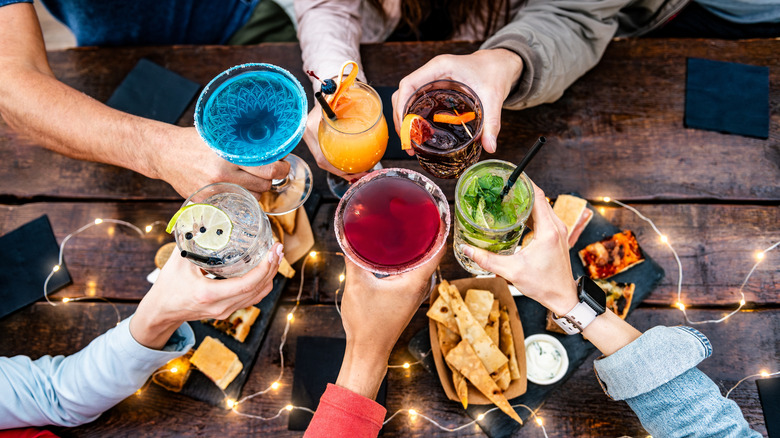
After the 18th Amendment passed, more people turned to existing mocktail recipes. "The Bar-Tender's Guide," an 1862 book by Jerry Thomas bartenders still treasure today, included 15 spirit-free cocktail recipes, like Soda Nectar with carbonate soda, lemon, sugar, and water. In other compilations, one could find dozens of riffs on lemonades, sodas, and an entire category of "coolers," variations of soda, fruit juice, sugar, and bitters. Prohibition-era bartenders looking to keep enticing patrons with creative concoctions invented recipes more closely related to standard cocktails, like the non-alcoholic Bronx, a cocktail with booze-free gin, booze-free vermouth, and bitters. In 1930, socialite Roxana B. Doran published "Prohibition Punches," an entire volume of mocktails; it included "The 1930 Cocktail" employing ginger ale, grape juice, pineapple juice, lime juice, mint, sugar, and chopped fruit and cucumber; as well as "Mock Champagne" and "Frosted Orange Juice."
When Prohibition was repealed in 1933, many people were so excited to imbibe again that mocktails fell a bit from favor — but never vanished entirely. There was a resurgence of mocktail menus at bars and restaurants in the 1980s and 1990s, but while spirit-free cocktails aren't new today, they've certainly reached new levels of prevalence and creativity. Pro and amateur bartenders alike now know the ingredients for emulating even the textures of standard cocktails sans booze. And it's easier than ever to enjoy one — we ranked 12 canned mocktail brands to help you sort through the crowded market.