

The Whimsical History And Evolution Of The Keebler Elves
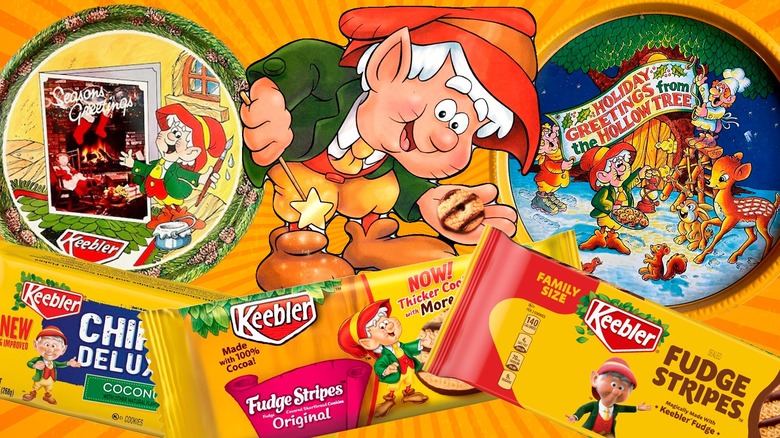
Most would recognize the Keebler elves before they could even recognize the cookies in the box. As some of the most famous snacking mascots, the adorable little elves have been the face of Keebler cookies since 1969. They started as a simple advertising campaign, but, over the years, the Keebler elves grew into a world of their own. And unlike the real girl behind Little Debbie, the Keebler elves are entirely imagined.
The Keebler company hired ad agency Leo Burnett Worldwide in 1968 to help revamp the company's image and boost sales. A few short months later, the first Keebler elf was born, formally known as J.J. Keebler. This was over a decade after silly characters like Tony the Tiger and Toucan Sam began taking over cereal boxes and juice cartons, and Leo Burnett saw the possibilities.
A full-length feature film could be made from all of the Keebler elf commercials that have aired over the years, and maybe even a sequel. The once small-time Keebler bakery, founded in 1853 by a modest German baker based in Philadelphia, became a household name for its mascots alone.
The beginning of the Keebler Hollow Tree Factory
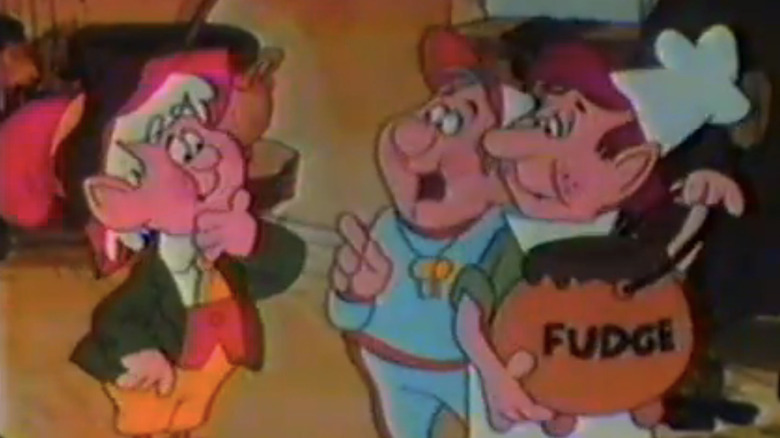
The little elves are always up to big things, cranking out delicious cookies from within a hollowed-out tree. Burnett's idea behind the gang of elves was to market the packaged cookies as homemade or, in this case, tree-made. The creative team painted a picture, literally and figuratively, of a jolly bunch of elves baking hundreds of mouthwatering cookies fresh daily.
After J.J. Keebler was introduced to the world in a 1969 commercial, Ollie was welcomed into the tree. The leader of the bunch that we see today on those E.L. Fudge-branded goodies, Ernie, was actually the third elf introduced. There's something about his warm, friendly demeanor and grandpa energy that made him a crowd favorite. Now, he's the face on every package of cookies and crackers that Keebler sells.
The fun illustrations pulled kids in, having them tug on their parent's jackets begging to bring a box of the sweets home. But what really captivated customers was the whimsical storytelling that surrounded the Keebler elves. The more personality the characters had, the more connected kids felt to the product. They'll always choose their favorite happy elf's cookies over a boring, drawing-free package. Kids felt a personal attachment to the brand in the same way they do with their beloved TV hosts and toys.
How the Keebler elves evolved over the years
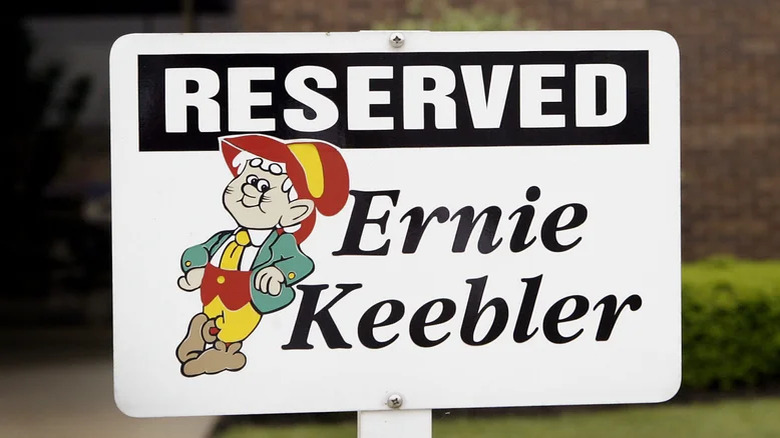
The Keebler elves didn't slow down their baking antics as decades passed. In fact, they only got more interesting. One of the many clever aspects of Leo Burnett's approach to the Keebler elves is that there's always room for more characters, which opens the door to unlimited marketing opportunities. We've met Ernie's entire extended family over the years, including his nephews, Zoot and J.J., and his mentee, Elmer. His mother helped him bake Keebler's Soft Batch cookies in a 1980s commercial, and Buckets, the dedicated mixer, joined the team down the road.
We've also met product-wrapping Fast Eddie, the Hollow Tree Factory's fudge artist Leonardo, and Doc, the on-site doctor and wisest elf in the baking industry. New products were often debuted with a new face, like Sam, the peanut butter expert, and Roger, the jeweler who sprinkles "jewels" (a.k.a. rainbow chips) into his cookie dough. The elves are clearly magical, because how else could they create cookies so delicious?
More magical marketing campaigns
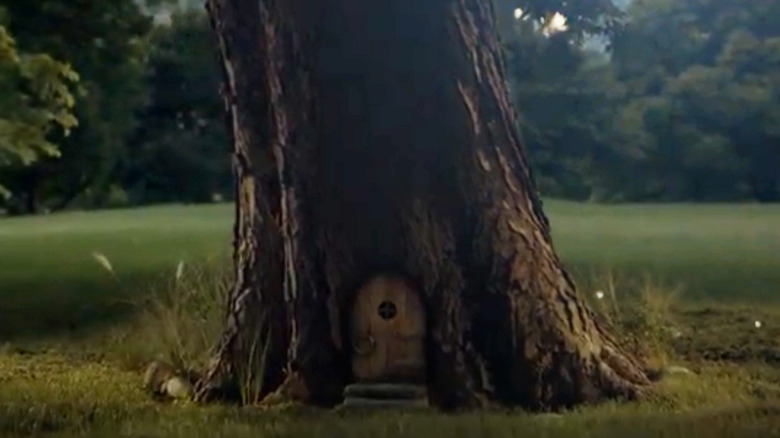
The Keebler Company expanded the elves' magical little world with dozens of characters and storylines over the years, but by 2013, the company felt as though the brand had lost a bit of its magic. That was until a father and son snuck a little magic right into Golden Gate Park. Tucked onto the bottom of an unsuspecting tree, the pair placed a tiny, ornate door, seemingly leading to the Keebler elves' iconic cookie factory inside the hollowed-out tree.
Inspired by the creative idea, the Keebler Company launched the Tiny Door Project, setting Keebler fans off on a little adventure of their own. In cities all over America, the Keebler elves were hiding behind tiny doors, hard at work. The best part? It was a surprise. Rather than announce the rollout of tree trunk cookie factories, the brand quietly commissioned artists to build these intricate "Lord of the Rings"-style doors and affix them onto tree trunks, then waited for curiosity to spark.
Every few days, another headline would pop up, with folks unexpectedly coming across tiny magical doors in their local parks. Once the word was out, the campaign served as a sort of treasure hunt for both kids and parents. The campaign was interactive and, without a doubt, whimsical. As the now-defunct website claimed, Tiny Door Project was "a little project sponsored by the elves at Keebler." The brand helped get the word out and facilitate the project, but it was all thanks to the community.
With the Keebler Company marketing team, the magic never stops
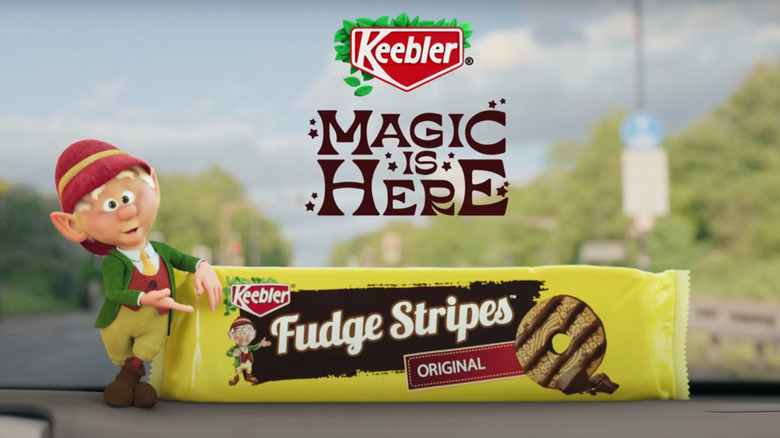
Fast forward ten years, and the Keebler elves were on a similar mission: to make families believe in magic again. In 2023, the adorable gang of elves was joined by none other than Haylie Duff to proclaim, "Magic is Here." The idea behind the campaign was to encourage creativity and bring families closer together through fun activities, and we all know a little bit of cash can help make that happen. The "Magic is Here" campaign ran a sweepstakes, awarding 100 winners daily with "magic dough" to help make their summer dreams come true.
Along with being world-renowned bakers, the elves are allegedly also software developers. According to the campaign's retired website, Ernie and his pals designed the "Magic Ideas Generator" for families to play activity roulette, hopefully with their winnings. The generator would prompt pastimes like scrapbooking, hosting afternoon tea parties, and living room campouts. No doubt, the old-school food brand did it again by bringing family fun to customers everywhere.
New illustrations, same elves
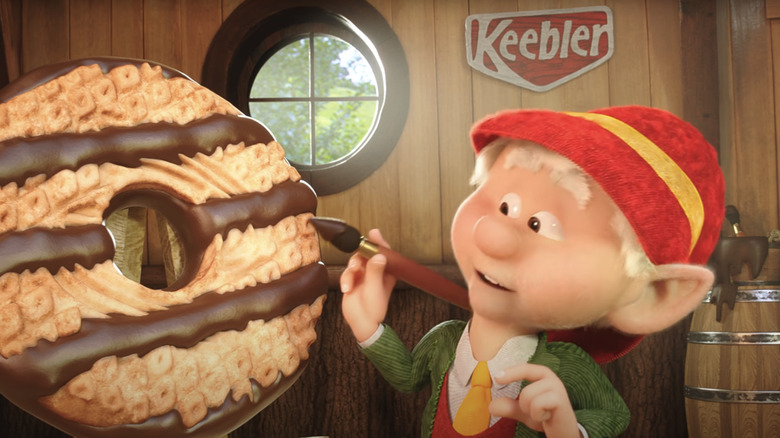
The Keebler elves we see baking today have a much different look than the 1970s elves. They too got kitchen upgrades and modern renovations. And with each passing year, we get more insight into the Keebler's little universe.
They were originally hand-drawn by Roger Bradfield with a whimsical style reminiscent of a Disney fairy tale. The illustrative style changed with the times, with bold lines and high saturation in the '90s, then the rounded, bubbly look that we see on packages today. It wasn't just the elves' aesthetic that changed, but the commercial format and tone did as well.
In the late '90s, the fictional Keebler elves started interacting with real people, like in one of the first commercials for Rainbow Chips Deluxe. In addition to magazine ads and commercials, the Keebler elves appeared in toy stores, were printed on dishware, and even appeared on sleeping bags.