

These 12 Italian Olive Oils Will Outshine Your Go-To Brand
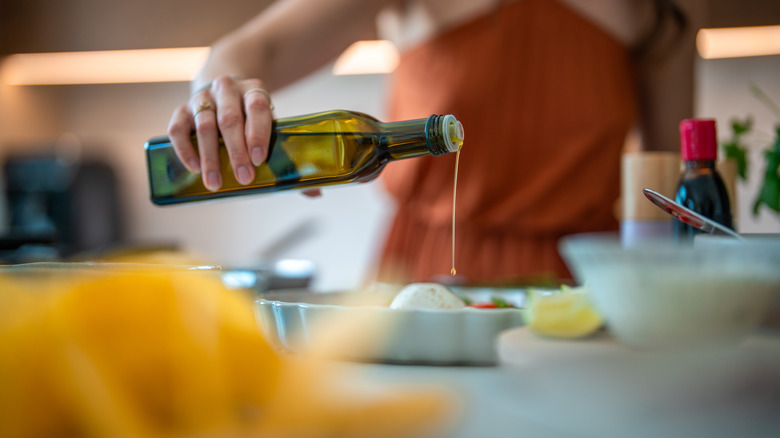
Once you start paying attention to the flavor profiles of different olive oils, you'll never stop exploring. That's especially true when it comes to Italian olive oils, which are incredibly diverse thanks to the country's wide range of olive cultivars (read: more than 500), soil profiles, microclimates, harvest timings, and both traditional and modern production techniques.
We spoke to three experts to learn more about some of the best Italian olive oils on the market, as well as how to use them. Providing their insights are Emily Lycopolus, the sommelier behind Olive Oil Critic; Giuliana Mackler, an olive oil specialist who regularly advises hospitality and food industry professionals; and Claudio Vignoli, a certified master miller and olive oil sommelier who founded Vignoli Italian Food Anthology. In this guide, you'll find both monocultivar oils and meticulously crafted blends. The blends, Lycopolus tells us, are typically classified as IGP or PGI products, meaning they contain certain cultivars and reflect specific flavor profiles, depending on where they originate. In other words, these blends provide an excellent opportunity to practice tasting terroir.
Because each oil listed has been recommended by our experts, you can count on it having a spectacular, unique flavor, regardless of whether the oil in question is sold at a lower or a higher price point. For more tips on how to select the best bottle, check out our ultimate guide to buying olive oil.
Vignoli IGP Puglia Extra Virgin Olive Oil
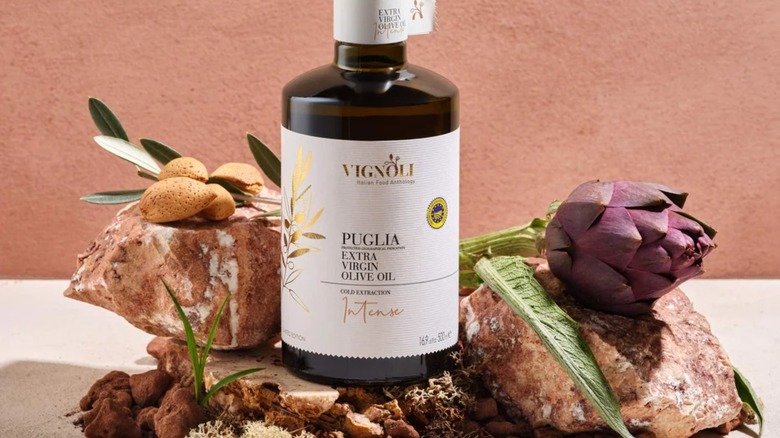
Vignoli's IGP Puglia Extra Virgin Olive Oil, recommended by Emily Lycopolus, contains a high polyphenol count, and it's therefore not only a superb choice for frying (more antioxidants mean a more stable oil), but it will also lend more striking flavors to your meal. There's a substantial amount of Coratina olives in this oil, Lycopolus explains, which is partly responsible for its spicy and peppery accents (look out for notes of wasabi). At the same time, there's a fair amount of earthiness and bitterness, along with a green, fruity aroma.
Because this is a bold oil, Lycopolus says, you should plan on using it in a bold dish. But by bold, she doesn't necessarily mean spicy. As a matter of fact, Lycopolus tells us this oil is well-suited for desserts. She particularly recommends incorporating it into dark chocolate bark with nuts or dried fruits, apple or apricot crumble, lemon olive oil cake, or caramel sauce to be served alongside apple crisp. Indeed, olive oil is just one of many unexpected matches made in heaven when it comes to chocolate, so feel free to further experiment with this oil in brownies, chocolate cakes, and truffles.
On the savory front, Lycopolus suggests using this oil to make Italian specialties like olive ascolani and antipasti fritti. To draw out more fruitiness from the oil, she says, pair it with an acid. It's great with a variety of meats, too.
Quattrociocchi Delicato Organic Extra Virgin Olive Oil
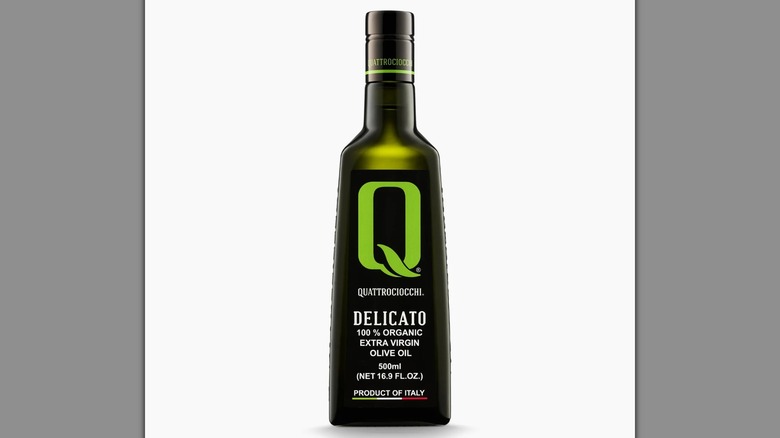
Giuliana Mackler recommends that folks try the Quattrociocchi Delicato Organic Extra Virgin Olive Oil if they're looking for an herbaceous, earthy oil to pair with seafood, pasta, and roasted chicken dishes. This oil, Mackler explains, contains Leccino olives, which are a primary cultivar in many Tuscan blends.
Quattrociocchi's Delicato oil is green in color, and others in the industry have noted that pea pods and broad beans are evident in both its aroma and its flavor. Meanwhile, Mackler reports that this early harvest oil lends flavors of artichoke, almonds, and herbs to a dish. See if you can detect wild chicory, basil, or mint in the aroma, then search for black pepper on the palate. This oil carries a hint of bitterness, but not too much, making it a mild, versatile product that can complement anything from spring soups to grilled fish to soft cheeses.
Mackler shares that this oil is made by a sixth-generation farmer named Americo Quattrociocchi, who is a pro at monitoring harvest timing and temperatures. She praises the mill for its advanced technology, too, which helps ensure that the resulting olive oil is fresh, flavorful, nutritious, and unmarred by processing defects.
Paolo Cassini Krosus Organic Taggiasca
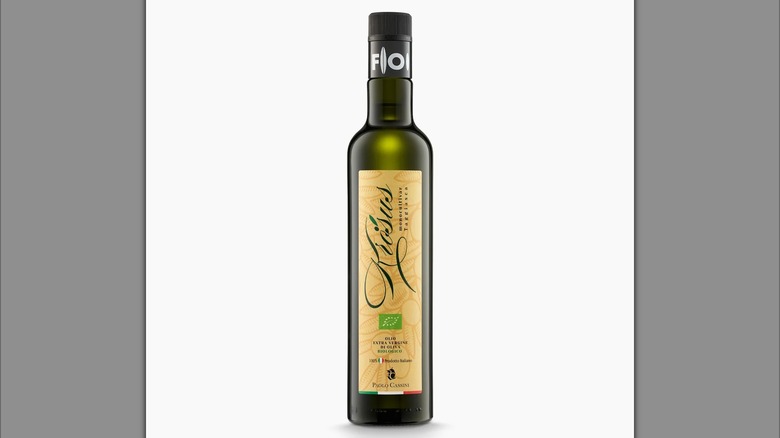
In the Ligurian municipality known as Isolabona, Paolo Cassini oversees the tending of approximately 2,000 Taggiasca olive trees, some of which monks planted in the 13th century, Giuliana Mackler shares. However, the family's mill, first established in 1962, is thoroughly modern and adept at producing three different monocultivar oils from the beloved Taggiasca olive. By the time he was seven years old, Cassini was learning the ropes at the mill, and in the years since, he has helped pull the farm out of a frost-induced lull, repeatedly updated the equipment, and been awarded some of the highest honors in the olive oil industry.
It's Paolo Cassini's Krosus Organic Taggiasca oil that Mackler specifically recommends. In this delicate, golden oil, you might detect notes of butter, almonds, apples, and herbs, she says. This is an award-winning oil, described as being sweet, with a subtle bitterness and a clean finish. It's the oil you'll want to reach for when making pesto, Mackler stresses, but it's also a terrific contender for mayonnaise and baked goods. Salads and fish may also find their match in this olive oil.
Planeta IGP Sicilia Organic Extra Virgin Olive Oil
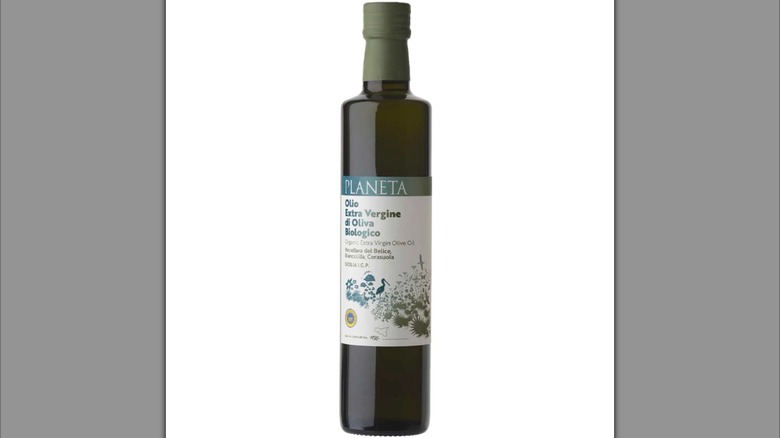
When we get down to making Italian food, we often find ourselves reaching for jars of herbaceous seasonings like oregano, parsley, basil, thyme, and sage. Taste a bit of Planeta IGP Sicilia Organic Extra Virgin Olive Oil, Emily Lycopolus tells us, and you might detect some of those very same herbs playing off one another.
"An IGP Sicily," Lycopolus shares, "is typically a blend of Nocellara del Belice, Biancolilla, and Cerasuola [cultivars], and is very herbaceous, with notes of tomato leaf, oregano, rosemary, and fennel." This one is no different, with the product description encouraging consumers to also look out for hints of citrus, basil, parsley, and artichokes.
This award-winning oil contains a somewhat spicy and peppery finish. Lycopolus recommends pairing it with a moderately spicy tomato-based pasta sauce or with caponata (check out our eggplant caponata recipe for inspiration). This oil likewise goes well with fresh or grilled vegetables, firm cheeses, and vanilla ice cream. Meanwhile, Claudio Vignoli tells us he uses his IGP Sicilia olive oil for seafood and baked goods, where he stresses that the oil's herbaceousness does not overpower the other ingredients.
Pruneti Frantoio Organic Extra Virgin Olive Oil
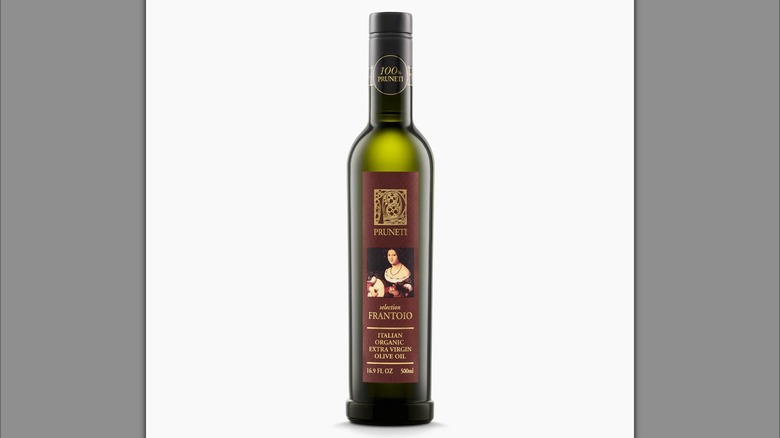
Many Tuscan olive oils, including blends that feature Leccino and Moraiolo olives, contain Frantoio olives, Giuliana Mackler explains. But if you want a monocultivar oil starring this prized olive, a bottle of Pruneti's Frantoio Organic Extra Virgin Olive Oil is an excellent place to start.
Brothers Paolo and Gionni Pruneti are two fourth-generation farmers in the Chianti region (yes, the same region that gives Chianti wine its name) who oversee the tending of about 30,000 olive trees. The Pruneti family has sold agricultural goods from their farmland since the turn of the 20th century. However, it was Paolo and Gionni who more recently ramped up the farm's olive oil production and helped usher the company's olive oils into the international market.
That's good news for consumers who are looking for a top-of-the-line, award-winning, bold oil. Frantoio olives are famously bitter and peppery, Mackler notes, so turn to this oil when dishes like bruschetta, roasted vegetables, and red meats are on the menu. You'll want to look out for notes of artichoke, arugula, green pepper, tomato leaf, and rosemary, she elaborates. Others have noted that this oil contains elements of mint and sage.
Viola Il Sincero Extra Virgin Olive Oil
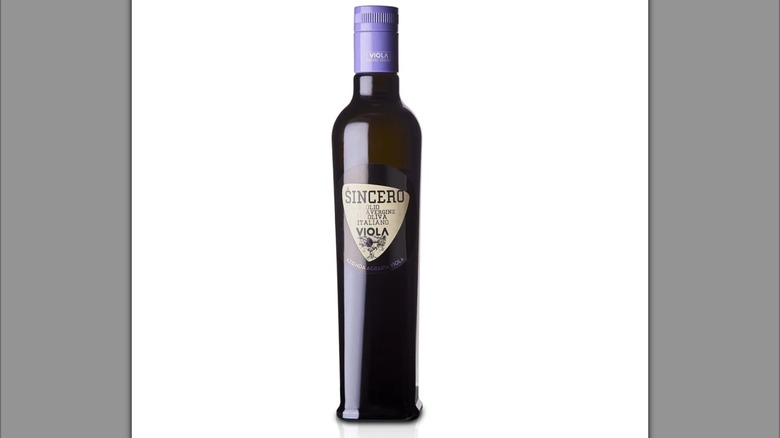
In many Tuscan and Umbrian olive oil blends, you'll find a cultivar known as Moraiolo, Giuliana Mackler shares. However, you may enjoy this olive's bitter, peppery notes even more when they stand out in a monocultivar oil, such as Viola's Il Sincero Extra Virgin Olive Oil.
We have fourth-generation farmer Marco Viola to thank for this award-winning olive oil, which is produced in the ancient town of Foligno, which is part of the Umbrian region. The trees here have been thriving on rocky slopes for hundreds of years, Mackler tells us, and Viola's modern production techniques pair sustainability with a commitment to culinary excellence. In this oil, you might taste notes of almond, black pepper, bitter greens, balsamic, and herbs, she says. Others have detected thistle and chicory on the palate, with rosemary, mint, and basil making up its aroma.
This is a wonderful oil to use when preparing dishes like salads, pizzas, pastas, red meat, and bruschetta, Mackler says. Others recommend drizzling it into a sweet pepper sauce or over roasted game, while Viola himself favors pairing it with medium cheeses and either orange or tangerine sorbet.
Frantoi Cutrera PGI Sicilia Extra Virgin Olive Oil
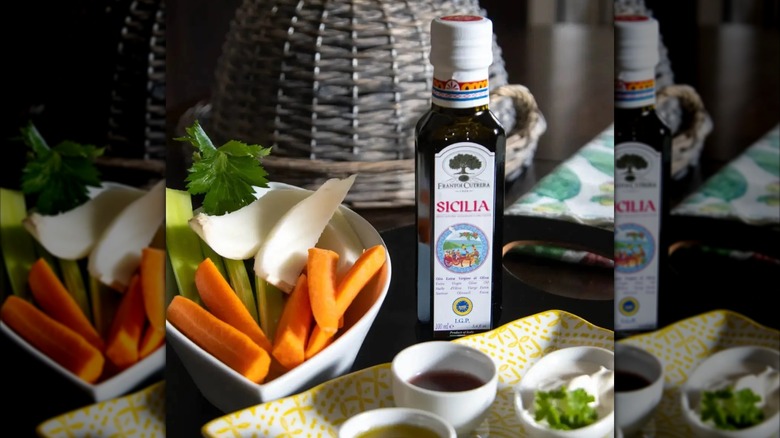
Here's another Sicilian olive oil blend recommended by Emily Lycopolus. The Frantoi Cutrera PGI Sicilia Extra Virgin Olive Oil is a blend of Biancolilla and Nocellara del Belice olives. It was the first oil to be distinguished by the PGI Sicilia label, leading the way in earning the island more recognition for its distinct terroir.
This oil is said to be extremely balanced and medium in intensity. It contains elements of artichoke, grass, and herbs in its aroma, while its taste is complexified by some spiciness, and its mouthfeel is characterized by a bit of bitterness.
According to the Frantoi Cutrera website's description of this oil, it can provide greater depth of flavor to marinades, soups, and dipping sauces like pinizmonio. Lycopolus suggests using Sicilian olive oils like this one alongside tomatoes — perhaps in caprese salad or in pasta sauce. Speaking of which, we've got the perfect caprese salad recipe to get you started. Lycopolus also notes that because of their tomato-like aroma and flavor profile, Sicilian olive oils go well in guacamole, Spanish-style rice, and tomato risotto.
Vignoli Polifenoli Extra Virgin Olive Oil
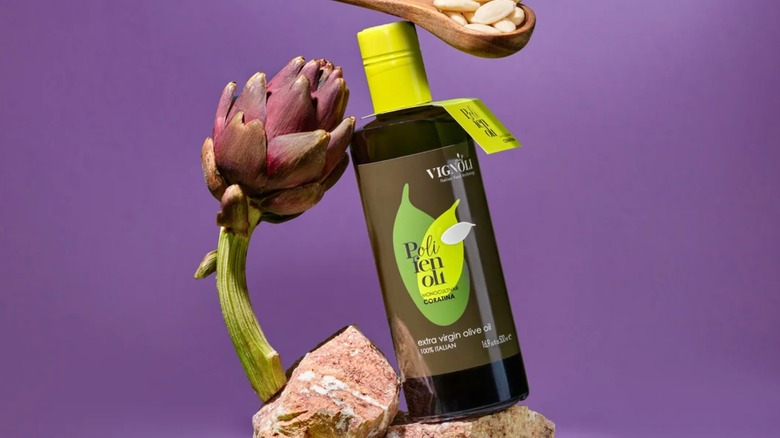
Vignoli's Polifenoli Extra Virgin Olive Oil is a bold, bitter, and spicy oil that reflects the agriculturally renowned Puglian region, Giuliana Mackler shares. Coratina olives lend this oil elements of green tomato, green apple, green tea, herbs, and artichoke. Also look out for almonds, endive, chicory, thistle, and green chili. Meanwhile, this oil has a grassy aroma replete with olive leaf and more green apple.
Known for being remarkably high in polyphenols, this early harvest olive oil is an ideal choice for sauteeing ingredients because even after a stint on the stove, it will retain a fair amount of antioxidants. Still, Claudio Vignoli himself recommends using it as a finishing oil, perhaps over meat, soup, roasted vegetables, or vanilla ice cream (a combination that may sound strange but is surprisingly delicious). Meanwhile, Mackler suggests pairing this oil with dark chocolate, chilis, and salads. It's likewise recommended for pungent pasta sauces (such as arrabbiata), chimichurri, and gremolata.
Hopefully, this unique oil will be around for a long time to come. However, Mackler notes that Coratina olive groves are currently being attacked by the spittlebug pest, making it all the more important to support small farmers.
Quattrociocchi Olivastro Organic Extra Virgin Olive Oil
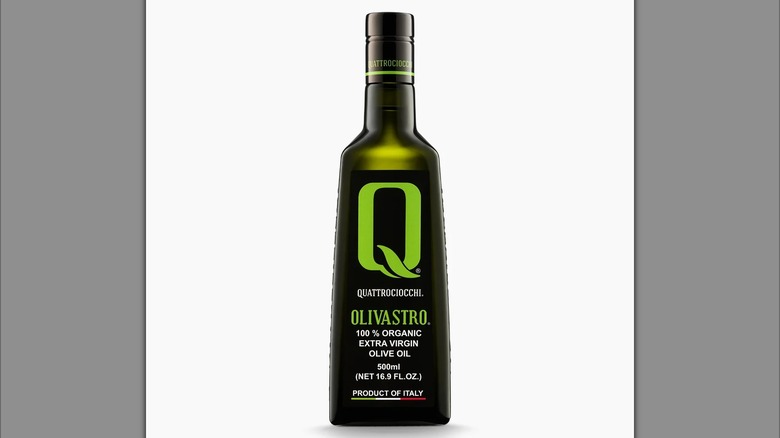
Compared to Quattrociocchi's Delicato oil, the brand's Olivastro Organic Extra Virgin Olive Oil is much more robust, with herbaceous notes of olive leaf, grass, artichoke, almonds, walnuts, and green apple suffusing each bottle. Giuliana Mackler recommends this product as both a cooking and a finishing oil; it boasts a high polyphenol count, and offers astringency, bitterness, and finally pungency in the finish. She suggests serving it alongside grain-based salads, toasted bread, or roasted meats and game. Aged cheeses are also an excellent match, so consider putting a cruet of this olive oil on your next cheese board.
This oil is composed of Itrana olives from a family farm in central Italy, and it's won multiple awards for its balance of spicy, bitter, fruity, and herbaceous flavors. That includes a Hall of Fame award from Flos Olei. The brand also offers early harvest organic Itrana olives in jars, so you can taste the sweet, nutty fruits in their original state.
This is the second oil Mackler recommends from Quattrociocchi, so don't hesitate to check out the brand's other offerings. A large handful of jams and even a few flavored olive oils are also in the lineup.
Frantoio Franci IGP Toscano Extra Virgin Olive Oil
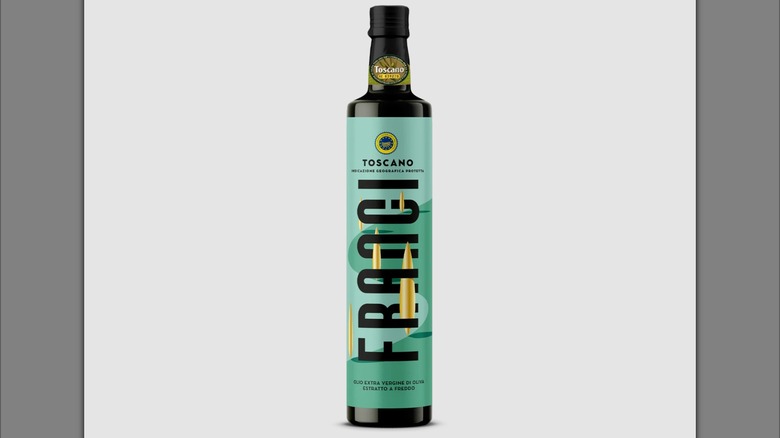
According to Emily Lycopolus, the Frantoio Franci IGP Toscano Extra Virgin Olive Oil might just be your new go-to oil for green sauces like pesto and chimichurri. You might also pair it with naturally bitter vegetables like eggplant and artichoke, as well as steak. "IGP Toscano ... is typically a bold, green, bitter oil that tastes like arugula, radicchio, endive, and mustard greens," Lycopolus explains.
Frantoio Franci recommends incorporating its IGP Toscano oil into raw dishes like salads, tartare, and carpaccio, as well as cooked dishes like soups, risottos, and pastas. Meanwhile, Claudio Vignoli adds that a grassy, bitter Toscano oil like this one pairs spectacularly with grilled vegetables, legumes, bruschetta, and both white and red meats. This kind of oil holds its own alongside other bold ingredients, he confirms.
Frantoio Franci is no stranger to the olive oil competition circuit, and this product in particular has won multiple awards over the past decade. Indeed, since 2020, the brand has been elected to the Flos Olei Hall of Fame, so don't hesitate to check out its other award-winning bottles. The company's olive groves extend across nearly 300 acres, and the family oil mill has been in operation since the mid-20th century, helping Frantoio Franci fine tune olive oils spanning a wide range of flavor profiles.
Frantoio Franci Grand CRU Rose Extra Virgin Olive Oil
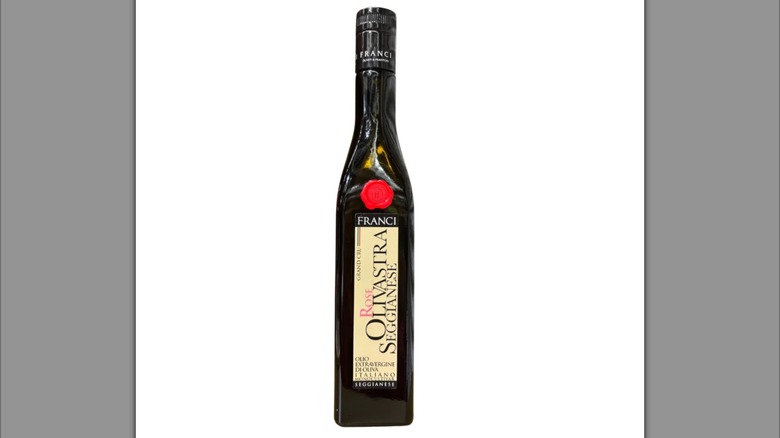
Just like there are finishing spices, there are also finishing oils. Frantoio Franci's Grand CRU Rose Extra Virgin Olive Oil is one such oil recommended by Giuliana Mackler. It's made from Olivastra Seggianese olives, a variety native to Tuscany that's typically known for its herbaceous qualities. Indeed, this oil (the second offering from Frantoio Franci on this list) is produced near Siena in the Tuscan village of Montenero d'Orcia. Mackler applauds the brand for its efforts to unearth unique flavors from olives by paying close attention to the health of the trees and by employing state-of-the-art milling technology.
Frantoio Franci sells a CRU series of monocultivar olive oils, with Rose being one of them. The fruits used to make this oil all come from a single grove of trees that are hundreds of years old, and Georgio Franci himself takes a hands-on approach in milling the oil. The resulting oil is extremely aromatic, with striking elements of rose petal. You might detect artichokes and bananas in the aroma, too. Meanwhile, the flavor is herbaceous and fruity, and it evolves from sweet to spicy the longer the oil sits on the palate.
According to Mackler, this oil is excellent on seafood (including oysters, fish, and shellfish), as well as salads, bitter vegetables, and desserts like ice cream and pastries. Don't hesitate to add it to mayonnaise, either.
Marina Palusci Alchimia Extra Virgin Olive Oil
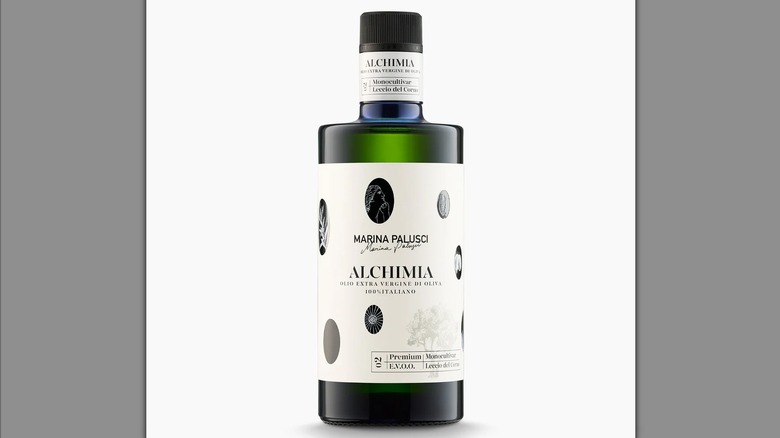
Another well-balanced finishing oil that might end up on your Christmas list? Marina Palusci's Alchimia Extra Virgin Olive Oil, as recommended by Giuliana Mackler. This monocultivar oil is made using Leccio del Corno olives, a variety grown throughout Italy. It's a late harvest oil produced in the town of Pianella, in the region of Abruzzo, from trees that are hundreds of years old.
Combining tradition with modernity in the best possible way, the family implements biodynamic, regenerative agricultural techniques that support soil conservation. The farm is neither far from the sea nor far from the mountains, and so the trees thrive in a microclimate grounded by limestone and clay soil. The farm has won many awards for its products.
Mackler encourages readers to search for flavors like chamomile, apricot, and other ripe fruits (like apples) in the Alchimia oil. She also notes that this rich oil can complement soft cheeses, ice cream, baked goods, and mild fish as well as shellfish in crudo. It's sweet, floral, and has a long, soft finish, so take the time to savor it no matter how it's served.