

8 Most Overrated Irish Whiskeys
Most Irish whiskey is hard to dislike. While it's a simple generalization, Irish whiskeys are usually smooth and easy to drink. Those features make it difficult to find bottles that are truly disappointing, but there are some out there that feel overrated. In some instances, popularity and reputation don't translate into an enjoyable drinking experience. At other times, it can be how an inflated price leads you to think you'll be enjoying something magical that turns out to be merely good. With all eight whiskeys here, there is a disconnect somewhere along the line between expectation and reality.
That doesn't mean the whiskeys here are bad; there are some that are genuinely impressive. It means that for some of these, I think you should avoid them, and for others, it's just wise to set expectations. Even though this list is based on my expertise and personal experience, I've tried to offer a fair and balanced view. For those looking to explore the world of Irish whiskey, here are eight bottles that arguably receive more praise than they deserve.
Proper No. Twelve
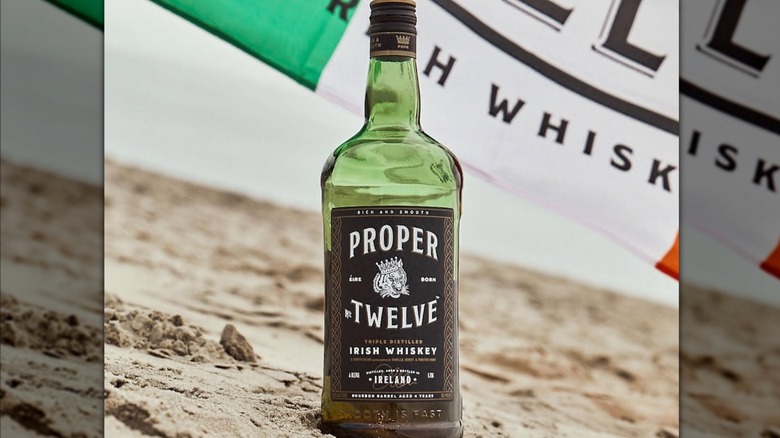
As you'll read here, I'm going to be fairly kind to most of the brands that follow, but this is an exception, as I think it's one of the worst whiskey brands in the world. That's mainly because its reputation has been mostly built on celebrity association and marketing rather than what's actually in the bottle. Proper No. Twelve was launched by MMA fighter Conor McGregor and gained popularity rapidly. McGregor is no longer associated with the brand, but there's no doubt he brought considerable attention to it. While the whiskey isn't undrinkable, there are many other simple blended Irish whiskeys out there that are cheaper and more enjoyable.
The flavor of Proper No. Twelve is relatively straightforward. There are light notes of vanilla, honey, and cereal, but there's little depth or complexity to keep things interesting. The finish is also fairly unremarkable and a little harsh. For mixing it into cocktails, it just about does the job, but there are better whiskeys for that, and drinking it neat isn't pleasant. I'm not the only one who feels it's a weak Irish whiskey brand, and there is little reason to buy it. At $23.99 on Total Wine, it's not going to be too harsh on your wallet, but you can find better for less.
Dingle Single Malt
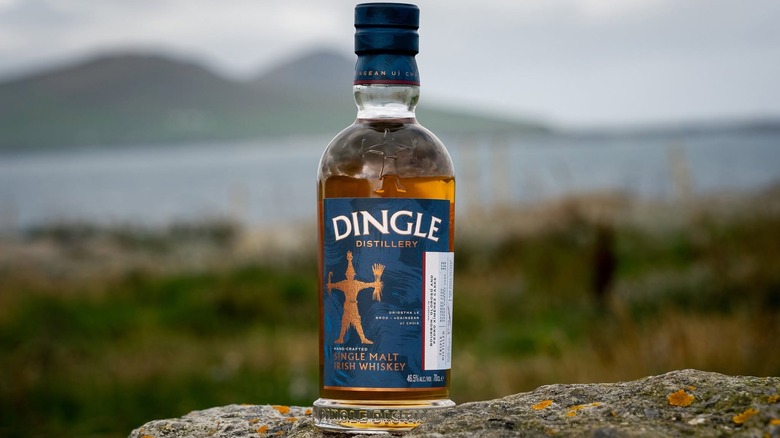
As I mentioned, I'm kind to most brands here, and Dingle is one of Ireland's more exciting newer distilleries, having only started distilling in 2012, which isn't a long time in whiskey terms. Yet, even in that short time, the reputation of its single malt has arguably gotten ahead of what's in the bottle. It's priced at $105.99 on Total Wine, but you can find it cheaper elsewhere, often around $70. Even at the lower price, it can struggle to justify the cost. As far as types of Irish whiskey go, single malts are a lot less common than they are in Scotland. It makes this bottle an intriguing one, especially as it has been matured in bourbon casks as well as those which have held oloroso and Pedro Ximénez sherry.
It's a relatively young, triple-distilled single malt bottled at 46.5% ABV. There's certainly nothing fundamentally wrong with the production, but the end result doesn't always justify the price tag. The palate has a unique combination of flavors with a little caramel sweetness along with apples and raisins. A faint touch of almonds and chocolate adds a wider range of flavors, especially with a little spice towards the finish. It's an interesting flavor profile, but I think it's a little too youthful. There is a rawness to the whiskey that feels a little rough when you may be expecting something more polished. Dingle is a distillery to keep an eye on for enthusiasts, but I expect more from a single malt in this price range.
Shanky's Whip
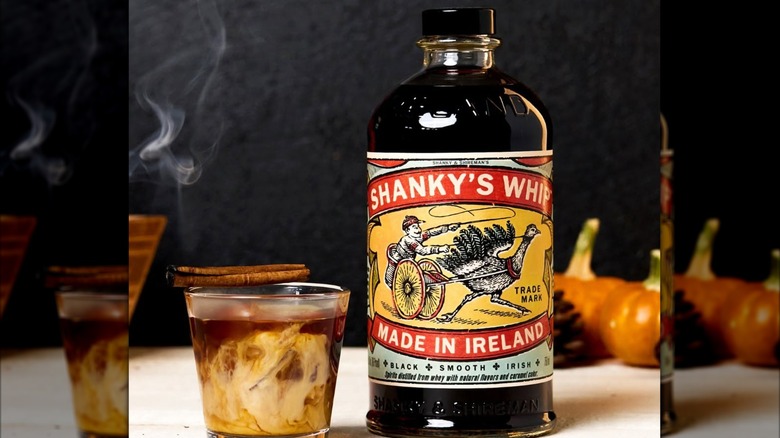
I wasn't sure whether to include Shanky's Whip as it's not a traditional Irish whiskey. But it's usually included in price pages alongside classic bottles and, at 33% ABV, has almost the alcohol content of regular whiskey. Technically, it's a whiskey-based liqueur combining Irish whiskey, grain spirits, vanilla, caramel, and cane sugar. While it does seem to have some popularity, there's a reasonable argument that its popularity owes more to its novelty and distinctive branding than to the quality of its contents. At $25.99 on Total Wine, it's not particularly cheap for a liqueur either.
The nose is dominated by sweet aromas of toffee, vanilla fudge, butter, and cinnamon. They may sound nice, but there is a shallowness to those aromas that you don't get with a well-made Irish whiskey. On the palate, there is creamy vanilla, caramel, milk chocolate, and baking spices. Again, these are pleasant flavors, but not only do they lack depth, but the sweetness overwhelms much of the underlying spirit. The lack of complexity makes it difficult to justify as a purchase beyond a novelty. It's a little fun, and it's not going to hurt your wallet too much, but don't expect a well-crafted Irish whiskey.
Tullamore D.E.W 14-year
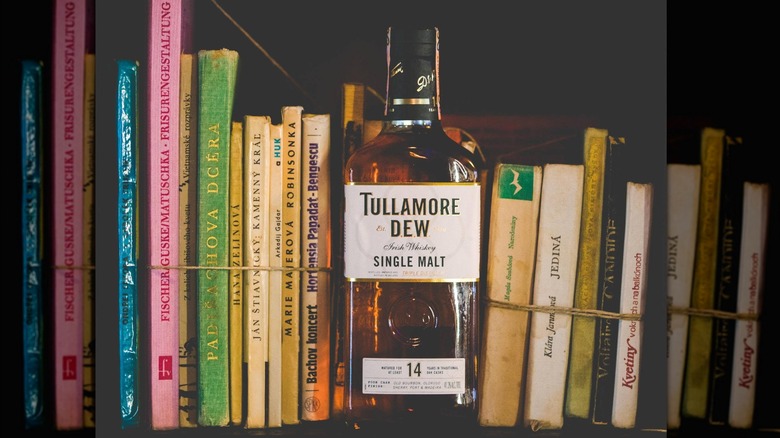
It's common for a whiskey brand to have a progression of age statements, especially in Irish and Scotch whiskies. For Tullamore D.E.W., that comes from having an entry-level flagship bottle and 12-, 14-, and 18-year bottles. This increase in age also comes with a progression in the cost of those bottles, and with that, you expect an improvement in quality. The range also changes styles: The 12-year is a blend, while the 14-year is a single malt. I'm a fan of both the 12-year and 18-year bottles, but it feels to me like the 14-year sits in a no man's land. It's not really better than the 12-year bottle, but it has a vastly inflated price tag, with it being $94.99 at Total Wine.
It benefits from a combination of bourbon, Oloroso sherry, Port, and Madeira cask influences, but ends up being more interesting on paper than it is in the glass. There is a creamy malt on the palate, and you can enjoy some other notes such as red grapes, apple, vanilla, oak, and baking spices. The finish has a nice sherried sweetness, and it's a good whiskey. However, you're left wishing for more depth in a whiskey of this age. It feels a little safe, a little boring. You want a reason to spend more than you would on the 12-year; I can never find that reason.
Teeling Blackpitts
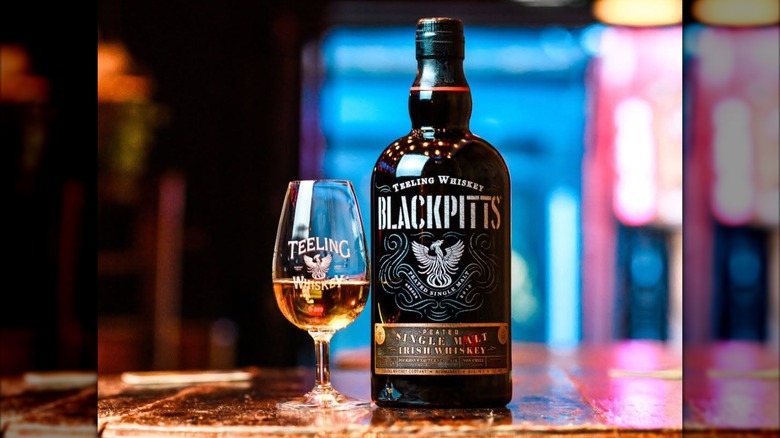
I'm a fan of Teeling and think its Small Batch bottle is one of the best options for an Irish whiskey beginner. But not every brand can hit a home run with every release, and Blackpitts isn't a bottle I'd recommend. That's a shame, as I'm a huge lover of peated whiskey. The use of peat in the production process can bring about intense smoky flavors, but it's easy to get wrong. I feel like a bit of a hypocrite here, as I just criticized a whiskey for playing it safe. Teeling has tried to do something different, but it's a swing and a miss. It's a fine line, and as I mentioned before, no distillery ends up batting a thousand, to continue the baseball references.
The nose is great, as you get a mix of earthy smoke, spice, and peat along with some sweeter notes. As you start to taste it, the smoke ends up feeling a little subdued. It almost feels like the difference between well-smoked meat and one that has been simply burnt. The smoke is there, just not in the way you want it to be. It would still be worth seeking out if it were an affordable bottle, but at $81.99 on Total Wine, it's anything but. At that price, it's competing against the best peated single malt Scotches. It's a competition; it loses badly.
Blue Spot
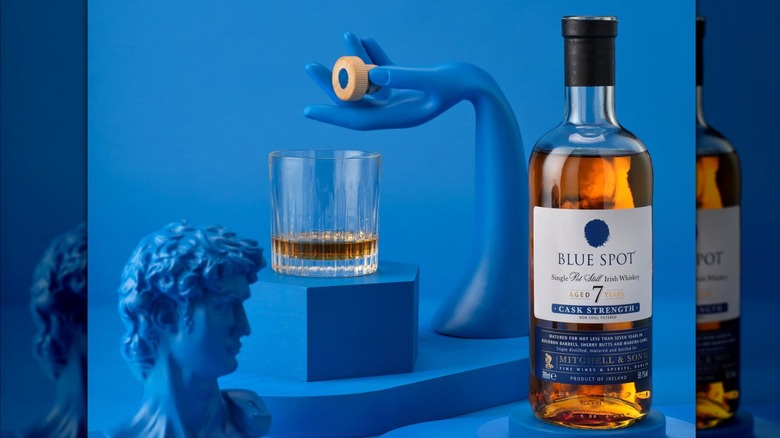
The last three whiskeys in this list are all genuinely good, and if you get offered a glass from a very generous friend, you should be excited. However, all of them share the same issue: they are too expensive for what they are. With Blue Spot, ideally, you want to be paying a little over $100, but prices can run much higher due to demand and limited allocations. Total Wine has it listed for $329.99. The whiskey is overrated for what's inside the bottle.
The whiskey itself is quite unique. It's a 7-year-old, single pot still whiskey that has been bottled at cask strength. Further intrigue comes from its maturation in a combination of bourbon barrels, sherry butts, and Madeira casks. Starting with a nose packed with tropical fruit, the palate delivers much of that fruit on a creamy vanilla mouthfeel. Spice comes from cinnamon and black pepper, with further depth of chocolate and toasted oak. It will appeal to anyone who enjoys more powerful flavors, but with just seven years of aging, those flavors do have a slightly harsh edge. As with a few bottles in this list, at this price, you'd reasonably expect something a little more special.
Redbreast 18-year
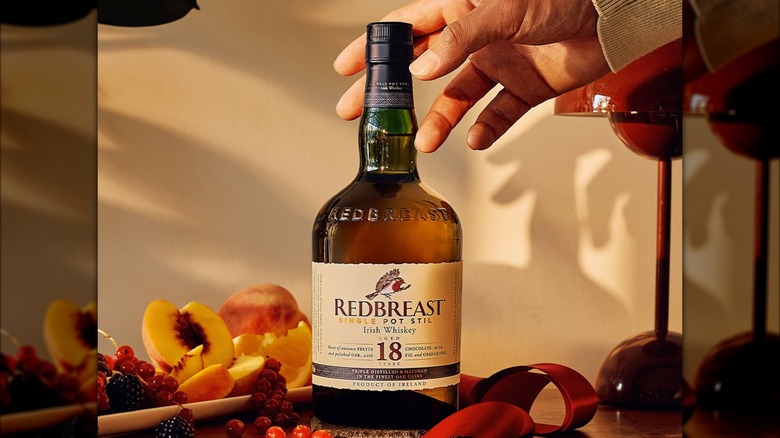
Out of all the whiskeys in this list, this is the best one I've tried, so why is it here? As you may have guessed by now, it's a cost issue. The 12-year-old Redbreast is also a great whiskey and comes in at a reasonable $53.99 on Total Wine. On the same website, the 15-year is $139.99. That is a big jump, but the step up to the 18-year bottle on Total Wine is even more dramatic at $244.99. The average cost of these bottles on other websites is very similar, so there are no anomalies here. Matured for 18 years in a combination of ex-bourbon, Oloroso sherry, cream sherry, and ruby port casks, you expect it to have a premium cost, but not quite to this level.
For comparison, the Jameson 18-year bottle is $164.99. If you have an unlimited budget, it's an impressive whiskey. You can expect a rich array of fruits here, including cherries, blackberries, and sultanas. The mouthfeel is rich, delivering deep caramel with a range of spices and earthy notes such as oak and hazelnut. There's little doubt that this is a good whiskey, but at around $250, expectations are understandably high. You can get better for less, and that is the fundamental issue.
Midleton Very Rare
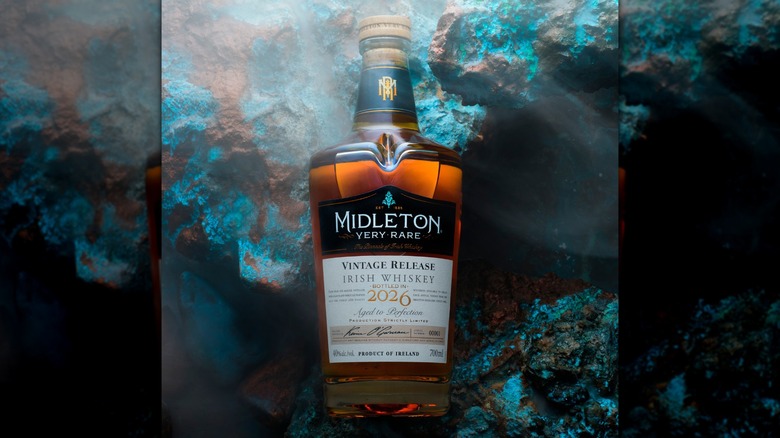
I end with another whiskey where it's important to temper your expectations. Yet, this is a little more complicated as Midleton Very Rare is an annual release that can change from one year to the next. The 2026 release gives you sweet notes of honey and butterscotch, balanced by warmer flavors of cinnamon, ginger, and oak. Chocolate, citrus, and a range of other fruits help give it depth, and there is no doubt about the craftsmanship involved. Whether the finished product justifies its considerable price is another matter. The only bottle listed on Total Wine is the 2024 edition at $249.99.
That price is actually on the cheaper end, as these bottles usually sell on secondary markets for closer to $400. A part of the reason for that is that the appeal goes beyond what's inside the bottle. The prestigious name, annual collectability, and luxury positioning can all blind you to what really matters. It's one of the best Irish whiskeys for a reason for those with deep pockets. For most others, there is a whole world of exceptionally good Scotch single malts and premium Irish alternatives that are still expensive but deliver much greater value.
Methodology
For this list, I mainly looked at Irish whiskeys I wouldn't recommend spending your money on. That could be due to one of several reasons, such as a disappointing flavor profile, poor value, or expectations that can't be met. This means that price and availability were important considerations, particularly where a premium whiskey has no noticeable improvement over affordable alternatives.
I've spent many years tasting, studying, and writing about whiskey, and all of these selections come from that personal experience. Some of these selections are good dramas, but I believe all of them deserve to be here for one reason or another. Ultimately, the list reflects a gap between what you're paying or expecting and what you actually get in the glass.