

12 Fall Baking Ingredients That Aren't Pumpkin Spice
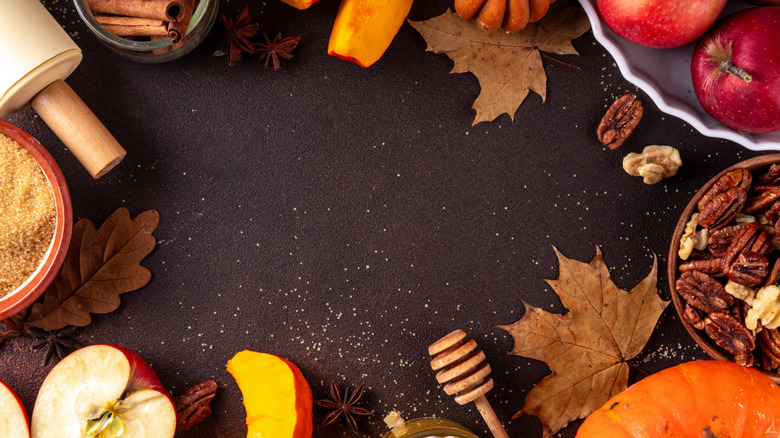
When Labor Day arrives and the leaves start to change color, everyone knows that a special time of year is upon us — pumpkin spice season. Yes, this flavor has become so ubiquitous that it is now shorthand for an entire season, not just a category of recipes. You will find countless pumpkin spice products on store shelves in the period between Labor Day and Thanksgiving, but that doesn't mean you have to follow the ever-escalating trend and bake nothing but pumpkin spice recipes. Fall yields some of the most delicious fruits and vegetables of the entire year and inspires the use of ingredients that are warming, comforting, and filling.
Some of the foods you can use are associated with sweater weather because that's when they are harvested — apples, pears, and pecans, for example. Others have simply become associated with the season through marketing and tradition, such as maple syrup. In every case, however, these ingredients will add that ineffable autumnal feel that can be difficult to describe but is unmistakable to the palate.
To compile this list of alternative fall flavors, I considered seasonal fruits and vegetables, foods that feature heavily in autumnal festivals and products, and drew on my experience with pastry training and baking. So, dust off your cookbooks and get a pen and paper ready to write a shopping list. It's pumpkin spice season, without the pumpkin spice.
1. Apples
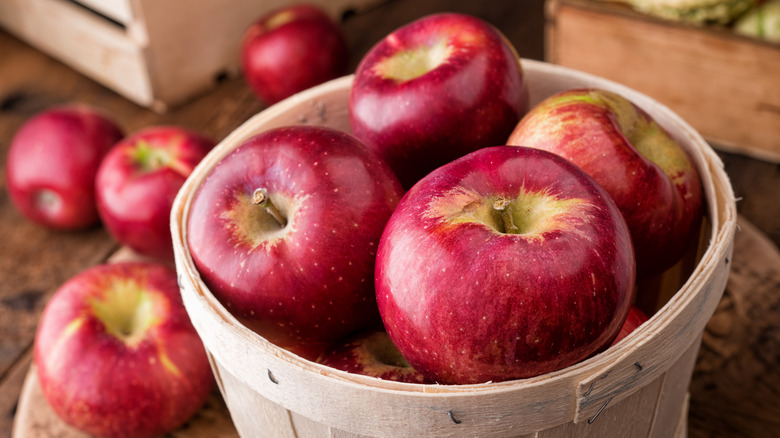
Apples are crisp and refreshing, which might make them the ideal fruit for a hot summer's day, but they are actually harvested primarily in the fall, from the end of August until late October. Fresh apples are delicious year-round, of course, but there is something about a baked apple that feels quintessentially autumnal. That sweet, slightly tangy flavor mixed with cinnamon will warm you from the inside out, whether you're eating an apple pie or an apple babka.
There are over 7,000 apple varieties out there, but luckily, you don't have to know all of them to pick the one that's best for your purposes. As a jumping-off point, Cortland, Granny Smith, and Baldwin are some of the best apple varieties for baking, so keep an eye out for them in the grocery store. There are countless fall apple recipes, but we're partial to our Dutch apple pie, which uses a special Dutch spice mix called speculaaskruiden that contains cinnamon, cloves, nutmeg, and ginger. In other words, it's close to a classic pumpkin spice blend, but the recipe still allows that caramelized sugar and floral notes of the apple to dominate. No matter what apple recipe you choose, make sure the fruit itself takes center stage.
2. Maple syrup
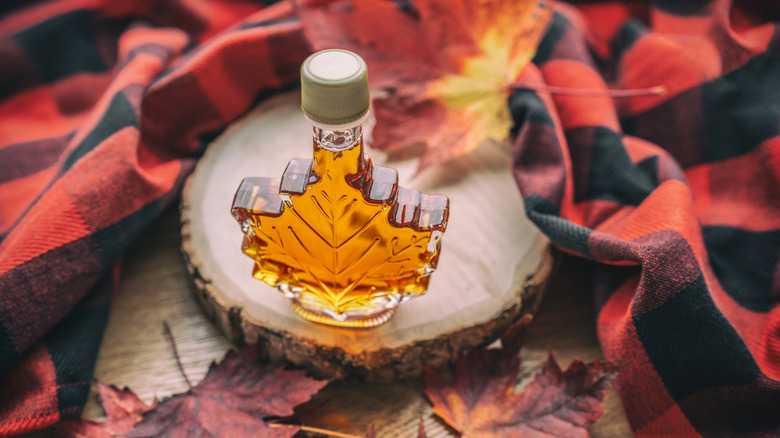
Despite being associated with fall, maple syrup is actually harvested in the spring. How it became one of the ultimate scents and flavors of autumn is unclear, but, like pumpkin spice itself, it probably has to do with cultural traditions. There is no end to the ways you can incorporate maple syrup into your baking beyond drizzling it over pumpkin and pecan pancakes. It can be used as a sweetener in everything from muffins to cookies, and you don't even need to use a recipe that calls for it. When substituting white sugar with maple syrup, I like to use half brown sugar to avoid having to adjust the liquids in the recipe. Maple syrup and sugar have similar levels of sweetness, so simply swapping white sugar with half maple syrup and half brown sugar — which hits a similarly caramelized, earthy register — will yield comparable results.
If you are baking with maple syrup, it's best to use a dark variety. Like vanilla, maple syrup contains certain compounds that break down during the baking process, which means that it's best to use the stronger-tasting dark maple syrup for baking rather than its lighter counterparts. It's also worth noting that maple-flavored syrups that are made mostly with corn syrup will not yield the same results as pure maple syrup. In fact, the sweetness in corn syrup degrades with baking, leaving you with an artificially tasting maple flavor and less sweetness than you expected — the worst of both worlds.
3. Root vegetables
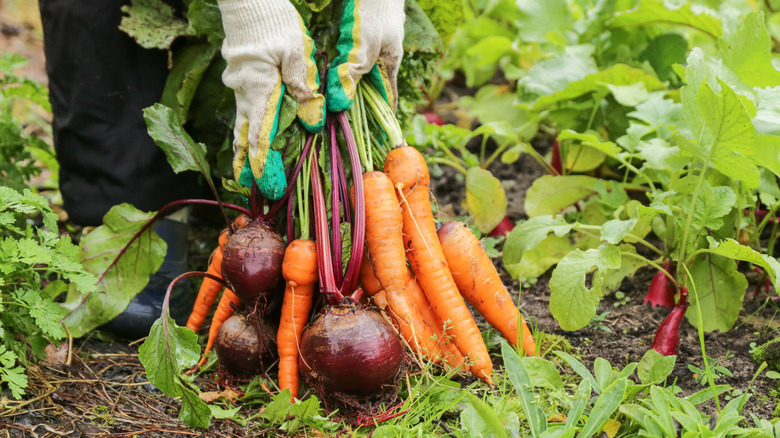
Fall is root vegetable season, which means that there's no better time to get creative with all things sweet potato, parsnip, turnip, and beet. The simplest option is to just make roasted root veggies your go-to side dish for the season, but thanks to their natural sugariness, many root vegetables can also be used in sweet bakes. For example, you might think of beets as a salad ingredient, but they are also the source of 20% of the world's granulated sugar, per the European Commission. Blending beets into brownie or cake batter will make the final product rich and earthy with a luxurious reddish undertone.
Carrots have a long tradition of being used in cake, but if you want to mix things up a bit, you can substitute them with parsnips. Because they are slightly lower in sugar than carrots and have a spicy sharpness, I usually balance them with a bit more granulated sugar or spices.
Sweet potato is probably the most obvious root vegetable to incorporate into your fall ingredient line-up because it makes an excellent substitute for pumpkin puree. I am more than willing to argue, in public, that it's even better for baking than pumpkin because it has a creamy, starchy texture and a sweeter, earthier flavor. Look no further than our simple sweet potato pie recipe for proof of its superiority.
4. Brown sugar
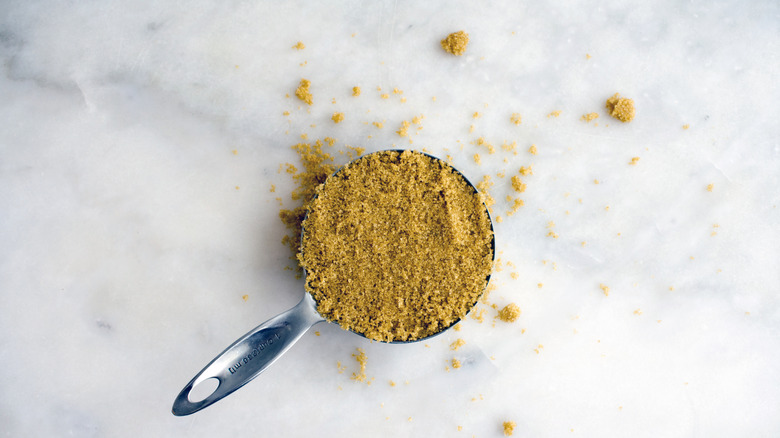
One of the simplest ways to switch a summery recipe to a fall recipe is to swap regular sugar with brown sugar. The ubiquity of standard granulated sugar has turned it into an almost generic sweet flavor. In contrast, brown sugar has a caramelized depth and earthiness that makes it akin to a spice or an extract when used in baked goods. It's made by mixing regular granulated sugar with molasses, which adds color and light bitterness to the pure sweetness. Light brown sugar contains about 3.5% molasses, whereas dark brown sugar contains around 6.5%.
Recipes with bright, delicate flavors like lemon or raspberry will either clash with brown sugar or be dominated by it, but the spicy, earthy flavors of fall are its ideal partners. Root vegetables, warming spices, and nuts all complement the deep, caramelized flavor of brown sugar. Seek out those ingredients when looking for ways to incorporate more brown sugar into your baking. Use it instead of white sugar in apple pie and chocolate chip cookies or make it your default sweetener for spice cake. Boost the caramel flavor of maple syrup by putting brown sugar in your pancake batter.
Keep in mind that the molasses content adds moisture, which is usually a good thing for cakes but may not be ideal for certain recipes, like biscotti or pastries. You may also want to add a little extra baking soda to balance its higher acidity.
5. Fresh ginger
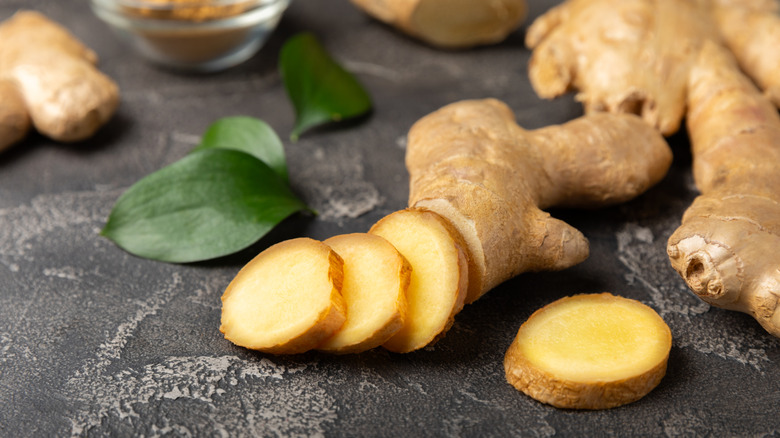
Ground ginger features heavily in fall recipes, and a lot of pumpkin spice blends contain it, but fresh ginger adds a new level of intensity. Where ground ginger has a blunt, intense warmth, fresh ginger has layers of flavor and sweetness that can make all the difference in a recipe. An obvious difference between the ingredients is that fresh ginger has moisture, which means it is not a simple substitute for its dried and ground alter ego. In wet batters, such as cakes, its moisture is an advantage, but in others, such as certain cookie recipes, it shouldn't be added without considering the increased water content.
Adding grated fresh ginger to carrot cake or pumpkin bread contributes a hit of heat and texture with each small strand. A little goes a long way. Four ounces for a standard loaf or single layer cake is plenty. If you're making a recipe that has a smooth, custardy consistency, such as pumpkin pie filling, puree the ginger instead to avoid unwanted lumps.
6. Butternut squash
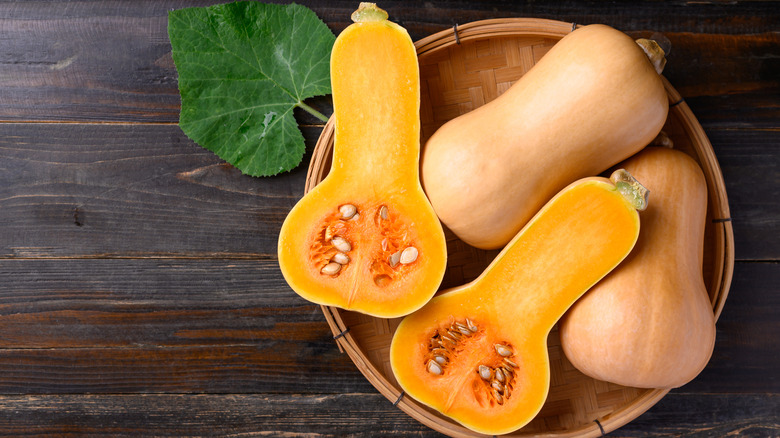
Pumpkin gets all the love during the fall baking season, but don't forget the other squashes that are being harvested then, too. Chief among them is butternut, which is, as its name suggests, nutty, buttery, and sweet to boot. Where pumpkin is so watery and bland that many products labeled as canned pumpkin are actually made with a variety of sweet winter squashes, butternut squash doesn't need any help from its winter squash cohort. And if you purchase a whole squash, you have control over how it's prepared before it goes into your bakes.
Instead of simply boiling or steaming it before pureeing it, I also take the time to roast it. This will caramelize its natural sweetness and enhance its delicious nuttiness, all while removing moisture. The result is a decadent flavor and thick texture that is ideal for substituting into recipes that call for pumpkin puree. I think most ingredients taste better when they're freshly made, and freshly roasted butternut squash puree is no exception. You may even find that you want to back off on some of the spices to let the squash and all its layers of sweet, nutty luxuriousness take center stage.
7. Pecans
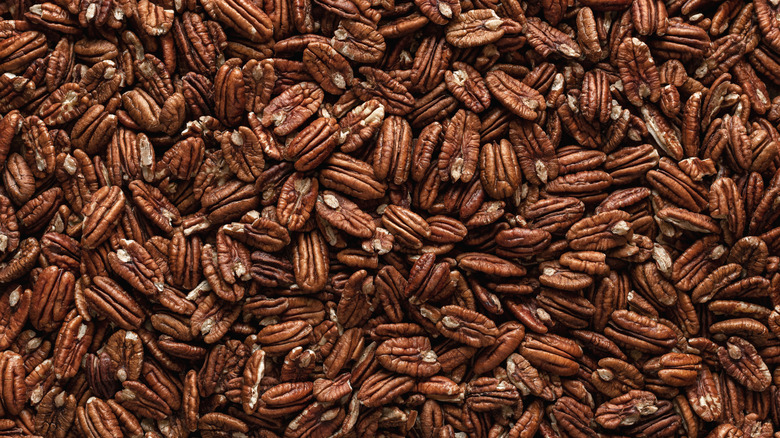
Harvesting seasons are often associated with fruits and vegetables, but nuts have seasons, too. In the American South, pecans are harvested in the fall, which is probably why their buttery flavor is associated with the colder months of the year. Incorporating nuts into baked goods is one of the easiest ways to upgrade a recipe, so if you're looking for a quick autumnal hack, simply pick up a bag of pecans the next time you're at the store. It can be as simple as chopping them up and distributing them in pumpkin bread batter or decoratively dotting them on top of cream cheese icing.
For a more creative angle, I like to incorporate them into crumble toppings and use them instead of flour to make an extra buttery, nutty tart shell. One of the greatest gifts you can give yourself when working with pecans is roasting them. You might think there's no point toasting them beforehand if you're just going to bake them in a pie or cake anyway, but trust me, the browning and caramelization that takes place during the dry roasting process produces a rich, toasted nuttiness that you won't get if you simply add raw pecans to the recipe. Plus, it keeps them crisp and crunchy even after they're added to the batter.
8. Oranges
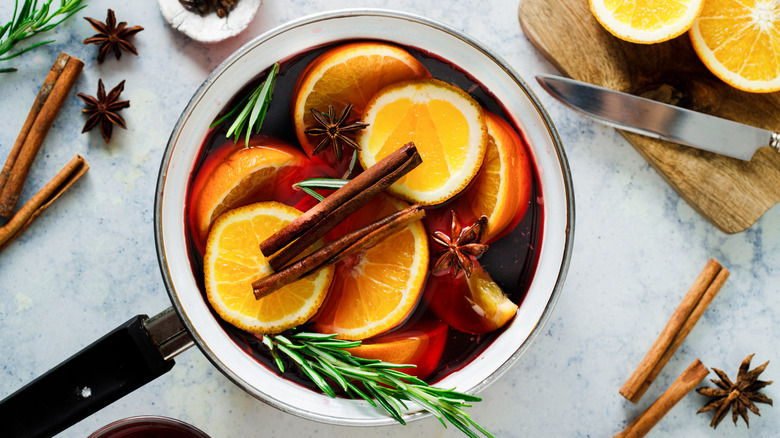
Harvested in the late fall and winter, oranges add an unlikely bright, zesty flavor to autumnal dining. With their vibrant color and citrusy sweetness, they are often associated with sunshine and summer, but once you start incorporating them into cold weather bakes, you'll recognize just how versatile this vitamin C powerhouse really is. Unlike apples and pears, oranges are rarely added directly into batter, though they do add an eye-catching flair to upside-down cakes. Mulled wine and dry apple cider recipes often call for orange slices to perk up the sweetness of the fruit and warmth of spices, but when it comes to baking, the zest is really where the magic happens.
Add orange zest to pumpkin pie for an unexpected zing to cut through the custard. Add it to carrot cake, gingerbread, and whipped cream. Oranges even elevate chocolate recipes, turning decadent festive treats into sophisticated works of culinary art. For an especially citrusy edge, skip juicing and zesting altogether and simply add an entire pureed orange into chocolate cake batter. Last but not least, use marinated oranges to elevate simple desserts, whether you're laying them decoratively atop a pumpkin pie or sandwiching them between luscious layers of spice cake. Just make sure that they are soft enough to be easily sliced with a knife. No one wants chewy, stringy citrus getting in the way of a silky pie filling.
9. Cranberries
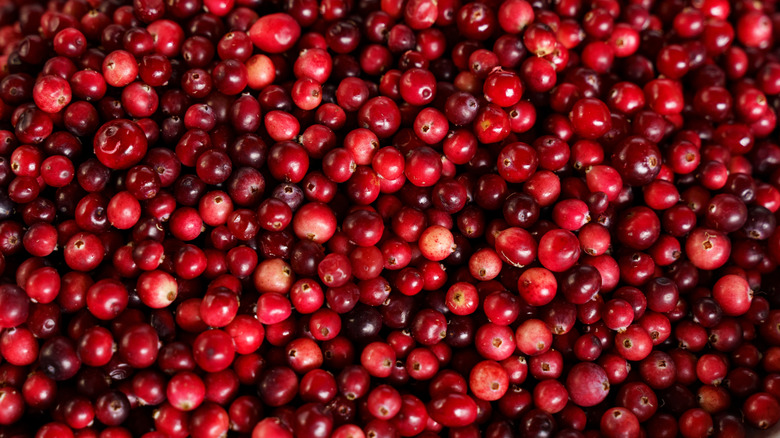
Cranberries have so much more holiday potential than the polarizing Thanksgiving side dish that makes them famous. While it's true that they are nowhere near as sweet as most other fall fruits, the possibilities are endless once you add a large helping of sugar. Their jaw-seizing tartness is a boon when you're incorporating them into baked goods. While many fruits disappear behind spices, vanilla, and other flavorings, cranberries erupt through every bite, delivering a sharpness and clarity that few other flavors can achieve.
There are many fall cranberry recipes to try, from ones that revolve around this intense little fruit to ones that use it merely as an accent. One of the most delicious and seasonal pairings is cranberry and pumpkin. Even the most balanced pumpkin pie recipe can be a bit blandly sweet for some, but adding a tart cranberry glaze will change that reputation entirely, not to mention add a stunning stained glass window effect. You can also turn cranberries into jam, juice, powder, and candied berries, all of which can be used as layers and garnishes in baked goods.
10. Browned butter
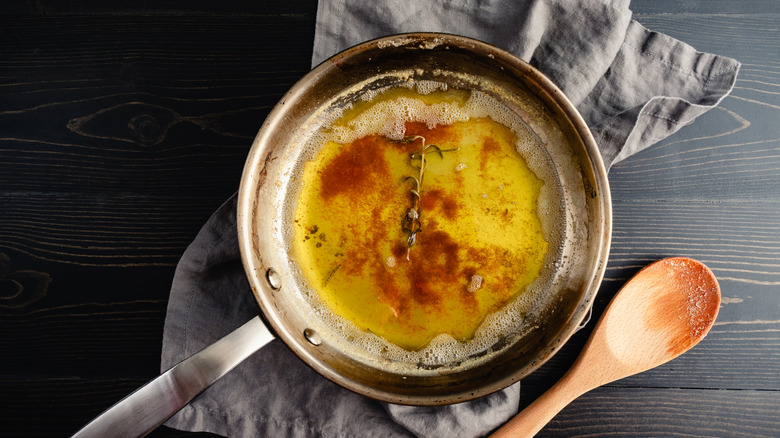
There is something distinctly comforting about recipes made with browned butter. The process can be a bit tricky — it's all based around low heat and careful timing — but the ingredient itself is so simple. If you have a recipe that calls for fat, all you have to do to make it taste nutty and caramelized is replace the oil with browned butter. Chocolate chip cookies, brownies, cake, cornbread, and, my personal favorite, granola, all taste richer and nuttier with brown butter, and it's all thanks to the Maillard Reaction, the process in which sugars and amino acids are heated to 280 to 330 F. During this process, new flavor compounds emerge. Think of roasted nuts, toasted bread, and freshly roasted coffee beans.
These new flavors pair beautifully with sweet recipes and add that undercurrent of comfort and warmth that defines many fall foods. In fact, if you're tired of pumpkin spice and baking spices in general, making a recipe with browned butter and brown sugar will produce a rich, nutty flavor to rival even the most luxurious of spice blends.
There are a few scenarios where you should not use browned butter, such as when the butter is used for lamination or rise in pastry dough. Interestingly, the surest sign that brown butter will be an easy substitute is recipes that call for oil, lard, or shortening. Browning causes the water content in butter to evaporate, rendering the ingredient more similar to oil than butter.
11. Pears
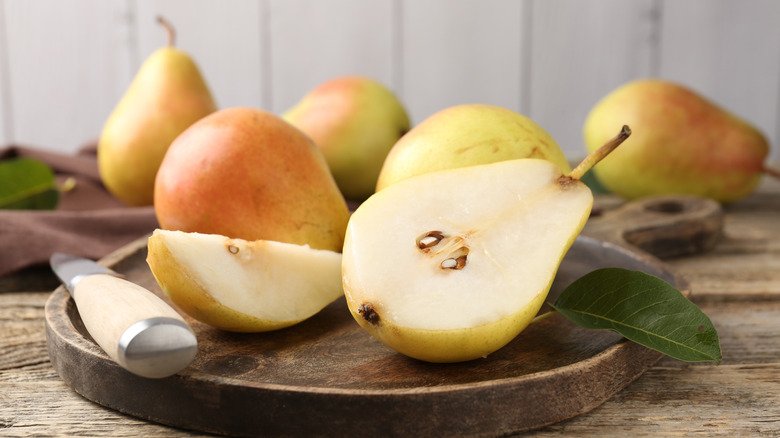
For some of us, fall is pear season, not pumpkin spice season. There is no other ingredient like this creamy, perfumed fruit. They might not have the tartness of cranberries or the zesty kick of oranges, but where else can you find something that tastes exactly like flowers smell? Because of the fruit's relative subtlety, the best pear recipes are all about the pears. If in doubt, opt for the simplest recipes, such as poached pears, pear tarts, and pear clafoutis. The worst thing you can do when baking with pears is bury them under spices, nuts, chocolate, or any other powerful ingredient. Now is not the time for maximalist baking.
Where other fall flavors are intense and heavy — be they pumpkin spice or festive layers of creamy cakes and custards — pears offer a much lighter, more delicate alternative. If you add them to a dark chocolate bourbon cake, you may as well be throwing them into the void. Even apples will drown them out. This might not make them the most exciting or decadent of fall ingredients, but it does make them (and the baked goods you make with them) a rare and welcome contrast to the usual suspects.
12. Cardamom
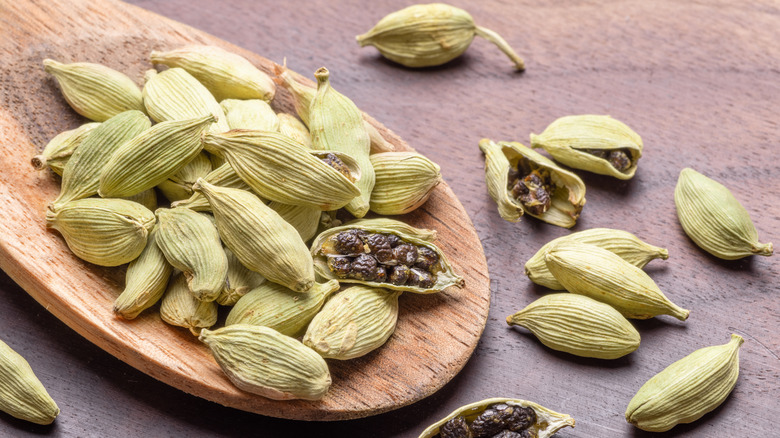
It's strange how overlooked cardamom is during the holiday season when warming spices are so ubiquitous. You can't walk more than a few steps into a supermarket in October without seeing at least one pumpkin spice product. Still, within all those proprietary blends of cinnamon, ginger, cloves, nutmeg, and allspice, you will struggle to find a single mention of cardamom. This oversight works in your favor when you're looking to change things up. With its warming, citrusy flavor, cardamom is arguably even more well-suited to fall than pumpkin spice. It even has hints of pine, making it all the more seasonal around the holidays.
Incorporating it into your recipes is easy, too. Add it to your pumpkin pie recipe for an unexpected variation. Blend it into whipped cream for garnishes. Make cardamom buns instead of cinnamon rolls. One way to double up on alternative fall flavors is to combine pears and cardamom. Although pears can be easily overwhelmed, the light complexity of cardamom and the floral notes of the fall fruit are a match made in heaven. For another layer of flavor, opt for black cardamom. Its smoky flavor makes it more common in savory stews than sweet bakes, but when used sparingly, it can revolutionize ginger cookies and give a stunningly complex layer to a rich chocolate cake.