

5 Disadvantages Of Using A Food Processor
Food processors can make quick work of tedious meal-prep chores like chopping vegetables, shredding cheese, slicing potatoes, puréeing dips, and more. Larger models are especially useful when cooking for a crowd or tackling recipes with mile-long ingredient lists, figuratively speaking. But despite all that convenience, a food processor isn't always the perfect kitchen companion. The appliance's bulky size, parade of accessories, sharp blades, cleanup requirements, and tendency to over-process food can create drawbacks, especially when you're using it for a small or simple task. There's also a bit of a learning curve involved, begging the question of whether it's really saving time and when another kitchen tool may be a better fit for your needs.
The potential drawbacks don't necessarily make food processors a bad investment. For some cooks, it can be one of the most useful tools in their meal-making arsenals. But before giving this small kitchen appliance permanent residence in your cooking space, spend some time exploring the following five disadvantages of using a food processor.
Food processors can clutter counter and storage space
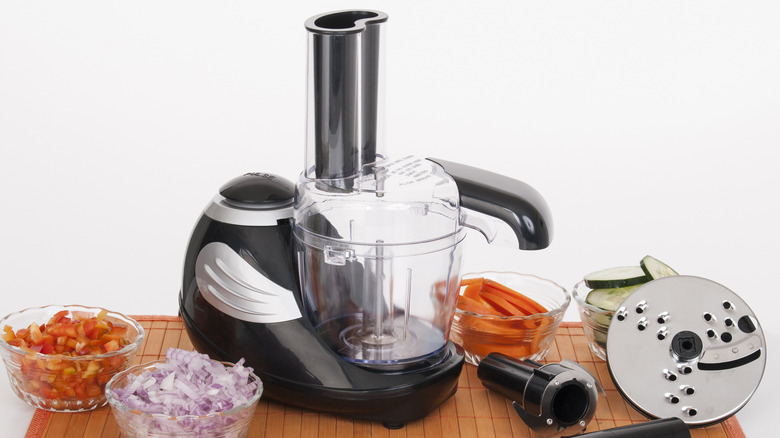
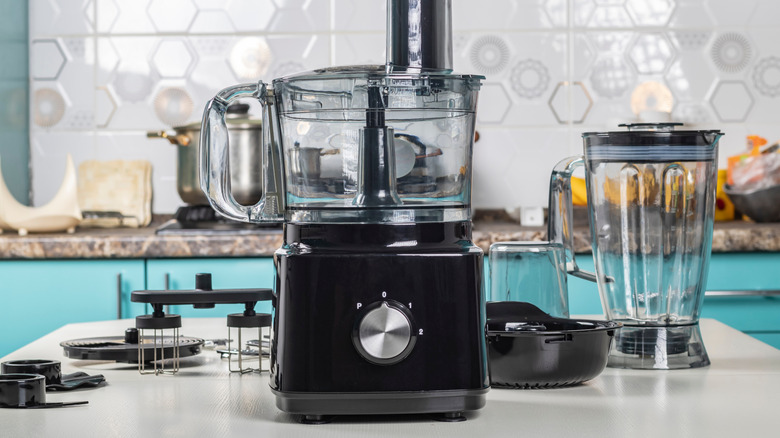
A full-size food processor demands a considerable amount of countertop or cabinet space, especially when including the bevy of blades and accessories helping the machine do its job. In addition to the motor base and work bowl, many models come with separate components designed for different tasks. For example, a 13-cup model can include a multipurpose blade, an adjustable slicing disc, a reversible shredding disc, a dough blade, a dicing kit, food pushers, and other handy additions.
That versatility is one of a food processor's biggest advantages, but all those pieces need a dwelling place when dinner is over. When cabinet space is limited or countertops already hold daily-use small appliances — like air fryers, espresso machines, and sparkling water makers — finding space for a bulky processor can be challenging. Some larger processors now include storage caddies specifically designed to hold blades and discs inside the work bowl when the machine isn't being used, so that could be worth considering when purchasing a new machine.
Size can also create a practical dilemma. While a food processor might take up valuable counter real estate, storing such a heavy appliance in a low or high cabinet can be inconvenient. The struggle of pulling it out makes it less likely that you'll use it to grate cheese or chop onions. Smaller food choppers solve some of these problems, but they often sacrifice the high-end functions that make food processing appealing in the first place.
Cleaning a food processor can be more work than the food prep itself
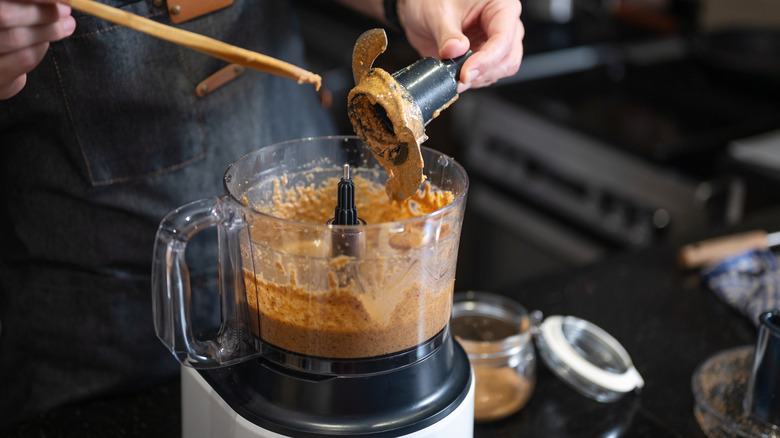
A food processor might chop bell peppers or whip up creamy guacamole in seconds, but unfortunately, it can't poof away the debris left behind. Depending on what kind of ingredients you've processed, cleanup can involve the work bowl, slicer, disc, blades, lid, food pusher, and other components. You'll need to disassemble the machine and its parts in order the reach all the nooks and crannies in which food can hide.
Small particles may collect inside or around blades, handles, and locking mechanisms, requiring a special small brush to set them free. Sticky ingredients such as dough, nut mixtures, cheese, and thick sauces can make cleanup even more tedious. The motor base and electrical cord often get splatters and spills as well, so you'll need to wipe them clean each time – without dunking them in liquids. Many modern machines come with dishwasher-safe components, but washing instructions vary by machine, and some parts may need to be placed only on the dishwasher's top rack.
All this effort may seem justified when the food processor has saved you loads of time in food prep — but less so when only chopping a handful of ingredients. Even the absolute best food processors can require a great deal of cleaning. In that case, a simple knife and cutting board starts to look pretty good.
It's easy to over-process food and ruin the texture
Food processors work quickly — sometimes too quickly. When chopping by hand, you can see the size of every cut as you make it, but inside a food processor, ingredients can go from chunky to finely minced to hopelessly mushy within in matter of seconds. That's great if the intent is puréeing for creamy soups, sauces, dips, and spreads, but it's not so pleasant otherwise.
Fortunately, most food processors come with settings for intentional purées, plus a very useful pulse function that chops in shot bursts so you can pull the proverbial plug before over-processing happens. Once you're familiar with the machine, you'll get a better sense of how many pulses different foods need. Until then, it's usually safer to stop early, check the texture, and only process a little more if necessary. You can always make food finer; it's literally impossible to turn vegetable mush back into evenly chopped pieces.
It's not just vegetables that need special care. When mixing cake or cookie batter, any nuts and fruits involved should be minimally processed to avoid over-chopping. Even something as simple as making breadcrumbs can mean watching the bowl very closely to ensure coarse crumbs instead of powder. With all the settings, options, knobs, buttons, attachments, and ingredient-specific nuances, there's a definite learning curve when using a food processor.
The sharp blades require careful handling
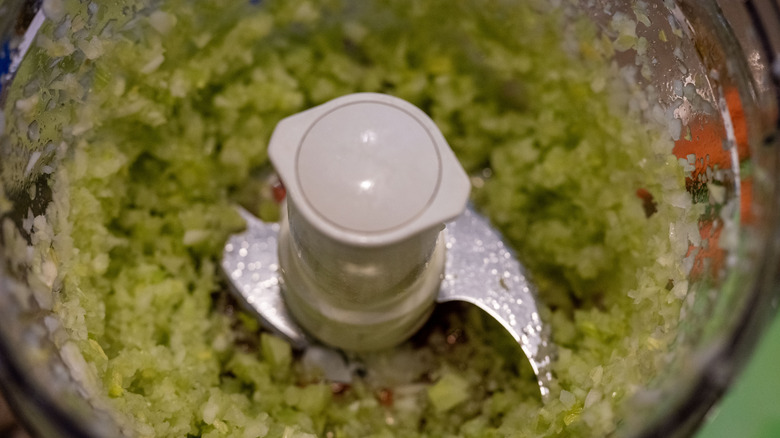
A food processor's ability to slice and chop so quickly comes from blades designed to be super sharp — which means those same parts require extra caution whenever handling them. The risk isn't limited to the few seconds when the processor is actually turned on and running. You also must take care when installing or removing a blade, emptying the work bowl, washing the components, and putting everything away.
Manufacturer operating instructions typically warn users to keep fingers away from the opening, use the food pushers instead of hands to move ingredients toward a rotating blade, and wait for the blade or disc to completely stop before removing the lid. Cleanup needs extra attention because food can become lodged around a blade. Reaching inside to remove a stubborn piece isn't a good idea, so you need the right kind of cleaning brush for setting particles free while keeping fingers far from the cutting edges.
Storage matters, as well. Loose slicing and shredding discs tossed into a crowded kitchen drawer can be hazardous, so you should choose a model with a dedicated storage caddy for those sharp cutting surfaces. Modern food processors come with safety mechanisms for preventing the machine from working unless the bowl and lid are correctly assembled, but you'll still need to handle sharp blades very carefully.
A food processor isn't the right tool for every kitchen job
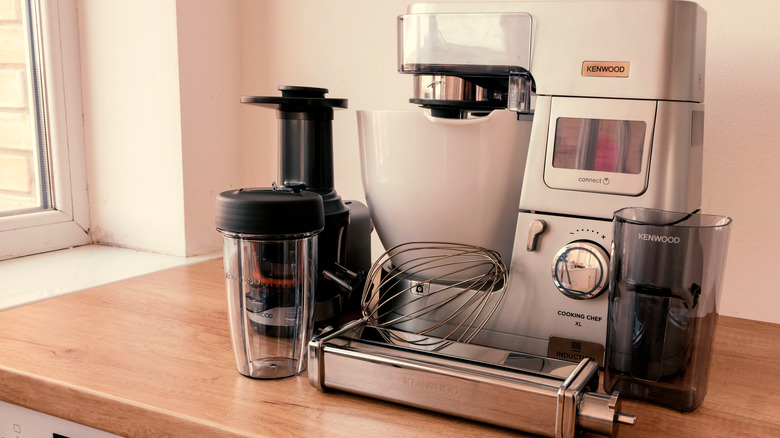
For an appliance that can chop, shred, slice, purée, mix, and sometimes knead, a food processor is undoubtedly versatile — though not necessarily universal. Some ingredients simply aren't compatible with certain food processors, including coffee beans, animal bones, bread dough, tough meats, and hard spices. Usually, the blades and motors aren't designed to handle those types of textures; for example, grinding coffee beans in a food processor is likely to produce inconsistent ground sizes, which can wreak havoc on certain brews.
As noted before, a full-sized processor can feel excessive for small jobs. Setting up a large work bowl and blade may save little or no time after cleanup is considered. In fact, some folks believe there's simply no need for a food processor at all anymore. Mini food choppers exist specifically to facilitate smaller quantities and can offer more control for quick jobs, so keep that in mind when perusing the type of machine you actually need and want. You can also discover other options with these 12 best vegetable choppers, according to online reviews.