

Here's How Much You Should Spend On Good Pinot Noir In 2026
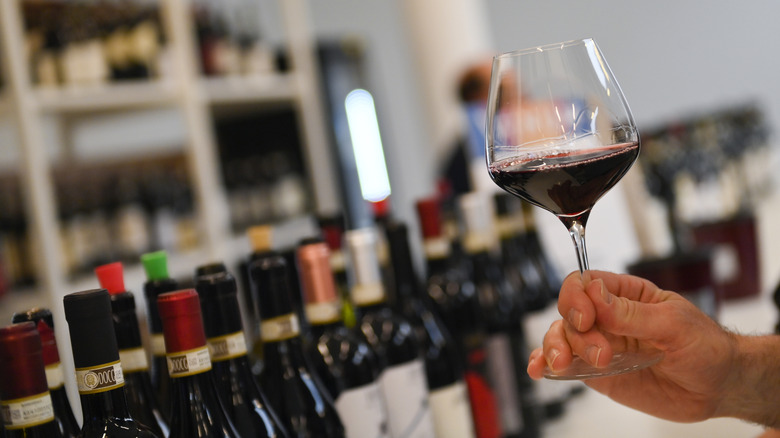
If you ever had the pleasure of watching the 2004 wine-tasting bachelor trip movie "Sideways," you may remember lead actor Paul Giamatti's character, Miles, waxing poetically about Pinot Noir: "Only somebody who really takes the time to understand Pinot's potential can then coax it into its fullest expression." Frankly, he wasn't wrong. What makes this temperamental grape so distinctive is how sensitively it reflects where it's grown and how challenging it can be to cultivate it. That "challenge" is often reflected in the price of the bottle. While it's true that Pinot Noir is often more expensive than other wines, there's a good reason behind its higher price tag.
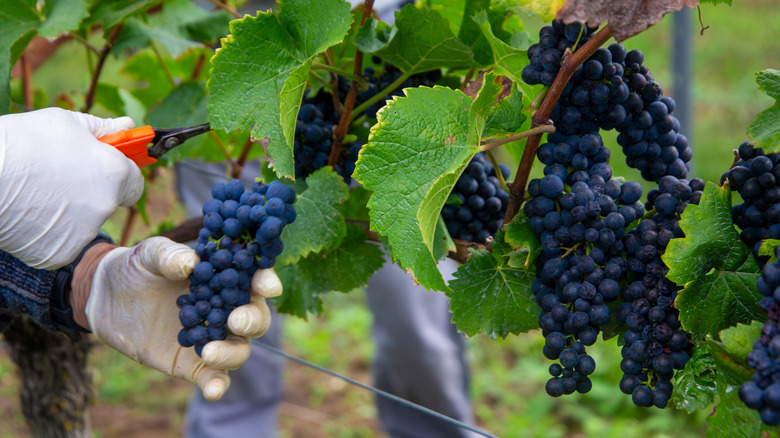
The thin-skinned grape is quite sensitive to weather, disease, and growing conditions. That means producing quality fruit requires some serious babysitting (and high labor costs). The good news is, you don't have to spend a fortune to enjoy a good bottle. In 2026, around $30 to $40 is a sensible price to pay for a quality Pinot Noir. How much you spend depends on where the grapes were grown, how the wine was made, and whether you'd like an easy weeknight gulper or something more special.
Oregon's Willamette Valley and California's Sonoma Coast are two favored regions in this price range if you're looking for a Pinot Noir with distinctive terroir. Oregon boasts fresh acidity and bright red fruit, while California Pinot is often richer, rounder, and fruitier. Most Pinot Noirs are also thought not to age as well as other varieties, as they're usually ready to drink upon release.
Pinot Noir is notoriously difficult to grow, hence the higher price
If you're not ready to drop that much moolah, there are some entry-level Pinot Noirs for under $25, particularly from regions such as Chile and New Zealand. At this price, expect approachable, fruit-forward wines with a little less mystery. Some of the best Pinot Noirs for beginners hail from those regions, and though it's likely they'll have less depth and complexity than pricier bottles, that might not be a problem if you're looking for an easy-drinking red to serve at family dinner. On the flip side, if you've got money burning in your pocket, you should head to Burgundy, France, Pinot Noir's historic home, and one of its most celebrated regions. There, you'll easily find bottles over $100, but those prices reflect rarity, reputation, limited production, and collector demand.
While paying more doesn't automatically guarantee a better bottle, the prices of Pinot Noirs make more sense when you start to add up the cost of the grape, hand-harvesting, temperamental weather conditions, and sustainable farming practices. Ultimately, what Miles was trying to explain in "Sideways" is that the best examples of Pinot Noir express a remarkable sense of place. It's a grape that rewards painstaking farming and winemaking, even if it is begrudgingly called the "heartbreak grape." You don't need to spend hundreds of dollars to appreciate these qualities, but understanding where a Pinot Noir comes from and what goes into making it can help explain its price tag.