

Save Money By Skipping Organic When Buying This Type Of Food
In an ideal world, all produce would be organic and it wouldn't be so hard to find great produce that is actually affordable. But the reality is, choosing produce that is both better for you and the environment comes with an additional cost. If you're looking to maximize your grocery budget, it may not be realistic to choose organic produce at every turn. So we asked Marc Jonna, co-founder and president of the organic, locally grown, and seasonal grocery store Plum Market, to share which fruits or vegetables are okay to buy conventionally farmed to help save a little money at checkout.
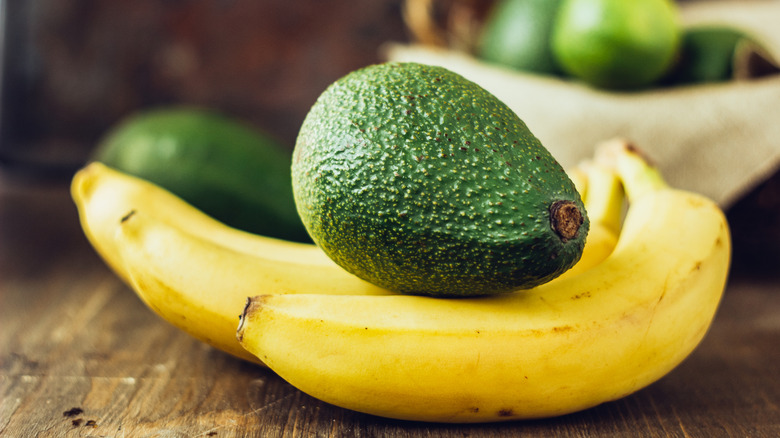
"[When buying] thick peeled fruit where you toss the skin — bananas, citrus, avocados — conventional is fine," he advises. When pesticides are applied to produce, they sit on the outside of the fruit or vegetable. And because these fruits are all peeled before being eaten, you won't be consuming any pesticide residue. Other types of produce on the "Clean 15" list of produce with the lowest amount of pesticide residue includes watermelon, mango, and kiwi which are all also items that get peeled before being eaten.
Of course, you'll still want to follow the USDA's tips and properly wash these items before consuming. For some citrus and other thick-peeled product, it's also important to consider how you'll use it before deciding between organic and conventional. It isn't necessary to spring for organic clementines, as you'll only be eating the flesh. But if you're planning to zest limes or put a lemon twist in a cocktail, you might want to choose the organic option instead.
If you're considering organic, which foods are worth the higher price?
Organic produce can be expensive, but it's for good reason. Conventional farming uses chemicals to prevent weeds from growing and keep pests at bay, which enables farmers to get a higher yield and keep costs down. However, organic farming uses natural practices like manual weeding or intentional planting to prevent weeds, and many organic farmers emphasize soil health to ensure high-quality produce is grown. Therefore, it takes more time, effort, and money, resulting in a lower yield and higher prices for organic produce.
Jonna summarizes it this way: "Organic is better for the earth and for the workers growing your food." So if your budget allows buying entirely organic produce, it's worth making the investment in your own health as well as that of the farm workers and the land where the produce is being grown.
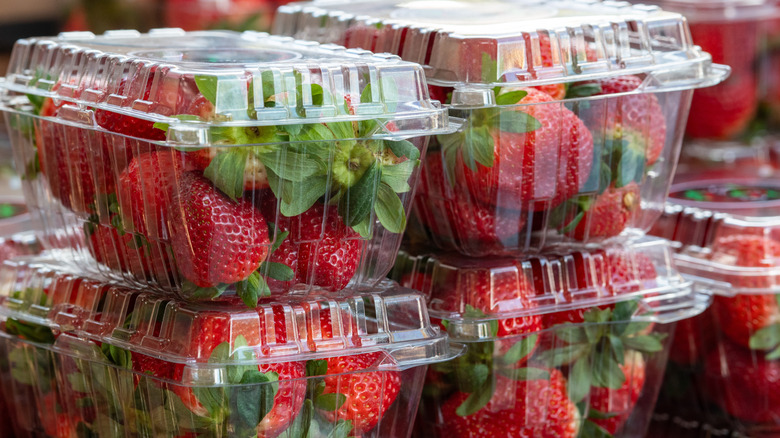
There are some foods you should try to always buy organic. "Spend your organic dollars where you eat the whole thing: berries, greens, apples," Jonna says. These are items that don't usually get peeled, and that are treated with more pesticides while being grown and stored. Strawberries and apples, for example, are doused with pesticides to prevent pests and keep their color vibrant and leafy greens like kale and chard are also heavily treated. The pesticide residue can remain on the produce and harmful chemicals can make farm workers sick. So if your budget allows, it's worth it to shop organic, seasonal, and local produce whenever possible.