

10 Foods You Should Always Buy Organic

Eating organic foods is a way of life for some people, whereas others stick to conventional foods for a wide range of reasons. Regardless of your philosophy, there's no doubt that conventionally farmed foods often carry more pesticide residues than their organic counterparts. Residues are regularly assessed through the USDA's Pesticide Data Program, and 2019 testing found that more than 99% of samples had residues below EPA-established tolerance levels. Nevertheless, some people prefer to minimize their exposure as much as possible by choosing organic certified foods, which forbid the use of synthetic pesticides, fertilizers, GMOs, and more. Not to mention, these methods of farming are more beneficial for the environment and natural ecosystems.
That said, organic foods are often more expensive than conventionally farmed foods, so it isn't always feasible to go all out and switch your grocery habits. To discern which foods you're better off buying organic, we spoke to a handful of nutrition experts to get the scoop. While they highlighted specific foods or categories they recommended purchasing organic, they also acknowledged the cost barrier. Therefore, although you should prioritize buying organic versions of these foods, the most important thing is to eat a varied diet to get adequate sources of nutrition.
Leafy greens

A couple of the nutritionists we spoke to emphasized the importance of choosing organic leafy greens. Lizzie Streit, MS, RDN, LD, author, and creator of It's a Veg World After All, explained the reasoning behind this. "Leafy greens, for example, have large surface areas, lots of crevices, and cannot be peeled, all of which allow for higher pesticide residues." Although thoroughly washing them can help reduce the amounts, it isn't as simple as cleaning produce with a smoother surface. Similarly, Rachael Ajmera, MS, RD, and founder of Nutrimental, agreed, noting that there's simply more surface area for any pesticides to stick to.
Additionally, unlike numerous vegetables that can be easily peeled, Ajmera notes that leafy greens "don't have a thick outer skin to protect them." Options like spinach, kale, lettuce, chard, and collard greens all fit into this category. Consequently, if you're consuming them regularly — especially in their raw state (heat can reduce the presence of pesticides to some extent) — purchasing organic versions allows you to reduce the amount of pesticides you are exposed to.
Peppers
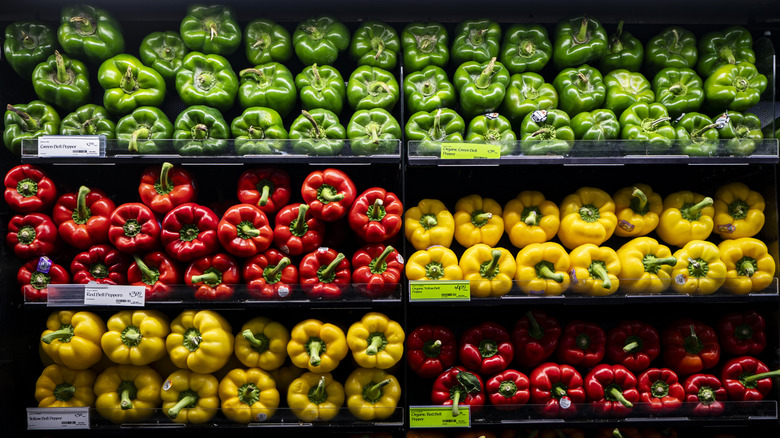
Lizzie Streit recommends opting for organic peppers, whether you're using bell peppers in a dish or seasoning something with hot peppers. "They are almost always eaten with the skin on and have been shown to have frequently detected pesticide residues, in part because they are sprayed often due to their susceptibility to insects," she explains. Indeed, unless you're blistering peppers on a grill or in the oven and then carefully removing the peels, there's no way around not eating them. A thorough wash can help, but it won't remove all traces of pesticides.
Aside from the presence of pesticides, some studies have shown that organically grown peppers tend to retain a higher antioxidant value and a greater level of bioactive compounds than conventional versions. For example, vitamin C, beta-carotene, and phenolic compounds were all found in higher proportions. Peppers are also routinely listed among the Environmental Working Group's (EWG) "Dirty Dozen," a yearly compilation of the produce with the most pesticide residues (though in 2026, they landed in the middle of the list rather than on the clean or dirty end of the spectrum).
Strawberries
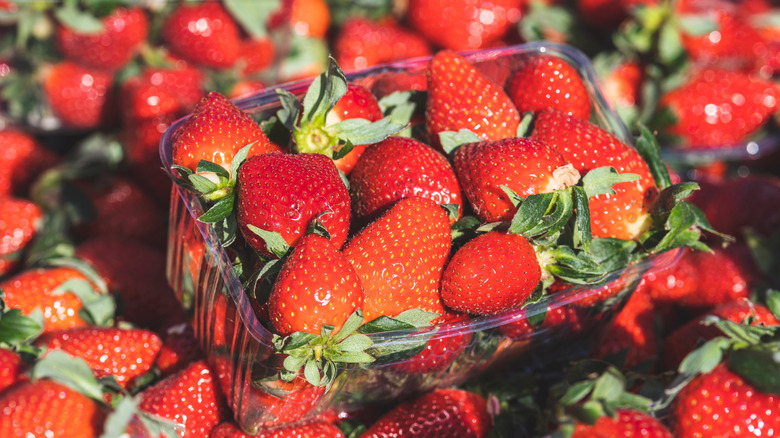
Unfortunately for strawberry lovers, they're repeatedly present on the EWG's Dirty Dozen list, making them a priority when it comes to choosing organic foods. According to the Department of Agriculture, they remain high in pesticides even if they are promptly washed after being picked. It's not just a regional matter, either; in 2015 and 2016, the USDA tested over 1,000 strawberry samples from across the country and found at least one pesticide in 99% of the samples. About a third of them had over 10 recognizable pesticides per sample, too.
As Rachael Ajmera notes, "This is largely because they have a thin, edible skin that can easily absorb pesticides." No one is out there peeling their strawberries, which means that all of those residues remain on the skins, even if they aren't all absorbed into the fruit. For this reason, Ajmera highly recommends buying organic strawberries to limit exposure to these pesticides, many of which are considered to be potentially carcinogenic or responsible for disrupting hormones. "If it's not within your budget, consider a baking soda wash to remove pesticide residues before eating strawberries," she adds.
Potatoes
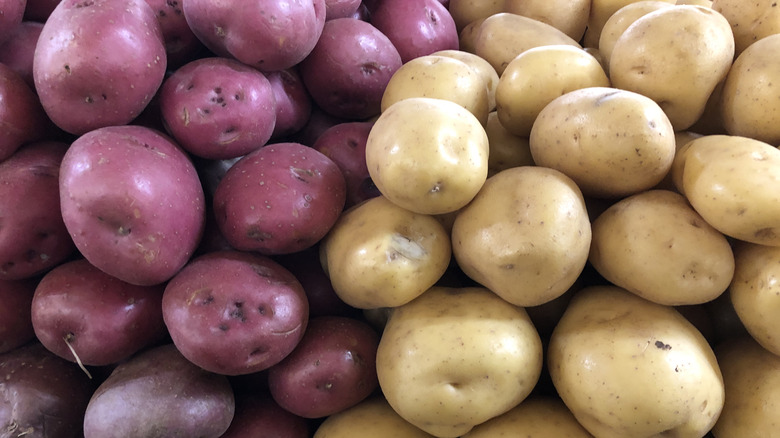
According to Lizzie Streit (and confirmed by the EWG's Dirty Dozen list), potatoes tend to carry large amounts of pesticide residues. "Since potatoes grow underground, some people may not think of them as a crop that gets 'sprayed,' but they still undergo intensive pest and disease management and are exposed to various insecticides, herbicides, and fungicides," she explains. In particular, they contain elevated levels of a plant growth regulator called chlorpropham, which is currently banned in the European Union, due to potential health risks including hormonal disruption.
That said, potatoes are the number one most consumed vegetable in the U.S., meaning they're regularly being eaten around the country in numerous different forms. If they're also high on your household's list of vegetable staples, Streit recommends purchasing organic potatoes to greatly decrease your exposure. Additionally, she notes, "Peeling and cooking potatoes, via frying, baking, boiling, and steaming, also helps reduce pesticide levels." It's worth noting that peeling the spuds will decrease the nutritional value as well, so if you're looking for a balance between minimizing harmful exposures while retaining nutrition, thoroughly washed organic potatoes are your best bet.
Meat and poultry
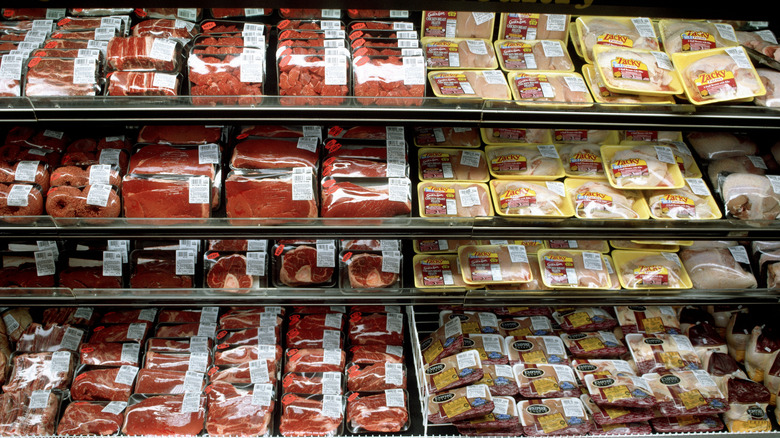
While some people eschew meat products for environmental reasons, others choose to purchase organic options that offer a good balance. As Rachael Ajmera explains, "Organic meat comes from animals raised under stricter standards, including access to the outdoors and organic feed, and without routine use of antibiotics or added growth hormones." Pretty much the opposite is the case when it comes to conventional meat. Due to the high volumes of production and often overcrowded conditions, antibiotics are necessary to prevent the loss of animals due to illness. Helen Tieu, registered dietitian, certified diabetes educator, and founder of Diet Redefined, seconds this and notes, "This may be worth prioritizing for people who care about production practices and sourcing."
Aside from the additives and production conditions, Ajmera also points to potential nutritional benefits from consuming organic vs. conventional meat. This likely varies based on the type of meat and source; however, a 2019 study published in the Journal of the Science of Food and Agriculture recorded lower levels of fat and cholesterol in organic compared with conventional beef. Furthermore, organic was higher in healthy nutrients like beta-carotene, coenzyme Q10, and omega-3 fatty acids. Still, it's important to take this with a grain of salt. "Organic doesn't automatically make a food healthy — a highly processed meat product is still a highly processed meat product, even if it's organic," Tieu notes.
Dairy

Dr. Farhan Abdullah, board-certified internist, adjunct clinical assistant professor, and medical director of Magnolia Functional Wellness, recommends choosing organic dairy products to minimize exposure to antibiotics and synthetic growth hormones. Helen Tieu agrees, noting organic standards are far more stringent with these compounds, restricting the use of pesticides. This affects the quality of the cow feed, which in turn translates to the quality of the dairy product.
"Nutritionally, organic and conventional dairy both provide protein, calcium, potassium, B vitamins, and often vitamin D," Tieu states. Whereas some sources note that the two are on par in nutrient levels, other sources have found higher nutrient levels in organic dairy. A 2012 study published in the Journal of the Science of Food and Agriculture found higher levels of protein, omega-3 fatty acids, and antioxidants, among other factors. The mechanism for this distinction is thought to be due to the differences in what the animals consume, from the feed to the quality of their grazing land. Aside from the nutritional benefits of organic dairy, Tieu adds, "some people prefer it because of sourcing, animal welfare, and farming practices."
Eggs

Rachael Ajmera and Dr. Farhan Abdullah both recommend consuming organic eggs, though if availability or cost is a concern, any type of egg can be a healthy choice. As with other animal-derived products, it ultimately comes down to consumer preferences regarding farming, animal welfare, and sourcing. For example, organic eggs need to be sourced from free-range, cage-free chickens. "Organic eggs might be worth the higher price tag if you prefer eggs from hens raised under more natural farming standards, which include access to outdoor space and organic feed without routine antibiotics," Ajmera explains.
Dr. Abdullah agrees and adds, "An organic egg label does not mean superior nutritional quality, but does represent stricter farm management." Results are mixed on the nutritional differences, though, and some findings show slightly elevated levels of omega-3 fatty acids, antioxidants, and vitamins in organic. If you don't eat many eggs, the difference isn't major, but Dr. Abdullah suggests that "Reducing the cumulative amount of certain agricultural chemicals through organic feed can be helpful if an individual consumes eggs at least three to four times a week." More importantly, organic eggs tend to have far brighter yolks and a creamier texture, so if you're looking for the best-tasting eggs, they tend to stand out.
Oats
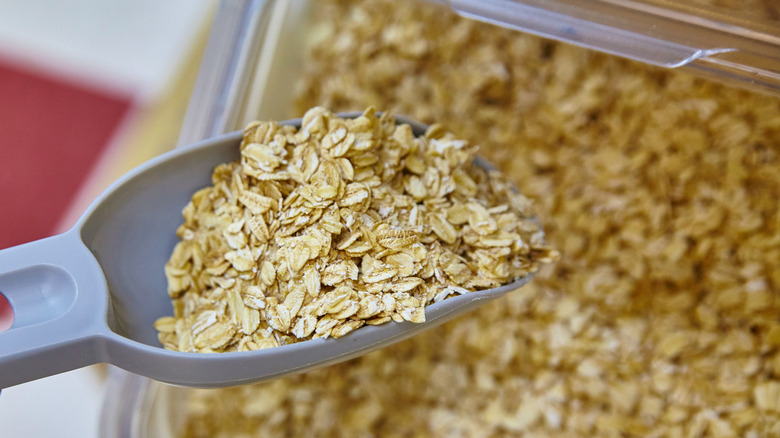
Oats are often considered a nutritious choice for breakfast, baking, and other uses. According to Rachael Ajmera, they're worth purchasing organic to reduce exposure to synthetic pesticides. Dr. Farhan Abdullah explains that conventional oats are typically sprayed with herbicides early in the growing process, as well as right before being harvested, to help dry them out. In turn, this means a greater amount of residue remains on the crop before they're processed for sale.
For this reason, Dr. Abdullah notes, "I would consider buying organic oats for individuals who consume oatmeal or other oat-based products frequently." He points out that this is especially valid for people who routinely eat oats for breakfast, as the exposure is more consistent. In particular, if you're feeding oats to children in the hopes of providing them with a nutritious breakfast, it's especially worthwhile to consider switching to organic versions. Although the nutritional differences are minor, Ajmera says that "some research suggests organic crops may have slightly higher levels of antioxidants than conventional crops," which is one more reason to make the switch.
Wheat products

Unless you follow a wheat-free diet, chances are the grain has a regular presence in your diet. Dr. Farhan Abdullah recommends choosing products made with organic wheat since it is farmed without the use of synthetic herbicides and pesticides. If you're consuming bread, pasta, and cereal several days a week, then swapping to organic wheat products is a good way to limit your exposure to these compounds, especially as some evidence suggests repeated exposure causes them to accumulate in your body.
Similar to oats, organic wheat crops may offer slightly higher levels of antioxidants and nutrients compared to conventional crops. This is due to the healthier nature of organically farmed soil, since it hasn't been depleted by chemicals. Meanwhile, a 2014 study published in Food Chemistry found lower protein levels in organic wheat, though the types of protein in question showed improved digestibility. Additionally, levels of toxic compounds and metals were higher in conventional wheat, another reason to switch to organic.
Coffee and tea
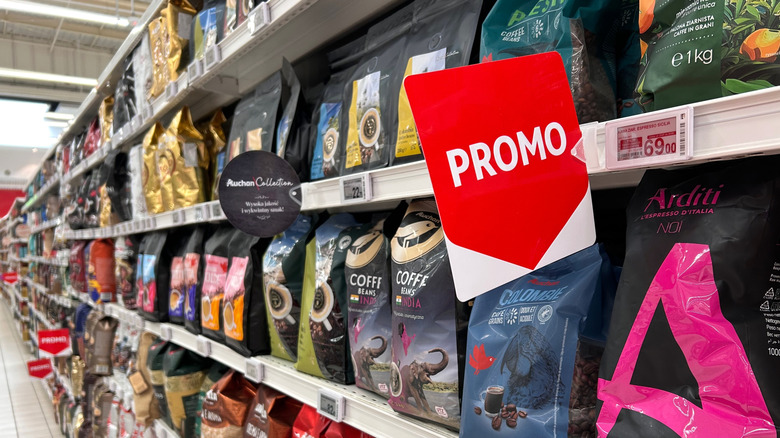
Although food is often top of mind when choosing organic products, beverages shouldn't be overlooked. In particular, producing coffee and tea starts with agriculture, which can be carried out using organic or conventional practices. As Helen Tieu notes, "Since coffee and tea are daily habits for many people, this can be a reasonable category to consider if buying organic fits their budget." Dr. Farhan Abdullah adds that this is especially relevant for people who drink several cups a day. Higher antioxidant levels are also usually seen in organic coffee, though most nutrient levels remain fairly similar. Organic tea doesn't show significant antioxidant differences, though, depending on the type, there are only minimal increases.
"Organic coffee and tea are not necessarily more nutritious than conventional options, but some people may prefer them from a farming, environmental, or sustainability standpoint," Tieu explains. Indeed, the ecological impacts are quite distinct between the two. Conventional options rely on synthetic pesticides and herbicides, with production processes that typically take up a larger carbon footprint and emit more greenhouse gases than their organic counterparts. Organic coffee agriculture tends to rely on more natural landscapes, too, rather than clear-cutting forests to increase plantings.