

5 Disadvantages Of Laminate Countertops
We may receive a commission on purchases made from links.
Not every countertop is created equal, and depending on how you cook, how much you value kitchen aesthetics, and how much you're willing to splurge, there will be a kitchen countertop material that fits your needs, whether that's chic, glossy marble or a sturdy classic like oak. However, laminate is one material whose drawbacks are often overlooked because of its lower price point.
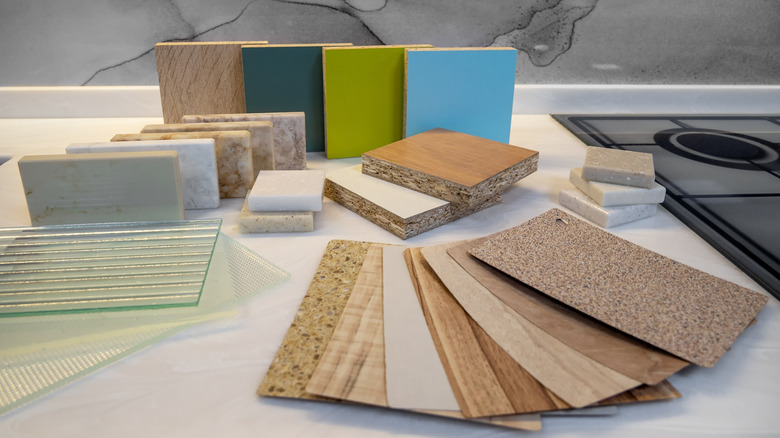
The Formica brand was founded in 1913 to produce its eponymous laminate product for use as electrical insulation, but by 1930 it had adapted it for decorative uses, with laminate becoming a staple in American homes during the 1950s. The countertops are made from layers of wood-based substrate, fibers, and resin topped with a bonded plastic surface that can be printed to mimic everything from marble to wood grain, which is one of the many reasons the material surged in popularity. However, there's more to laminate than what meets the eye. Considering that even the Property Brothers have warned homeowners against choosing laminate, it's worth taking a closer look at some of the disadvantages of this budget-friendly countertop material.
Laminate is cheap, and it shows
Sure, a low price may sound like an advantage when remodeling a kitchen, but it is also worth mentioning what that low price tag means in the long run: a potentially lower resale value. One of the biggest downsides of laminate is that buyers know it's an inexpensive material. If you're planning to sell your home eventually, it may turn off potential buyers looking for a kitchen with a more upscale feel. Because laminate is often viewed as a budget-friendly or temporary solution, it may not add the same perceived value as stone, quartz, or hardwood surfaces, which may lower your home's appraisal.
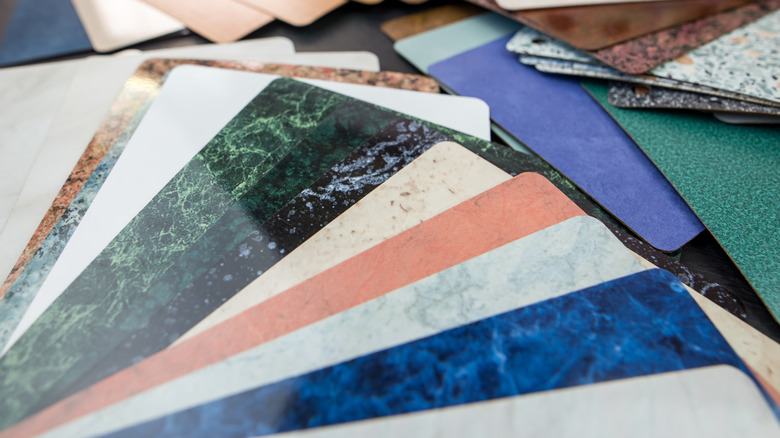
While laminate designs have become remarkably realistic, with patterns that mimic granite, marble, wood grain, and even glitzy quartz, the counter adds no value to the home, unlike more premium alternatives. Furthermore, because these patterns are printed rather than naturally occurring, a closer look may reveal repeating motifs across the surface. To the trained eye, this makes it immediately obvious that laminate has been used.
Laminate has a shorter lifespan
With good care and regular maintenance, most traditional countertop materials, including wood, marble, and granite, can last anywhere from 25 years to a lifetime. In fact, according to Consumer Reports, quartz countertops are the most durable option available. Other materials, such as stainless steel, which is used in many commercial-grade kitchens, can even last a lifetime and withstand years of heavy use. It can also be easily recycled, making it a more sustainable option.
Laminate, by comparison, typically lasts around 10 to 15 years, and even that estimate depends heavily on proper care because the material is more vulnerable to damage than many alternatives. Unfortunately, laminate doesn't age particularly well, either. Unlike natural stone, which can develop a patina that many homeowners find appealing and kitschy, signs of wear on laminate seldom add character. Instead of acquiring a lived-in charm, laminate countertops often look increasingly tired, making even an otherwise well-maintained kitchen feel dated.
Laminate is more likely to get damaged
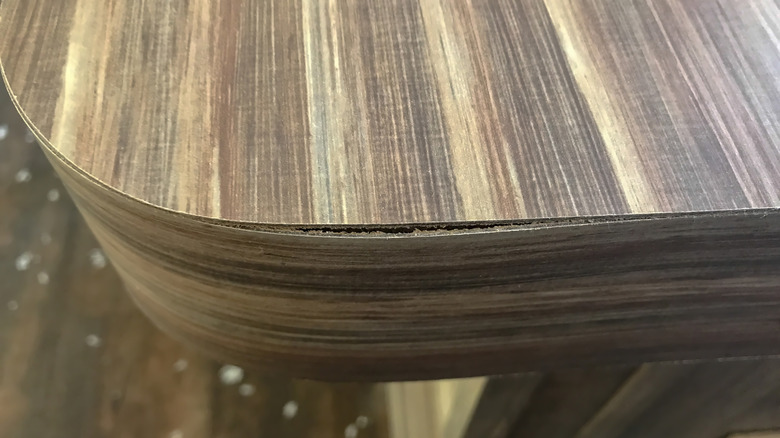
One of the biggest issues with laminate countertops is that they are prone to damage, although the lower cost means replacement is relatively affordable, and many homeowners can tackle the project themselves. But if you're looking for a counter you don't have to constantly babysit, laminate simply isn't it. In a busy family kitchen, signs of wear and tear can appear quickly, and damage may be more noticeable on certain patterns and colors. Knife marks can easily accumulate over time, and dropping any cookware can leave behind unsightly and tattered chips along the edges.
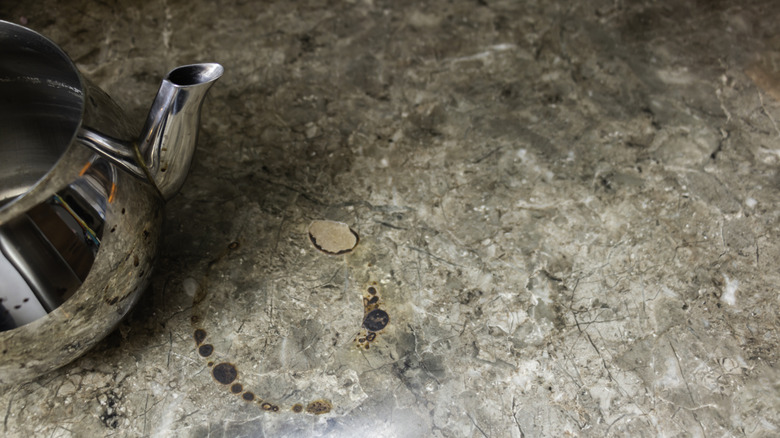
The relatively soft surface makes laminate easier to scratch than stone-based alternatives, but hot pots and pans are arguably the biggest threat. Laminate countertops are not particularly heat-resistant and can scorch, warp, or bubble when exposed to high temperatures. For that reason, keeping trivets and heat-resistant mats, like these HexClad nonslip silicone trivets, within easy reach is essential.
Laminate can be susceptible to water damage
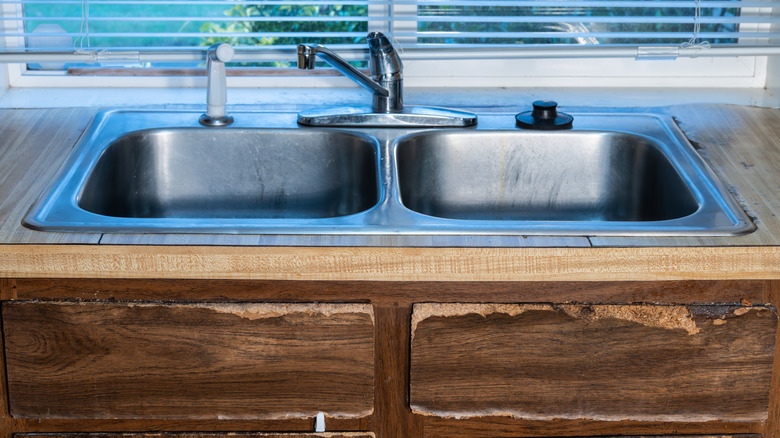
Discoloration, bubbling, peeling, and warping are all common signs that a laminate countertop has been water damaged. While the laminate surface itself is designed to resist water, scratches, seams, and cracks can allow water to seep underneath the surface, trapping moisture, and eventually causing the top layer to raise.
This is more likely to happen near sinks if sealant starts to wear down or if you leave wet dishes on the countertop. It may also happen if you don't clean any spills quickly. If pasta water boils over, for example, you'd be wise to wipe it up as soon as possible rather than letting moisture linger. Water damage may not be visible right away, but it can worsen over time if left unattended. Trapped moisture can also weaken adhesives, turning what initially seems like a minor issue into a much bigger maintenance headache.
Laminate can't be easily repaired
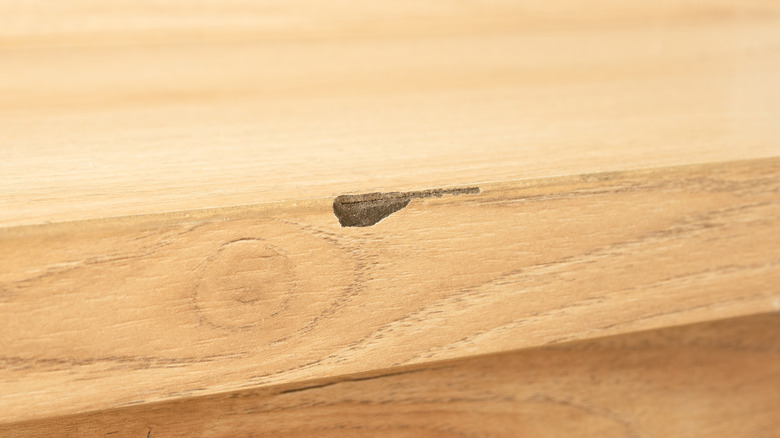
The internet is full of quick fixes for laminate blunders, but the reality is that most only scratch the surface, quite literally. When it comes to repairs, it is easy to hide damage with a quick DIY kit, but these fixes are usually temporary, and the affected area will never look exactly the same. A scratch may eventually become a bigger source of pain if it allows moisture to leak in, for example.
Unlike natural stone, which can often be polished or professionally repaired, laminate offers relatively few restoration options once significant damage occurs. Chips, burns, deep scratches, and swelling caused by water are especially difficult to fix without leaving some of the evidence behind. In many cases, if the laminate starts to peel away at the edges, you are better off replacing it altogether rather than attempting multiple spot repairs. While that replacement is generally less expensive than installing premium materials like marble or quartz, it's still an added cost worth considering before investing in a new kitchen countertop.