

Learn This Rule Before Baking Bread And Enjoy Better Flavor, Texture, And Crust
We may receive a commission on purchases made from links.
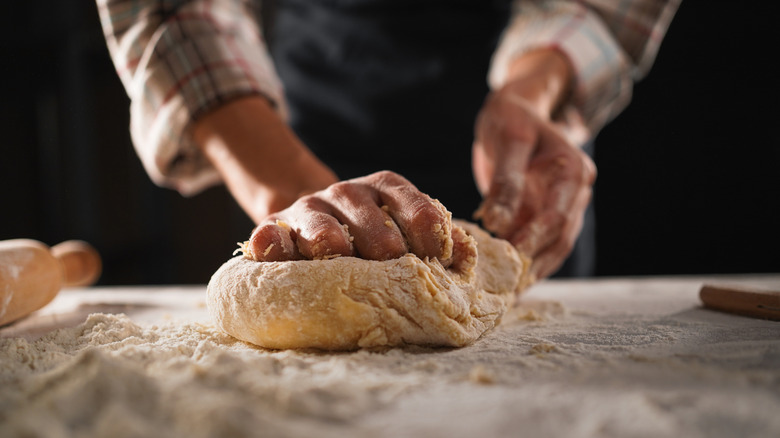
Bread is one of those foods where patience genuinely pays off. Though it can be tempting to speed through the process, there's very few shortcuts when it comes to waiting for bread to rise. We recently chatted with Heather Thomas, the bread baking expert behind That Bread Lady, and author of "The Baker's Bucket List" cookbook, which is set for release in November 2026. Her expert tips on baking bread gave us a lot to chew on, including this nugget of wisdom: "One of the best rules to follow when baking bread is to give your dough enough time to properly ferment, or rise."
You likely already know that fermentation time is key to a healthy sourdough, but it's something you should consider with every boule of bread. "A well-fermented dough will give you better flavor, a lighter texture, and a more beautiful crust," explains Thomas. "Instead of relying only on the rising time listed in a recipe, learn to watch the dough."
Keep in mind, also, that there's a lot of external factors you can't control when waiting on this process. "Temperature, humidity, and even the strength of your yeast can change how quickly dough rises," she warns. A warm kitchen will make your dough rise considerably faster than a cool one, while refrigerating slows fermentation and can even encourage different flavor development. So depending on the season and your kitchen temperature, you may need to adjust your wait time accordingly. Thomas's mantra? "Watch the dough, not the clock," she shares.
Don't rely on the clock alone when it comes to proofing bread
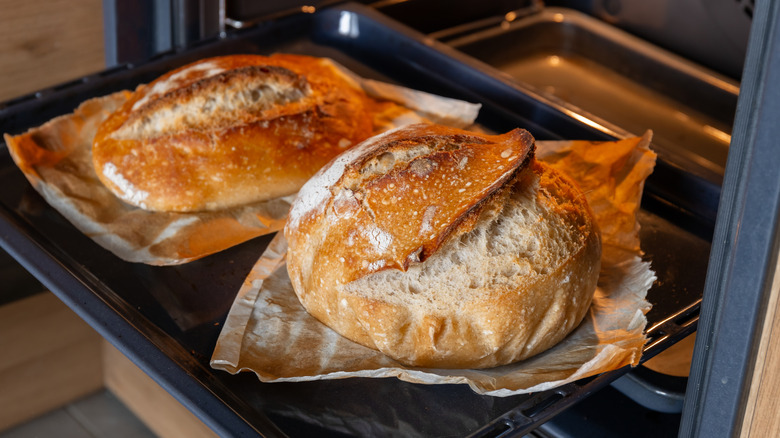
Now that you've got your eyes on the dough, what exactly are you looking for? Heather Thomas explains: "For many breads, you're looking for the dough to roughly double in size during the first rise, but the exact visual cue will depend on the recipe." You'll also need to create a cozy home for your dough while you wait. Besides having a reasonably warm kitchen, you'll need to make sure the surface doesn't dry out, so covering the dough with a damp kitchen towel is key. You want the surface to remain soft, elastic, and supple.
Since the dough needs to stay at around 78 to 80 degrees Fahrenheit, Thomas suggests using an instant-read thermometer. And whatever you do, don't take any shortcuts by cranking up the heat. "Your dough can easily get away from you quickly and end up over-proofed, which leads to a less-than-ideal texture and flavor," says Thomas. An easy way to tell if your bread dough is over-proofed is if the dough collapses or deflates too easily. A properly proofed loaf should feel inflated and hold its shape.
Ideally, Thomas says letting your bread dough rise in the refrigerator overnight is the best technique for developing flavor, but don't go over 16 hours. "Good bread takes time, and allowing fermentation to happen at its own pace can make a noticeable difference in the finished loaf," she states. Give the yeast enough opportunity to do its thing, and you'll be rewarded with a loaf that makes homemade bread worth the wait.