

5 Disadvantages Of Owning A Nespresso Machine
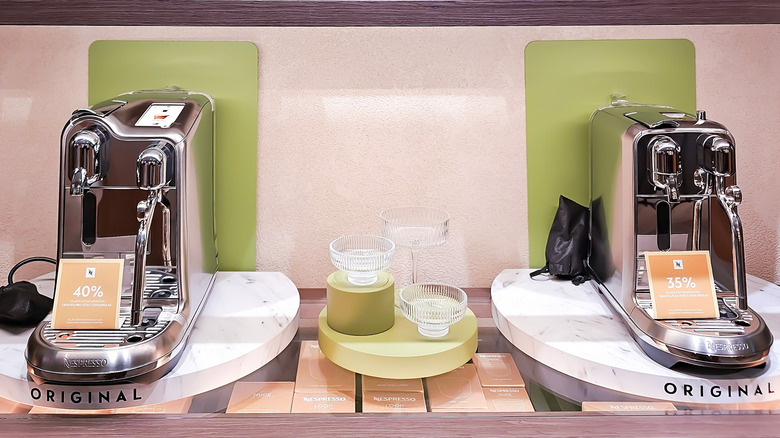
There's a lot to love about owning a Nespresso machine, especially if you value convenience and exclusive, well-sourced coffee. Just drop in a capsule, push a button, and you'll have a rich cup of aromatic coffee or espresso in minutes. There's no grinding the beans, measuring grounds, tamping, or cleaning up the scattered aftermath of a typical espresso setup, and that simplicity is a godsend on busy days.
Convenience, however, does come with tradeoffs. Once you buy the machine, you're also buying into a capsule-based system, which affects everything from what coffee you can use to how much each cup costs. The downsides can vary somewhat depending on whether you own an Original or Vertuo machine, but most apply to the broader Nespresso experience. Capsules can become expensive when drinking them every day, your choices are dictated by compatibility, and you have considerably less control over the brewing process than you would with whole beans or a traditional espresso machine.
None of these issues automatically make Nespresso a negative experience, and to many folks, they don't outweigh the overall benefits. But before committing to the sleek performance of that high-functioning machine, and the steady stream of capsules that go with it, here are five potential disadvantages to consider.
Nespresso capsules can get expensive over time
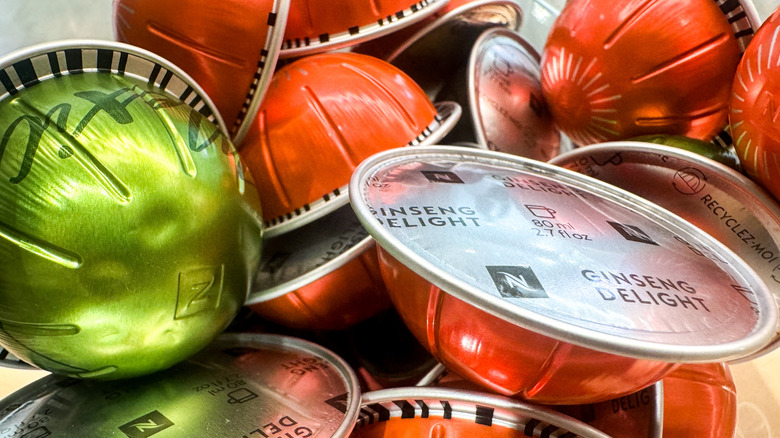
A Nespresso machine very likely saves you money compared to buying a latte or espresso at a coffee shop, but that doesn't necessarily make it an inexpensive way to brew coffee at home. The real long-term expense isn't the machine itself, but the endless stream of capsules you'll be buying over and over as long as you use it on a regular basis. Current Nespresso pricing provides a snapshot of how quickly that can add up.
Many standard 7.77-ounce Vertuo coffees, including Melozio, Intenso, Stormio, and Odacio, cost $1.40 per capsule at the time of writing, while single-origin coffees, barista creations, and other lines can run around $1.45 to $1.60, and some limited editions and larger formats cost more. Cafecito de Puerto Rico pods, for example, which deliver double espresso from the Reviving Origins Nespresso collection, come at a higher cost of $2 per cup.
Original-line capsules can be less expensive. Nespresso currently lists several of its classic Italian-style Original capsules at around 85 cents each, with specialty lines rambling roughly between 90 cents and $1. Original owners also have access to compatible capsules from other brands, which can expand price options. But both Nespresso systems still have an ongoing per-cup cost that you don't have when buying coffee beans or grounds in larger packages. And because the machine is designed around individual capsules, making a second cup means doubling that expense.
You're locked into a capsule system
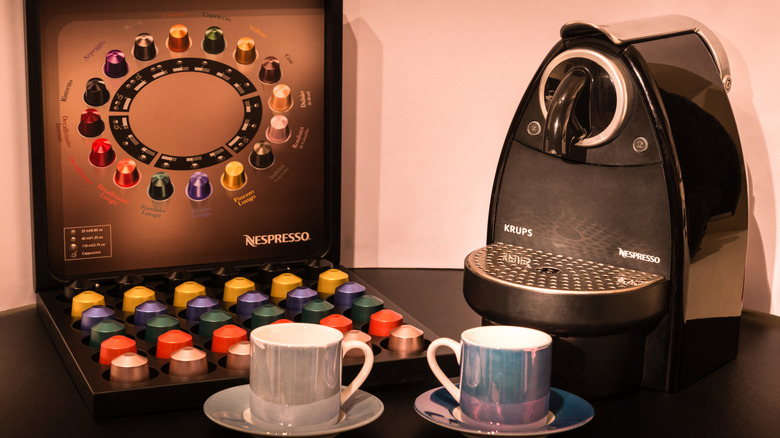
One of Nespresso's biggest strengths is also one of its limitations. The capsule removes nearly all of the guesswork from making coffee, but it also dictates what you can put into that machine you've grown to love. Unlike a drip coffee maker, French press, pour-over setup, or conventional espresso machine, you can't simply buy an interesting bag of beans that catches your eye, grind it up, and start brewing.
A Nespresso machine requires capsules designed to fit its particular system, either the Original or Vertuo, which operate from very different technologies. They also have different capsule formats and brewing methods — and capsules designed for one system aren't interchangeable with the other, which definitely matters when you're shopping for coffee. If you enjoy sampling different coffee origins, experimenting with independent roasters, or changing beans on a whim, a capsule machine can start to feel restrictive.
Nespresso does offer a large selection of roasts, intensities, flavored coffees, decaf choices, and limited editions, so owners do have variety. And for many people, the lack of flexibility is a fair tradeoff. Just be aware that once you've chosen a Nespresso machine, you've also chosen the format your coffee will come in, day after day.
Some machines offer fewer third-party capsule options
While Keurig and other similar machines have loads of companies producing compatible third-party capsule options, Nespresso alternatives are harder to come by. This disadvantage does need a bit of explanation, though, as it mostly affects Vertuo machine owners much more than people with Original machines.
The Original system has been around long enough that numerous companies do sell compatible capsules. Peet's, for example, currently sells several espresso capsules specifically designed for compatibility with Nespresso Original machines, but it specifies that the capsules do not work in Vertuo machines. You can also find Original-compatible capsules from mainstream retailers such as Target, giving Original owners a lot more more choices.
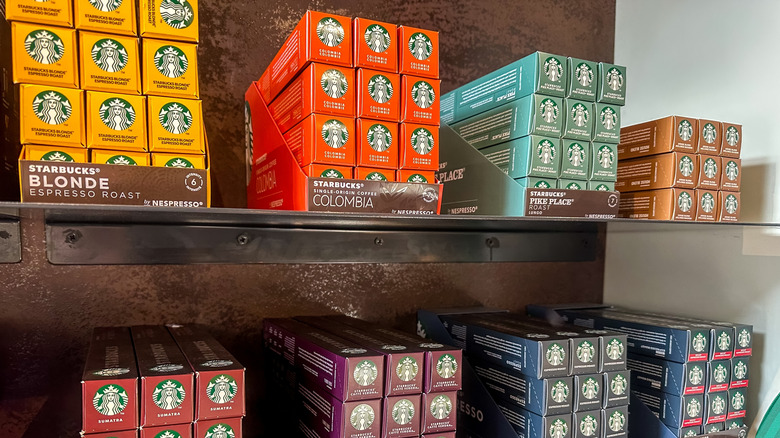
Vertuo, on the other hand, operates in its own high-tech realm. All Nespresso Vertuo pods have a unique barcode that the machine reads before brewing, telling it how to adjust the settings for that particular pod, taking into account things like volume, temperature, and infusion time. With such advanced technology at play, Vertuo owners have far fewer options outside the Nespresso universe, leaving very little room to bargain hunt for affordable pods. This makes you largely dependent on ordering Vertuo pods for home delivery or picking them up at Nespresso Boutiques, which operate mainly in major cities. There is at least one branded alternative, Starbucks by Nespresso, which offers Vertuo as well as Original pods — but the available flavor options are minimal.
You have less control over the brewing process
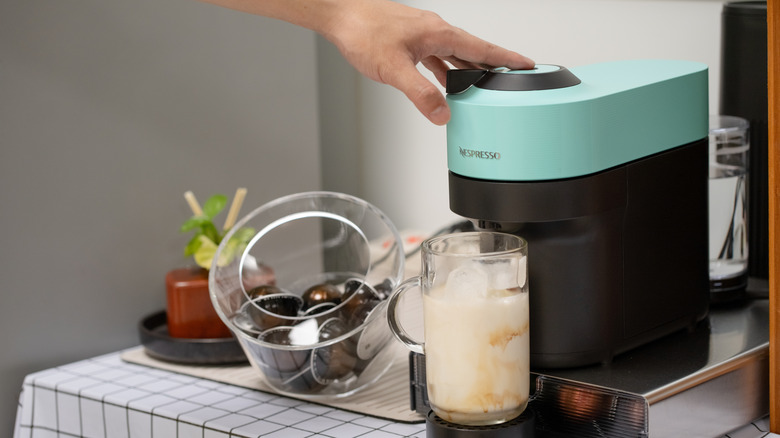
Nespresso's whole approach, and its appeal, pretty much comes down to the machine doing its thing with little intervention on your part. That's wonderful at 7 a.m. when stumbling into the kitchen, popping in a pod, and pushing a button for immediate java joy. But it can be less than satisfying if you actually enjoy finessing the details that go into making the perfect espresso per preference.
With a traditional espresso machine, you'd be able to choose the beans, grind them right before before brewing, change the grind size, adjust the dose, decide how firmly to tamp, and experiment with extraction time. A Nespresso capsule arrives with the coffee already ground and portioned, so most of those decisions have already been made.
That doesn't mean you can't customize the finished drink arriving in your mug. You can add whatever milk, foam, syrup, sweetener, or other ingredients you like, and some newer Nespresso machines come with extra beverage settings. But customizing after brewing isn't quite the same as the art of extracting coffee from the beans in your own unique way. If creating coffee perfection is, or becomes, a serious pastime, you may eventually feel the limits of what a capsule machine lets you do.
The capsules create extra waste and recycling work
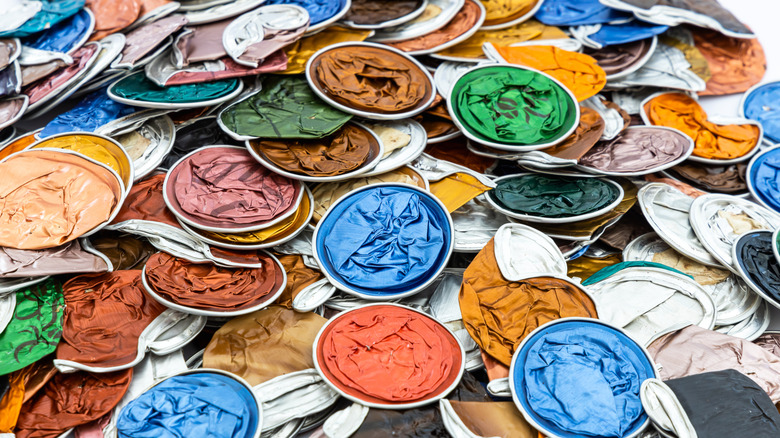
Every tasty cup of coffee made in a Nespresso machine leaves something behind: an empty aluminum capsule filled with soggy coffee grounds. Nespresso has admirably put a lot of effort into addressing the waste, and the capsules are indeed recyclable. The company operates its own well-structured recycling program in the United States, but that still doesn't solve the issue of accessibility. Recycling Nespresso capsules takes considerably more effort than tossing into your household bin.
A few places, such as New York City and certain locations in New Jersey, accept used coffee capsules in residential recycling, but residents in most parts of the country must fend for themselves. Nespresso does provides free recycling by mail via prepaid UPS recycling bags, and the returned capsules are repurposed in various ways. But customers must still drop them off at a participating UPS facility or Nespresso boutique, not at standard U.S. post offices.
That's certainly better than having no recycling program at all, but it does add another task to daily life. You need somewhere to keep the bag of used capsules while it fills, then must remember to drop it off. And anyone who's forgotten a damp coffee capsule in the machine for a little too long knows that used pods eventually accumulate mold if unattended. You could always empty each individual pod and dispose of the grounds — but the convenience benefit of Nespresso machines starts fading when all the little chores add up.