

Forget Buying Mulch: Coffee Grounds Do The Same Thing In Your Garden
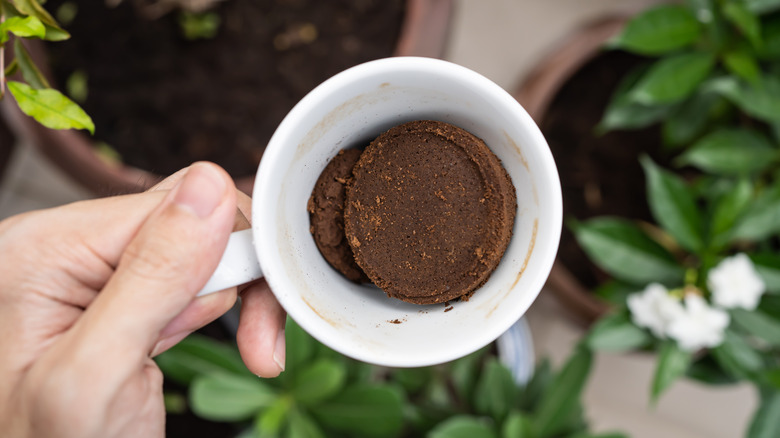
Few things can top the feeling of a nice, freshly brewed cup of joe early in the morning. But brewing your own coffee at home comes with perks beyond skipping the rush-hour wait. And while there are plenty of ill-advised tips circulating online about natural fertilizers that don't really do much for your garden, coffee is a well-known and well-researched addition to composting and gardening that offers a host of benefits.
Whether you start with whole beans — and you really should since there is a scientific reason coffee tastes better from freshly ground beans — or opt for your favorite bag of ground coffee, there's a great use for those spent dregs once you've extracted all the flavor from them. Don't toss them. Put them to work in your garden instead. Not only will you be reducing waste, but your plants may look lusher than ever. Used coffee grounds are an excellent substitute or complement to mulch, which consists of materials used as a layer atop soil to reduce weeds, retain moisture, regulate temperature, and improve overall soil health.
The main benefit of using coffee on top of your soil, aside from being a great way to live waste-free, is improving soil quality. Microbes, fungi, and earthworms feed on the organic matter and decompose it into useful nutrients that further enrich the soil. Worms also help aerate the soil by creating small tunnels that improve drainage. While the grounds attract a healthy ecosystem of organisms that support plant health, they have also been shown to repel pests such as slugs and snails.
Three ways to put coffee grounds to work
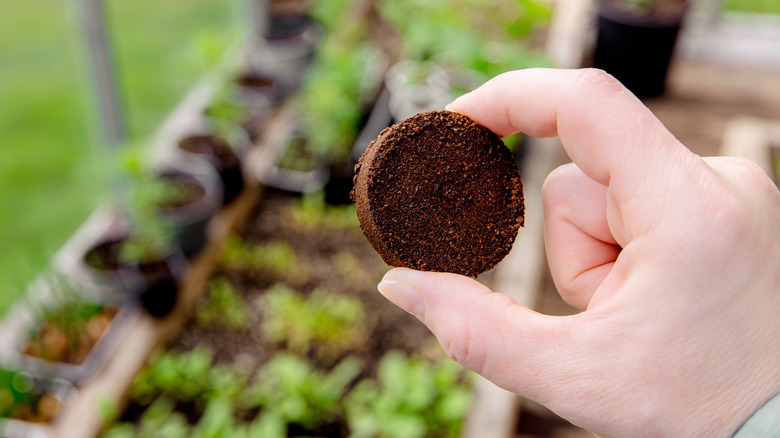
There are three easy methods you can follow to use coffee grounds in the garden. Spread a thin layer of coffee grounds directly over the soil, taking care not to pack it too tightly in any one spot. Some plants, such as hydrangeas and roses, will benefit from coffee's slightly acidic nature, while others, such as seedlings, aren't as fond of the caffeine. Always check what best suits the type of plant you're growing. Also keep in mind that ingesting coffee grounds is dangerous for dogs, so you might want to avoid using them in your garden if your pet spends a lot of time there.
For a gentler and safer approach, combine 1 part coffee grounds with 3 to 4 parts bark mulch or any other mulching material. The most reliable method, however, is to add your grounds to homemade compost, where they can break down alongside other organic material. Just be sure they account for no more than 20% of the total volume.
If your coffee intake surpasses your gardening needs, there are many other uses for coffee grounds in and out of the kitchen. It is truly one of the most versatile by-products and one we rarely think about. You can use ground beans to tenderize steaks, remove unpleasant odors in the house, and even remove stubborn grease from pots and pans. So next time you brew a cuppa, think twice before tossing those grounds.