

5 Things Induction Stoves Do Better Than Electric Stoves
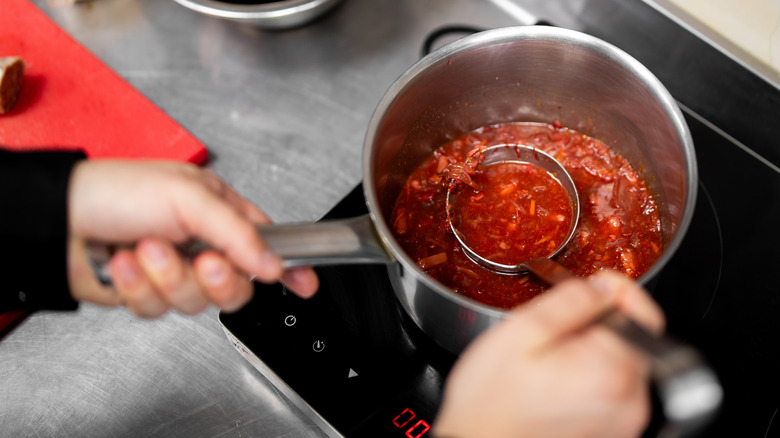
Society has come a long way since we first started using fire to make our meals. We went from cooking on open fires to baking in communal ovens to having the option to choose the type of stovetops that best suit our lifestyles, or for some, our aesthetics. Some things certainly don't need reinventing, but when it comes to cooking surfaces, induction has changed the game.
With so many options on the market, some people wonder which is better: induction or electric. The key difference between the two types of stovetops is in the way the heating element works. Most electric stoves use internal coils that warm up beneath a glass surface. Induction cooktops use electromagnetic fields to generate heat directly in pans with a magnetic base. This is why not all cookware works on induction cooktops, and it's best to check that pots and pans are made of stainless steel, carbon steel, cast iron or are labeled as compatible before committing to a purchase. (Quick tip: a fridge magnet can help you test if a pan is compatible.) Be that as it may, this is a small trade-off when you consider the many benefits of an induction cooktop.
They're safer to use
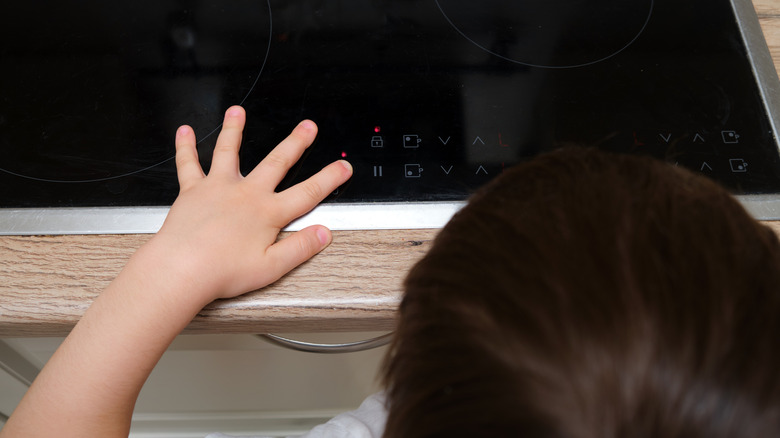
There is perhaps no bigger reason to advocate for induction over electric stoves than the many safety features they offer. First, their surfaces remain relatively cool because the heat isn't transferred through the glass but rather directly to the pot. While some residual heat will remain after you remove the pot, it generally won't be hot enough to burn you if you accidentally touch the glass.
The stove will also not work without a pan on it, so even if you forget to turn it off, it will stop heating up the moment the pan leaves the surface. This isn't to say you that can't burn your food. If you leave a saucepan unattended while the cooktop is on, whatever's inside will continue to cook and can still burn as long as the pan remains on the cooking surface. However, kitchen towels and other items are far less likely to catch fire if left on top of the stove, which would be a serious fire hazard on a heated electric cooktop.
They heat up faster

Few things are quite as boring as waiting for water to boil before you can add your pasta. It somehow seems like the more you look at it, the longer it takes. Much like buying a car, speed plays a role in how we cook and how much time we are willing to invest to get dinner on the table on a busy weeknight. Induction cuts that time significantly. In fact, when compared to both gas and electric, induction is the type of stove that cooks food fastest. According to testing performed by Consumer Reports, induction cooktops can boil 6 quarts of water 2 to 4 minutes faster than electric stoves.
Changing the temperature is also easier and quicker. You can bring your soup from a gentle simmer to a rolling boil in a matter of seconds. This is largely because there's no need to wait for electric coils to heat up and then transfer that heat into the pot. Instead, the pan heats directly through electromagnetic technology. It's like cutting out the middleman and going straight to the source. This results in more even heat distribution. If you're aiming to sear a steak, that's key: you'll get a uniform crust instead of patchy, charred spots and undercooked areas.
They offer more precise temperature control

Many modern induction burners incorporate easy-to-use layouts, and while there may be a slight learning curve at first, the more you use the cooktop, the more you'll come to understand its settings. These typically indicate power levels: the higher the setting, the hotter the pan will get. Some high-end appliances even include features such as precise temperature controls, remote settings, and smartphone apps.
Not only do induction cooktops get hot more quickly, but they also cool down faster, which is just as important. If your sauce is about to boil over, you have a very short window to lower the temperature before disaster strikes. Induction systems react almost immediately, whereas an electric heating element retains heat long after you've dialed it down.
These features become even more crucial as a stove ages. Over time, the thermostat in an electric stove can degrade, making temperature control less precise. That means the burner may run hotter or cooler than expected and may struggle to maintain a consistent level of heat, leading to uneven browning, overcooked bits, or longer cooking times. As with most things in life, the older the stove, the less reliable it becomes.
They waste less energy and keep your bills lower
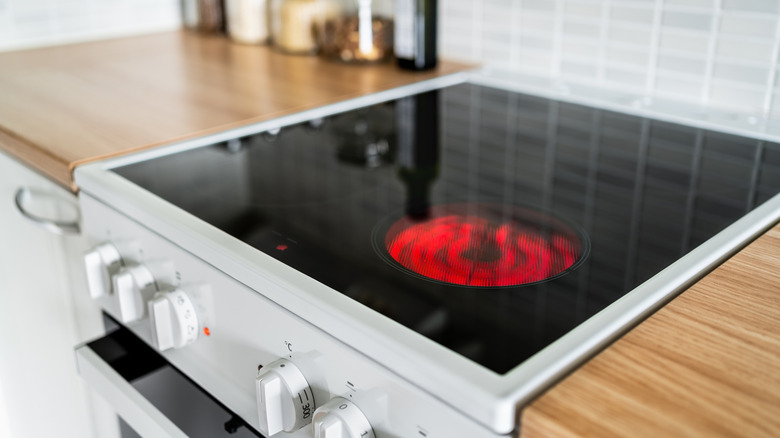
Induction's cutting-edge magnetic technology means these cooktops are among the most energy-efficient options available. Induction cookers are, on average, 15% more efficient than most electric stoves, with an efficiency rate of 85% to 90%. Because heat is transferred directly to the pans, less energy is released into the surrounding air.
And because induction cooktops reach higher temperatures more quickly, they need to run for less time, reducing energy use altogether. Without as much excess heat entering the room, the kitchen stays cooler, which is especially welcome during the height of summer and may reduce the need for AC. While the initial investment in induction can be high, lower operating costs can lead to long-term savings and ultimately lower utility bills.
All things considered, it's easy to see why induction stoves are set to dominate kitchen trends. It has taken time for this technology to gain traction, but it has become more widely adopted over the years. As more advanced features and induction-friendly cookware are released, more home cooks and professionals are considering the switch.
They're easier to clean
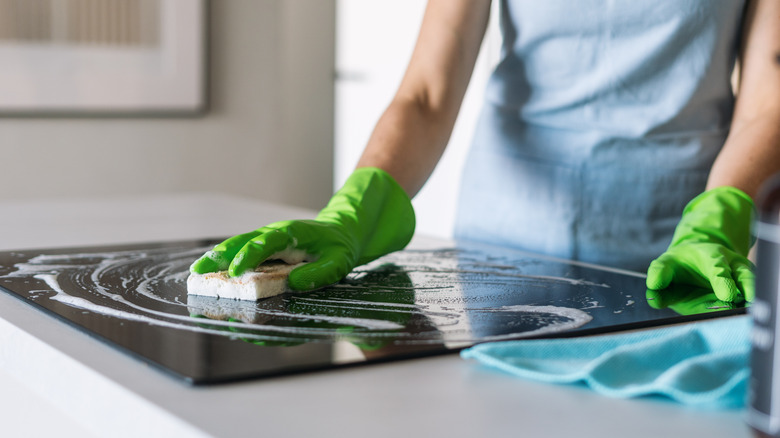
Perhaps a small advantage, but one that can make a real difference in busy households, is how easy induction cooktops are to clean. A smooth glass surface is easy to wipe down, and that's true of both induction and most electric stoves, unless you own a model with exposed coil burners or solid metal elements. Even so, because induction cooktops do not heat the surface directly, there are fewer chances for food to spill, scorch, and stick. Often, all it takes is a quick wipe once you're done cooking and voilà. Knowing how to clean your stovetop properly will save you plenty of headaches regardless of which appliance you use. Vinegar and baking soda work like a charm against burned and stuck bits.
While they may be a significant investment, induction stovetops are well worth considering for the long term. As an added bonus, they can also be found as portable units, meaning you can take your reliable cooktop almost anywhere, from student housing to camping trips, provided you have access to a power source to plug it in. Just make sure you avoid these common induction cooktop mistakes: don't slide pans across the surface, don't drop heavy pots onto the cooktop, and avoid abrasive sponges whenever possible.