

5 Disadvantages Of Granite Countertops
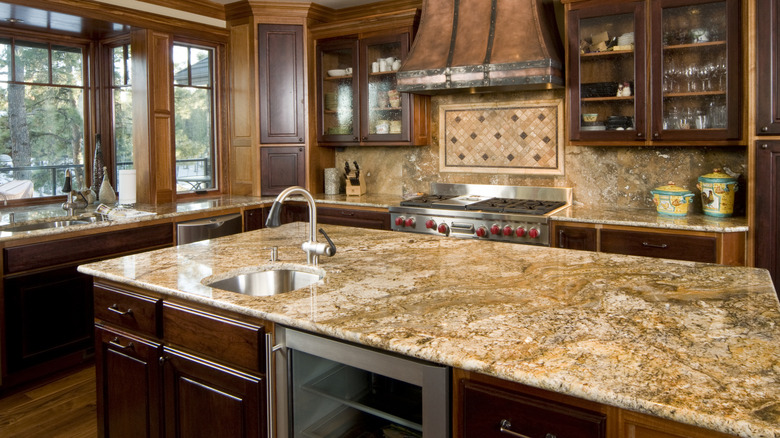
Granite is a longtime go-to material for kitchen countertops, and homeowners keep choosing it for plenty of reasons. The earthy natural stone comes in attractive colors and patterns, tolerates heat well, and has a hard surface that guards against everyday scratches. Even so, a material can be durable and beautiful without being the best fit for every kitchen — and granite does come with a few notable disadvantages.
The drawbacks of granite may not be immediately evident in a showroom, especially when you're dreamily imagining the polished slab in your own kitchen. A glaring price tag can quickly quash the dream, along with other practical considerations. Some granite potentially requires repeat sealing and more thoughtful cleaning, the slabs are awkward to install, and even this famously tough stone can chip or crack. Since granite is a natural product rather than a manufactured surface, you also can't expect perfectly uniform colors and patterns from one slab to another.
None of these things necessarily makes granite a poor choice. But since countertops are a major purchase you'll likely live with for years, it's worth knowing what to expect when that gorgeous piece of stone enters your home. Before taking the plunge, here's a closer look at five disadvantages of granite countertops.
Granite countertops can be expensive
Granite isn't necessarily the most expensive countertop material you can buy, but it can still take a chunk out of any kitchen renovation budget. Specific costs vary widely between regions, quality of the stone, and installation contractors, but according to home services platform Angi's July 2026 pricing data, most granite countertop projects cost about $2,000 to $4,000, with an average of around $3,250. High-end projects involving larger areas or premium stone can climb above $9,000.
Homeowners could also need to budget for removing the old countertop, extra fabrication and installation needs, upgraded edge treatments for the granite slab, and delivery fees. That means a granite countertop that may seem relatively affordable based on the price of the stone alone could suddenly soar into budget-gobbling territory once all is said and done. A large kitchen island, complicated kitchen layout, unique cutouts, or premium edging can — you guessed it — add significantly to the final bill.
Granite is certainly not alone in being expensive, as marble, stainless steel, quartzite, and other premium surfaces can cost just as much or more. But if your main goal is affordability when picking the perfect countertop material for your kitchen, there are much cheaper options out there, including laminate and even some tile countertops. If you just can't live without that granite you've fallen in love with, it helps to think of it as a long-term home investment, not a budget-friendly kitchen update.
Maintaining granite can be a time investment
Granite has a reputation for being almost indestructible, but don't be fooled into thinking it's a hands-off affair. After granite takes its well-earned spot in your kitchen domain, expect to put in some maintenance to keep it looking its best. One of the most common misunderstandings involves sealing, but the good news is that, contrary to frequently repeated advice, not all granite necessarily needs sealing. However, many types can indeed benefit from an impregnating sealer that gives extra protection against moisture and stains.
Depending on the particular type of granite, the manufacturer may recommend resealing fairly frequently. That's particularly advisable if using topical sealers, which wear out over time and alter those earthy natural tones that made you choose granite in the first place. Impregnating sealers, on the other hand, settle deep into the granite and last much longer. However, these also require more care when applying and may emit fumes requiring short-term ventilation.
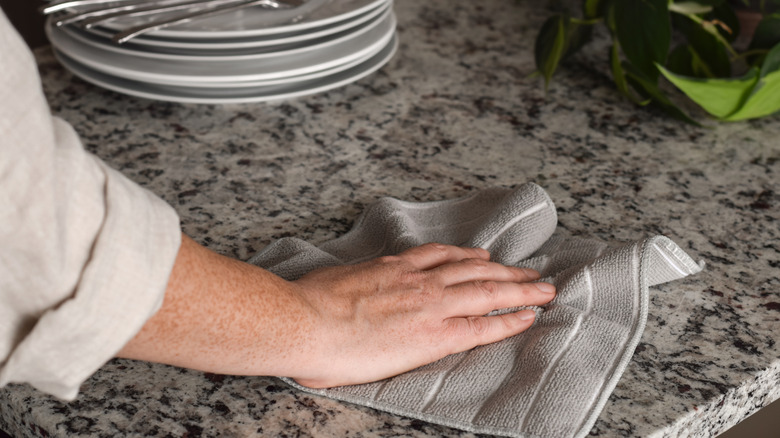
Cleaning granite countertops takes a bit of extra attention as well. It needs to be done daily, preferably after every meal, and it's important to blot spills right away instead of swiping and spreading them across the countertop. And you won't be grabbing just any cleaning agent from under the sink. It's best to choose a stone soap or mild dish detergent, and avoid acidic cleaners, since some types of granite can contain minerals that are sensitive to acidity.
The weight of granite can make installation more complicated
As you can imagine, a granite slab doesn't arrive at your house in a neat little box that a single person can haul inside. Natural stone is heavy, so transporting and positioning a large countertop piece requires a lot more muscle power and skill than installing lighter materials. A typical granite installation can take up to eight hours, though larger or more detailed projects can easily take more time. That timeline could increase if old countertops also need to be removed. You'll essentially need to stay away from the area until workers have completed the job.
But the process actually begins long before installation day. The granite you've so lovingly chosen has to be carefully templated and fabricated to make sure that openings for sinks, faucets, and other fixtures end up in exactly the right places. Fabricators are also considering things like seams, joints, visual placements, and other details that homeowners may never realize. In other words, all of this takes plenty of time and planning, which is exponentially magnified because of the heaviness and bulkiness of solid granite.
That same weight can even affect what's underneath it, including the cabinetry and sometimes even the flooring. So you might need to provide extra support before that chunk of natural beauty lands in its forever spot. Most of this isn't considered a DIY project for the average homeowner, so plan accordingly.
Granite can still chip or crack in spite of durability
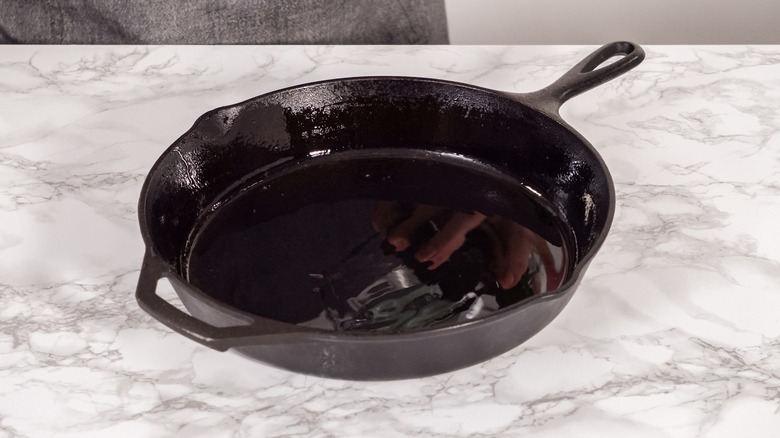
Granite's toughness is one of its biggest selling points, as it's bolstered by hard minerals that give the stone an impressive resistance to scratching. Most granite countertops stand up well to everyday use, but "tough" doesn't always mean indestructible. Chips can still happen, especially along countertop edges that have more exposure to heavy objects or passers-by. Cast-iron and other heavy cookware can also leave their mark during busy cooking sessions.
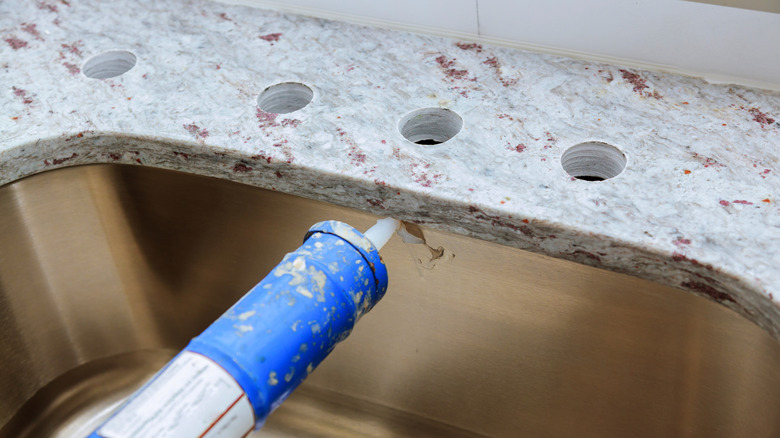
When chips do happen, it may be best to have the granite countertops professionally repaired. This will ensure a more consistent finish, particularly when it comes to matching the epoxy color and handling other details that aren't always obvious. Larger damage such as cracks can be even more problematic, often requiring a professional for restoration.
These things, of course, can ding your pocketbook in minor or major ways. Depending on the actual damage and local contractor prices, repairs can easily cost hundreds of dollars when professionally done. All in all, you don't have to totally "baby" granite countertops, but restoring natural stone surfaces can be more complicated than simply repairing or replacing sections of a less expensive material.
Natural variations and seams can make the finished look unpredictable
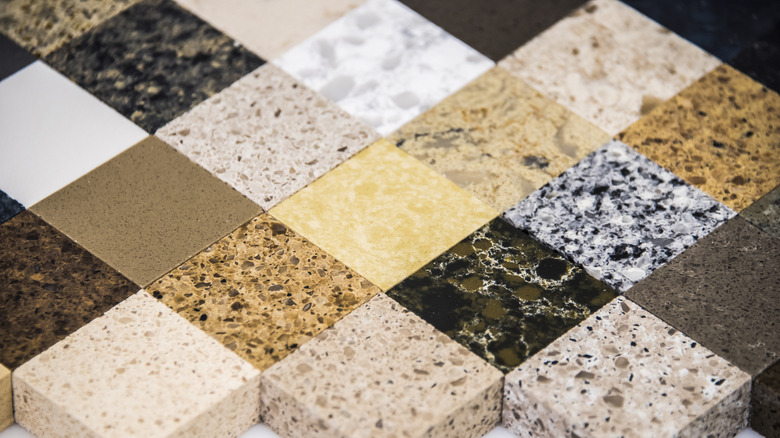
Part of what makes granite so appealing is that no two slabs look exactly alike. Your kitchen, in essence, becomes an original, functional work of art. All the patterns, mineral deposits, colors, and speckles create the natural-stone character that a manufactured countertop can only replicate. However, if your goal is a sleek, modern aesthetic, the uniqueness of individual granite slabs could be considered a disadvantage. If that's the case, check out other gorgeous alternatives to granite countertops, from tile to stainless steel.
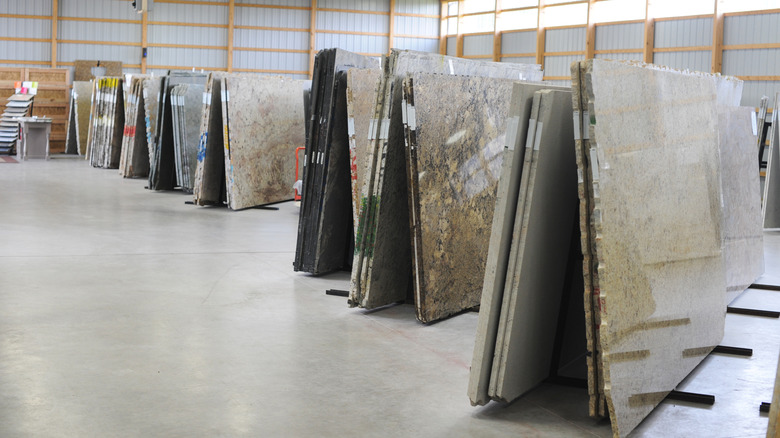
If granite still remains your heart's desire, avoid a common mistake when buying granite countertops, which is failing to inspect the granite in person. In fact, it's wise to choose the exact section of granite that will be cut from larger blocks of stone. Home kitchens will each have different dimensions and needs, so what you're seeing in a showroom example may not be the actual piece of granite that's delivered to your home. Even slabs cut from the same general block of stone can have differences in the pattern, so go ahead and be picky — ask to approve the exact piece you'll be getting.
Then there are the seams. Depending on the amount of granite and the specific layout, you may need several seams. L- and U-shaped counters often require joints where the countertop changes direction, and skilled installers can use color-matched epoxy to minimize the appearance of those connections. But the result can be imperfect, so don't expect the seams to completely disappear.