

These Were The Most Popular Red Wine Brands In The '60s
We may receive a commission on purchases made from links.
If you picture the wine scene in the 1960s, you might think of sophisticated, well-dressed people sipping fancy blends or swirling their wine like an at-home sommelier. Truthfully, though, wine drinking in the 60s was much more down-to-earth. There are so many kinds of red wine, and people then had just as much trouble discovering their taste preferences as you might today. The decade had grocery stores filling up with affordable, domestically-made wines that were easy on the palate and could be paired with almost any meal. This helped new wine drinkers settle into a scene that may have felt initially intimidating.
Some of these wines have since disappeared, but some of the wineries that thrived in the 60s are still thriving as household names today. From a rich Burgundy to a sparkling Lambrusco and exotic South African bottles, here are some wines that defined what drinking looked like throughout the decade.
Carlo Rossi Red Mountain
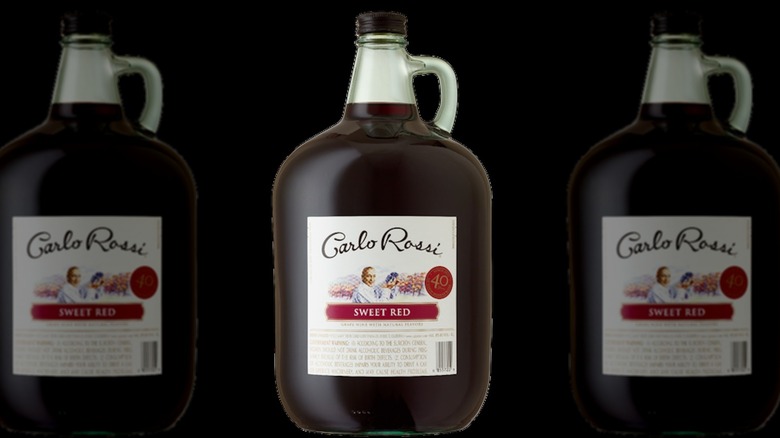
The 1960s were the decade of jugged wine. Carl Rossi's Red Mountain was certainly not a wine reserved for special occasions and fancy dinners; rather, it was a cheap wine that was often purchased by younger drinkers. It tasted extremely fruity, resembling a wine cooler more than a true red wine. It was sold in gallon jugs for as low as $1.50, making it accessible to almost everyone. You can still purchase the wine in the signature jugs, and the brand is still a fan favorite in terms of affordability.
Charles "Carlo" Rossi became a well-known personality as his signature wine grew in popularity. He began working for E. & J. Gallo Winery in the early 1950s and introduced his Red Mountain wine. He wanted to simplify the wine game; many Americans were intimidated by the growing number of bottles that were available to them, and with so many options, each with their own tasting notes and wineries, it felt difficult to choose correctly. Rossi wanted to make simple wine made for real people. He appeared on television spots and newspaper interviews, repeating his famous slogan, "I like to talk about wine, but I'd rather drink it."
Gallo Hearty Burgundy
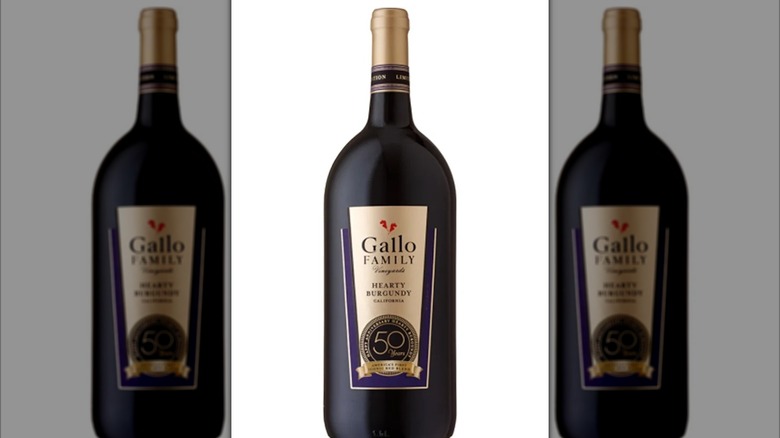
Despite its French-sounding name, this wine was another American creation from the E. & J. Gallo Winery, and its success showed that a European-sounding beverage could succeed while still being affordable. Gallo Hearty Burgundy was practically tailor-made for the American dining table of the 1960s; its "hearty" name came from the substantial, food-friendly wine that paired well with a big (usually Italian) meal. The Hearty Burgundy was sold in a 1.5-liter bottle, making it perfect for parties or other large gatherings, though the winery also emphasized that it could be a casual drink.
Because Gallo was one of the wineries that offered less expensive options for the average working family, the Gallo Burgundy was many folk's first experience with wine. The flavor was sweet and jammy, so it was easy to drink. When it first hit liquor store shelves, the Burgundy was made with Zinfandel and Carignan, though Syrah and Sangiovese are now incorporated into the blend. Gallo's wine has stayed consistent; you can still buy a 1.5-liter bottle for under ten dollars. E. & J. Gallo is still a thriving winery; the company produces wines for Aldi and boxed wine for Costco.
Riunite Lambrusco
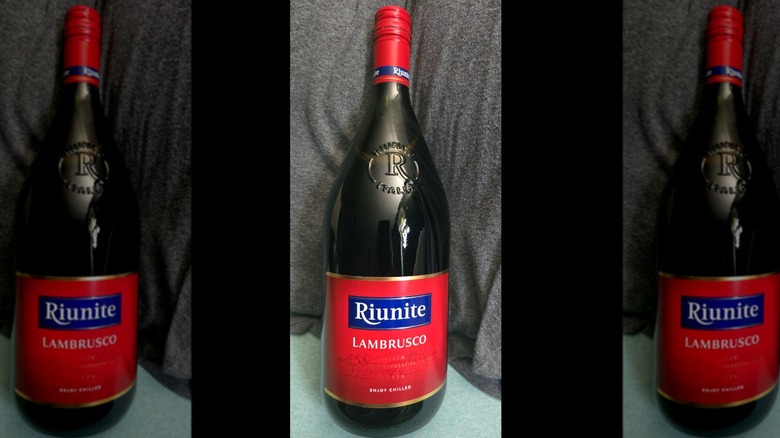
Riunite Lambrusco reached its peak popularity in the 1970s, but its early presence in America dates back to the 1960s. Italian wines were becoming increasingly popular and a familiar beverage in American households. Lambruscos were different from the aforementioned hearty reds; they were refreshing, fruity, and lightly sparkling. If you weren't up for a serious, highly tannic red, this would be much more your speed. Many reds demand to be decanted and served with a luxurious steak dinner, but Lambrusco is actually better served chilled and pairs well with a huge array of light meals or appetizers.
Riunite's branding also did much of the heavy lifting in making it America's best-selling Italian wine. The brand's slogan, "Riunite on ice, that's nice," not only taught consumers how to pronounce the brand's name, but also encouraged drinkers to put the wine over ice cubes, something that's not traditional for a red wine. This drink felt more fun and easy-going than many red wines on the market. For some, it brings back nostalgic memories of time spent in Italy; for others, it's so easy to drink that it brings no memories at all (if you know, you know). Lambrusco, along with other semi-sparkling Italian wines, is having a booming comeback in many metropolitan areas.
Lanzerac Pinotage
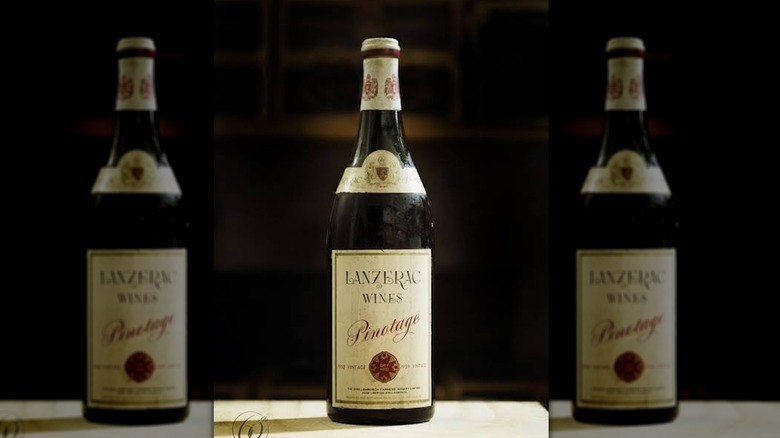
This wine isn't just interesting to drink; its popularity has a long and significant history. The first professor of Viticulture and Enology, Abraham I. Perold, aspired to develop a wine connected to his homeland of South Africa. Perold crossed the Pinot Noir and Cinsault grapes to create Pinotage with its robust and intense flavor. Lanzernac was the first commercially bottled Pinotage in 1959, with its popularity steadily increasing throughout the early 1960s.
The 1960s were when South Africa was establishing its identity in the wine space. Lanzerac Pinotage offered something completely different from what Americans were seeing, forging its own path rather than reproducing popular European wine styles. The wine was slightly controversial because of its flavor profile; the taste could vary widely based on how it was produced. This unpredictability drew consumers to it, and the deviation from the norm, coupled with its interesting origin story, allowed the brand to skyrocket during the remainder of the decade. The complex wines, coupled with their rich history, make South African wines worth exploring.
Zonnebloem Cabernet Sauvignon
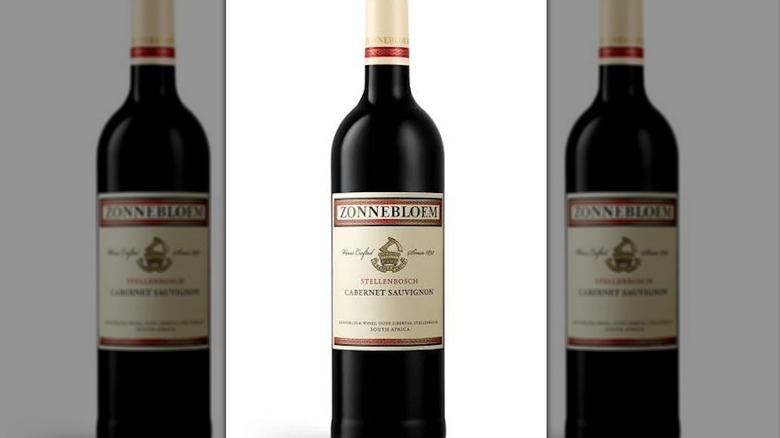
Cabernet Sauvignon had already established itself as one of the world's most predominant red wine varieties, and Zonnebloem helped demonstrate that South African winemakers could produce familiar, Cabernet-based wines. This wine offers a snapshot of a developing industry learning to work with international grape varieties while adapting them to local conditions. The Zonnebloem Cab was a bit more complex than other South African wines such as Lanzerac Pinotage. Depending on the year, the cabernet had tasting notes of caramel and cherries with a bit of spice. While not as sweet as its countrymen, it still had a port-like finish.
The 1960s marked the beginning of an era of serious winemaking, so it is remarkable that some Zonnebloem bottles have held up so well over the decades. Early in the history of these wineries, winemakers lacked much of the knowledge they have today, as well as equipment designed for aging bottles. Despite the factors working against them, many vintage collectors covet Zonnebloem Cabernets. Today, the historic Zonnebloem vintages appeal to collectors precisely because they connect modern South African winemaking with an earlier chapter.
Taylor Wine Company Burgundy
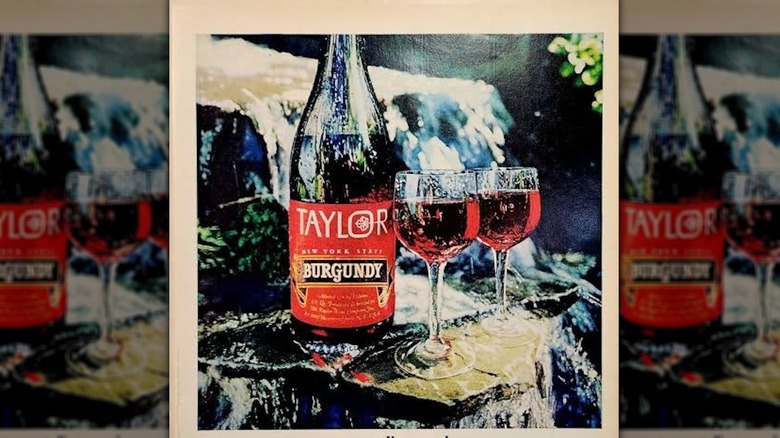
Taylor Wine Company was a major name in New York State's wine industry. The company's Burgundy-style wine was developed during a period when American wineries were trying to perfect their take on European-style beverages. The Taylor Wine Company operated in the Finger Lakes region of New York, an area that would eventually become famous for cool-climate wineries. During the 1960s, consumers were becoming more interested in wine, but people were still more familiar with generic styles such as Burgundy than with specific grape varieties.
While Burgundies are traditionally made with Pinot Noir grapes, Taylor Wine's contains a hybrid of American grape varieties. The Burgundy title instead indicated to the consumer what kind of wine they could expect: a dry dinner wine that paired well with simple, hearty dishes. Many wineries did this during the time when Americans were still getting to know the differences between certain wine types, as it helped people distinguish tasting notes and body when they sought out to buy a bottle.
Spanada
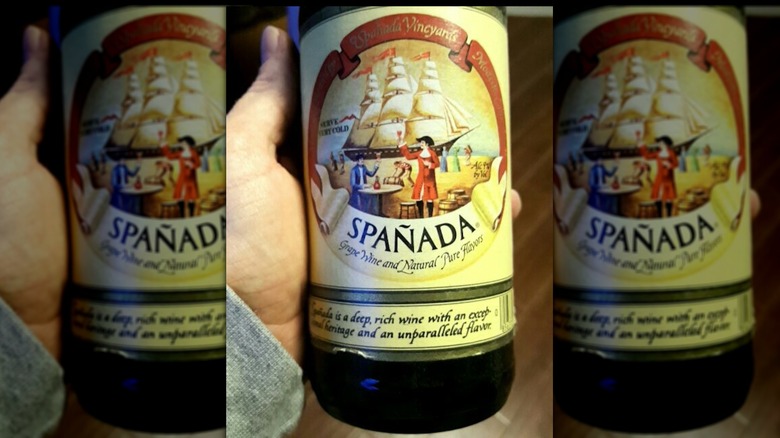
Spanada is one of the brands that made wine really feel fun. Its approachable style made it an easy choice for consumers who weren't interested in dry, complex wines. The bottle's handle and metal screw-cap also signaled the drink's casual nature. Was it wine? A wine cooler? Punch? All people knew was that it tasted good and went down easy. The flavor was so sweet and fruity that some people thought it tasted more like a Sangria. Some younger drinkers would mix fruity sherbet with the wine to create a sugary party punch. Entertaining at home was becoming hugely popular in the 60s, so people wanted something fun, easy to drink, and able to serve a lot of people.
The memories of Spanada as a party wine are valuable because they reveal how broad the definition of "wine" once was for American consumers. Today, wine marketing tends to divide bottles into very specific categories, but products like Spanada are much more laid back in their labeling and marketing. Wineries were trying to introduce their beverages to a wider audience, and making a drink accessible was one of the easiest ways to do that.
Ripple
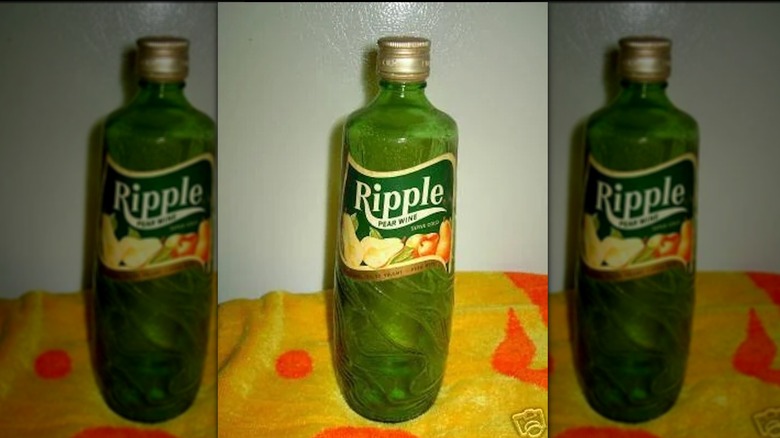
Ripple was one of the quintessential wines of the 1960s. This E. & J. Gallo wine was a fortified, sweet wine-based beverage that came in several varieties like Pear and Pagan Pink. Immediately known as a "cheap" wine, its affordability opened it up to customers who might not have previously considered themselves wine drinkers. It was also heavily associated with pop culture, advertising, and the changing drinking habits of young Americans during the 1960s.
Because Ripple had a lower ABV than most wines of the era (about 11%), this one snuck its way into the bellies of many a 60s teenager. Adults figured a sip wouldn't do much harm because it was essentially a wine cooler. As these teens grew up and drank a bit more, though, Ripple is fondly remembered as a drink that was nearly always accompanied by a smarting headache. Ripple was also at the center of drinking trends, with some drinkers combining the wine with 7 Up for a drink dubbed Champipple.
Strawberry Hill
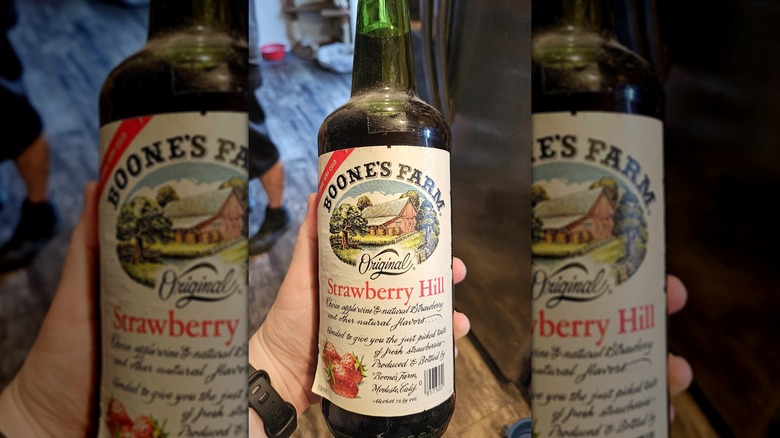
Strawberry Hill was another wine that leaned unapologetically to the sweet side. As its name implies, it had a sickly-sweet strawberry flavor that younger consumers found incredibly easy to drink. Generally priced at around $6 a bottle, it is one of the cheapest wines you can buy, just as it was in the 1960s. Because of its light, sweet flavor, Strawberry Hill is a great base for mixed drinks like spritzes and Sangrias. Like many sweet, lighter reds, people enjoyed it over ice or chilled in the fridge.
While a dry wine indicated the status of the drinker, people who were less inclined to impress their company would lean toward wines like Strawberry Hill that were more enjoyable to the unseasoned drinker. If you were newly of legal drinking age and still discovering your tastes, you would certainly lean toward something like Strawberry Hill that was reminiscent of drinks you'd had in your youth.
Sandeman Port
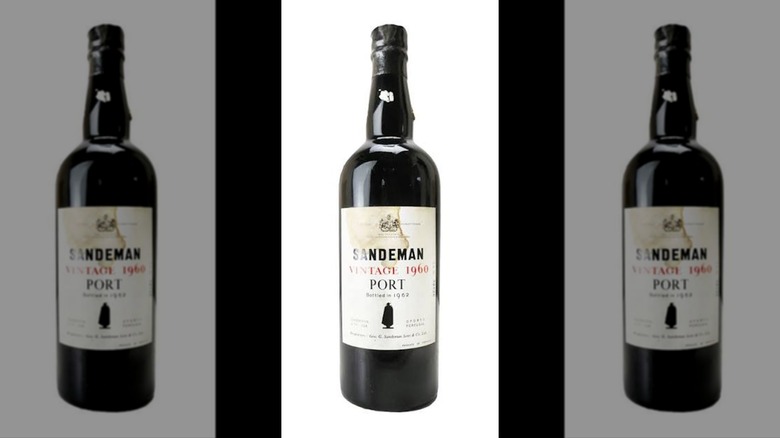
Ports are sweet, rich, fortified red wines that are often reserved for after dinner. While winery owners worry that Port is losing a bit of its cultural relevance today, the Port business was booming in the 1960s. Sandeman's Port has a much older history than the other wines on this list, with the brand dating back to 1790. The company's famous Don logo, depicting a mysterious figure in a cape and wide-brimmed hat, helped turn Sandeman into one of the most recognizable wine brands in the world. While some of the other wines on this list aimed to make drinking accessible to the everyman, Sandeman represented the other side of this spectrum: that wine could be complex and develop an even more interesting flavor with time and patience.
Sandeman vintage wines are now priced at anywhere from $50 to over $500. A declared vintage can become particularly collectible because the best bottles are intended to age for many years. So, a 1960 Sandeman Vintage Port isn't just a memento from the decade; it can be a historical wine with decades of development behind it.