

How To Order Cocktails Like You Know What You're Doing
If your go-to bar order is wine or beer, even when a cocktail sounds better, take note: ordering cocktails isn't complicated. There's no reason to feel intimidated by the bar scene, the bartender, or the vast variety of available cocktail options. When you're ready to venture out of your comfort zone, I have compiled seven helpful tips to make ordering a breeze.
To ensure you hit the bar armed with useful information, I reached out to several experts in the field. I tapped Marc Gravel, bar manager at Fairmont Century Plaza in Los Angeles; Lucas Huff, U.S. spirits ambassador for Foley Family Wines & Spirits; Cristine Faunce, beverage manager at Hard Rock Hotel & Casino Atlantic City; Jessica Hazuda, lead bartender at The Albion Summit and Felina Summit in New Jersey; Derek Becker Montano, head bartender at Wild Rye in Bend, Oregon; Danny Hartzell, bartender at Limewood at Claremont Resort & Club in California; Jay Kurtz, bartender at Jade Bar at Sanctuary Camelback Resort & Spa in Phoenix, Arizona; Dale Dcruz, director of food and beverage at Grand Hyatt Grand Cayman Resort & Spa in the Cayman Islands; Carla Rivera, event service captain at Constellation Culinary Group; Rob Barter, venue director of beverage at El Ultimo at Mexico Ceaty in San Antonio; and Edgar Morales, bartender at Sobra Masa in Brooklyn.
Thanks to the valuable insight from these well-informed professionals, you can walk up to any bar with poise and confidence. Get ready to order whatever cocktail you desire.
Name your liquor first
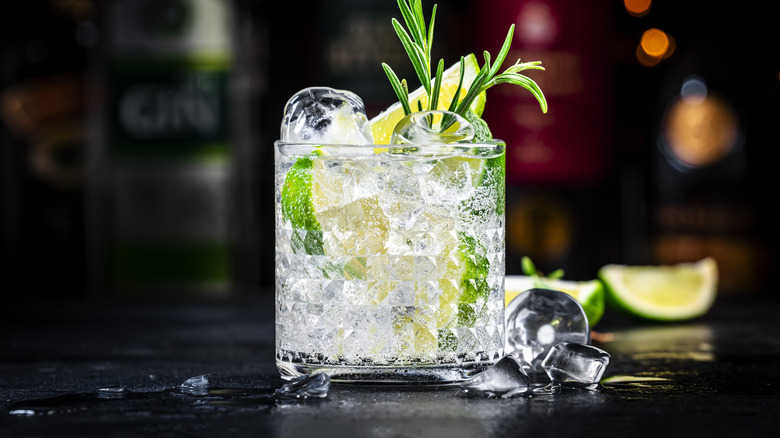
The standard format for ordering a simple cocktail is naming the liquor first. For example, vodka and soda, gin and tonic, rum and Coke, and so on. According to Lucas Huff, "Bartenders consider the spirit used as a base, so if you think of it that way, start at the bottom and work your way up!" There are exceptions to this rule, and Rob Barter gives examples of named cocktails, like the margarita, Negroni, Manhattan, and old fashioned. In that case, you simply order the drink by name.
However, in instances where you want to modify a named cocktail, you still put the liquor first, Dale Dcruz explains. For example, order a mezcal Negroni if you want mescal instead of gin, or a bourbon Manhattan if you want bourbon instead of rye whiskey. Dcruz states, "The idea is that when you're changing the defining spirit of a classic, putting the spirit first makes the modification immediately clear to the bartender." He assures us not to worry so much about the specific cocktail terminology, because as long as the bartender knows what you'd like, you're good to go.
If you prefer a brand, ask for it
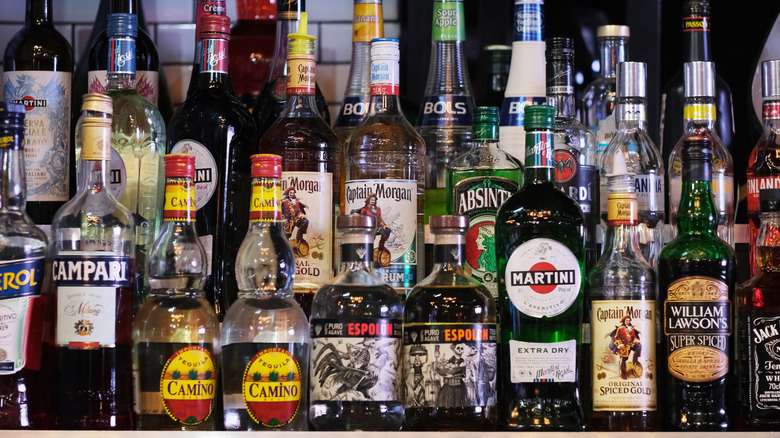
If you've had a positive experience with a particular brand of liquor, don't be afraid to ask for it by name. For example, if you like Tito's, ask for it when ordering a vodka drink, like this: "Tito's and soda, please." Carla Rivera explains that if you know you like a specific brand, you can give the bartender a complete order right away. She asserts, "If you simply say, 'vodka tonic,' it then becomes the bartender's responsibility to ask whether you have a preference." She adds, "A bartender who's particularly sales-oriented may respond with a premium suggestion, such as, 'Grey Goose?'"
Jessica Hazuda says that asking for a certain product helps the bartender prepare exactly what you want. When Hazuda is behind the bar, she often reaches for well liquor when the customer doesn't specify a brand. Well drinks are typically made with the bar's cheapest alcohol, and it's the go-to in these cases. This might be a fine choice, but don't hesitate to ask for recommendations if you're unsure.
Jay Kurtz advises against asking what the bar's well spirit is, however, stating that it's not the best look. He explains that it's more beneficial to both the customer and the bartender for the former to either have a specific brand in mind or to more generally ask what's available at the bar.
Contemplate the style of drink you want
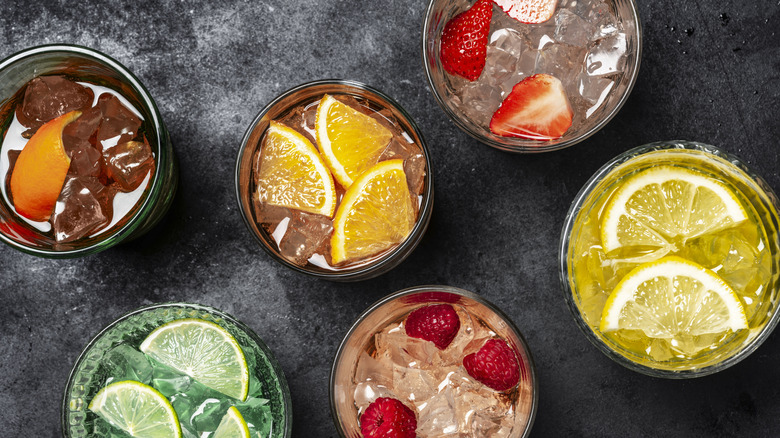
One of the most important decisions you need to make when ordering a cocktail is the nuances of the drink. For example, are you in the mood from something tart or sweet? Would you like your drink on the rocks (over ice) or up, meaning no ice in the final product? These are important considerations that can make or break your enjoyment of the drink. If you're unsure and need some help, ask the bartender. Jay Kurtz advises, "You can say something along the lines of, 'I'm not sure what I'd like, but I'm in the mood for something more on the tart side and vodka-based. What would you suggest?'"
Cristine Faunce says that most bartenders are eager to please the customer and states that their "ultimate goal is to make the guest feel comfortable, understood, and excited to try something new." Giving the bartender a flavor direction is incredibly useful, so consider what taste experience you're looking for and take it from there.
Rob Barter notes that it's perfectly fine if you don't know cocktail terminology. He suggests telling the bartender what you have in mind, like, "I'd like something tequila-based that's not too sweet," or "I'd like a martini, but I've never had one. What would you recommend?" Edgar Morales agrees and asserts, "If you don't know what you like, try describing what you don't like. The more descriptors, the better."
Feel free to customize, but don't overburden

Asking for a highly customized drink, especially when the bar is packed, isn't always appropriate. Dale Dcruz says that simple adjustments — think less sweet, more tart, no garnish, or using a different base spirit — are fine, but he states, "Where it becomes difficult is when a guest essentially asks the bartender to create an entirely new cocktail while the bar is busy." He also advises against ordering some obscure or original drink you enjoyed once at another establishment somewhere and expecting the bartender to know exactly what you're talking about.
Carla Rivera agrees and says customization also becomes a problem when a guest chooses an existing cocktail and tries to drastically change it. She explains that those cocktails have been "specifically developed, curated, and tested to work a certain way." She adds, "If you want to change several components, you're essentially creating another drink." In those cases, tell the bartender what you want and let them suggest something you might like.
Of course, some bartenders like the challenge. Derek Becker Montano says he welcomes having his skills, knowledge, and adaptability challenged by patrons. He asserts, "When I make something specific for the guest and do my job well, it will make the guest feel special, and that is always my goal."
Consider the cocktail menu
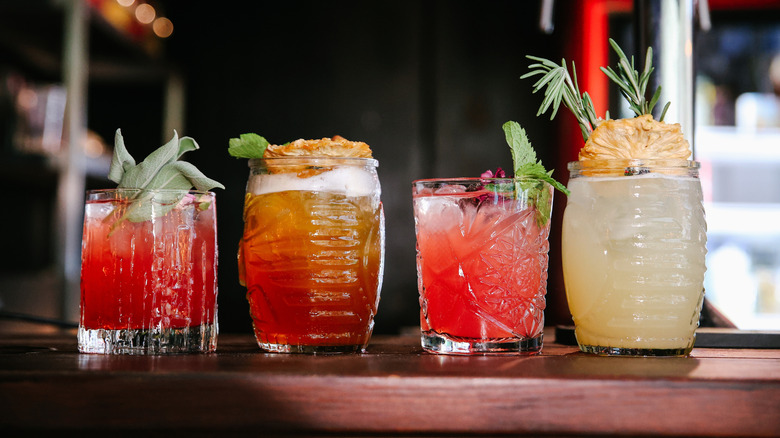
When in doubt, pull the cocktail menu out. Many bars have a unique selection of cocktails that have been artfully crafted to appeal to a wide range of customer interests. Dale Dcruz declares, "If a bar has a cocktail menu, I generally recommend starting there." He explains that the drinks on the cocktail menu have been created by the team behind the bar and often highlight the staff's style, ingredients, and strengths. Derek Becker Montano agrees and adds, "It is best to order something off the specialty cocktail list, because those are cocktails that are typically unique and may not be available anywhere else." He says he keeps a bevy of "cocktails up [his] sleeve for curious or adventurous guests."
Jessica Hazuda states that the cocktail menu is more than list of cocktails. She stresses that these menus tell a story about the atmosphere of the bar. Lucas Huff adds that cocktail menus are often created with pride, and if a drink is on the list, it's likely to be tried and true.
If you're curious about the cocktail menu but don't know where to start, ask the bartender for advice. Once you state what you're in the mood for, or what flavors you lean towards, they can guide you the rest of the way.
Ask the bartender for advice
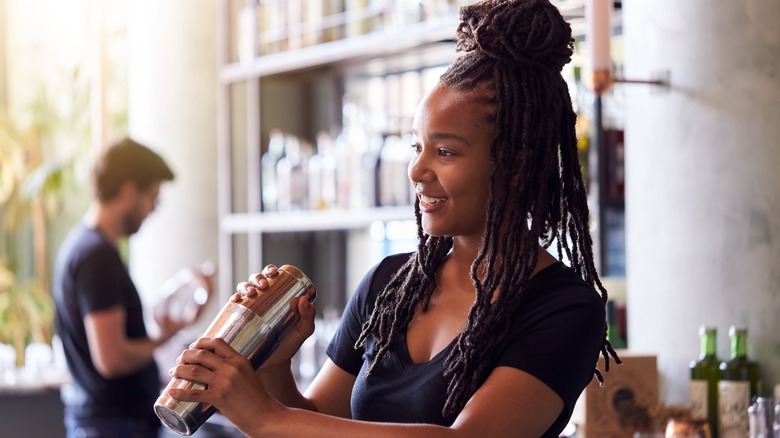
Asking for assistance was the running theme from all the experts I interviewed. Turns out, bartenders are generally (and genuinely) friendly folks who aim to make your experience top notch. Cristine Faunce says that asking questions doesn't make you look inferior and states, "Admitting you are not familiar with [a] certain spirit and asking what it is like is a sophisticated question." She adds, "Confidence comes from being curious." Carla Rivera says it comes down to knowing what you like. If you can communicate that clearly, and with respect, you're ahead of the game.
Rob Barter suggests that folks simply "tell the bartender what spirit you like, whether you prefer sweet, tart, bitter, or boozy drinks, and whether you're open to suggestions." One example Barter provides elucidates his point: "I usually drink bourbon old fashioneds. Is there something on your menu that's similar?" He assures us that when armed with this information, bartenders can make fitting recommendations.
Dale Dcruz agrees and says that if you see an ingredient you don't recognize listed or a cocktail you've never heard of, then simply ask the bartender what it tastes like. He states, "If you're completely unsure, give your preferences to the bartender, and most will always happily work with you to craft your own customized cocktail. Dcruz adds, "And if you're generous with your tip, you may even earn the privilege of christening your creation with a name!"
Mind your manners

Suggesting you behave yourself at the bar should go without saying, but I'm including it here because my experts were adamant that it be shared. Danny Hartzell's advice: "Read the room and avoid being the center of attention." Bars can be lively venues, and part of going out is to experience that vibe — but don't push its limits by overdoing it and ruining it for everyone else.
This advice is especially important when the bar is busy. When attempting to order, Marc Gravel says, "Do not wave, yell for attention, or cut in front of others." He adds, "Wait your turn like everyone else." Jay Kurtz advises against interrupting the bartender when he or she is busy. He states that it's not polite to ask the bartender, "Oh, what is that you're making?" with every drink. He adds that folks should refrain from asking things like, "What's good here? What do you have that's cheap? Can you make me something strong? Can you make me something that looks pretty for Instagram? How much do you charge for...?" as these are all inappropriate questions when the bartender is hard at work.
Carla Rivera reminds us that the bar is a workspace, so don't lean or reach over the bar, touch any equipment, or grab things from the station. And most importantly, she adds, "Definitely don't eat the garnishes!"