

Concerned About Chemicals In Nonstick Pans? A Doctor Says Look For These Terms On Cookware
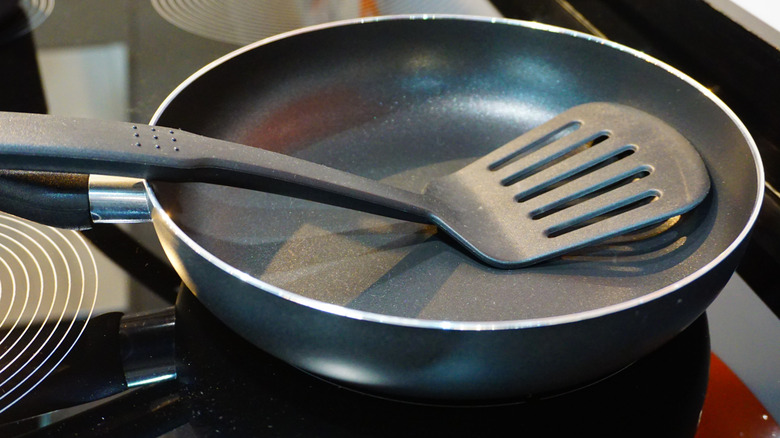
Chemicals in our food, in the ground that grows it, and in the pans that cook it are all legitimate concerns, accompanied by endless information that's sometimes difficult to substantiate. Fortunately, consumers today do have ways to protect themselves, especially when choosing the best kind of cookware. To that end, we gained some intel from expert Dr. Scott Noorda, a longevity physician. He discusses some concerns regarding nonstick pans, what terms to look for, and alternative types of cookware to consider.
First, it helps to understand those much-aligned chemicals present in many nonstick pots and pans, and to know what's at stake. The culprit is toxic, synthetic, fluorinated chemicals referred to as PFAS, along with PTFE and a few other P-acronyms that work together in making cookware slick and resistant to grease and water. The concern, in a nutshell, is the negative effects they can have when building up in the human body and in the environment. To bypass cookware made with these substances, Dr. Noorda recommends dismissing common marketing terms and focusing on specific language.
"We see a lot of vague claims like 'eco-friendly,' 'green,' 'stone-derived,' 'granite,' or 'titanium-infused'," he says. "Those words can sound reassuring, but they do not necessarily tell you whether the pan contains fluorinated nonstick chemicals." Instead, you need to look for telltale indicators. "Before purchasing a pan, I recommend looking beyond the box and the ad lingo. Check the manufacturer's website, product specs, FAQ page, or safety disclosures. Look specifically for language such as 'PFAS-free,' 'PTFE-free,' 'PFOA-free,' and 'fluoropolymer-free.' PTFE is the chemical name most people associate with traditional Teflon-style coatings, so a pan can be 'PFOA-free' and still contain PTFE."
Forever chemicals accumulate from various sources
The so-called "forever chemicals," such as PFAS, get lot of attention, so Dr. Noorda explains in further depth why they can be so dangerous when ingested. "From a health perspective, my goal is not to create fear but to educate on how small problems — and on the reverse side, small positive changes — can add up," he shares, noting how the human body can usually detoxify on its own, but can reach a point where natural defenses fail to be enough.
"Modern life gives us a lot of small chemical exposures from many directions — food packaging, water, personal care products, cleaning products, air pollution, and cookware," he explains. "Over time, that 'total toxic load' can become overwhelming, especially because PFAS are persistent chemicals, meaning they do not break down easily in the environment or the body."
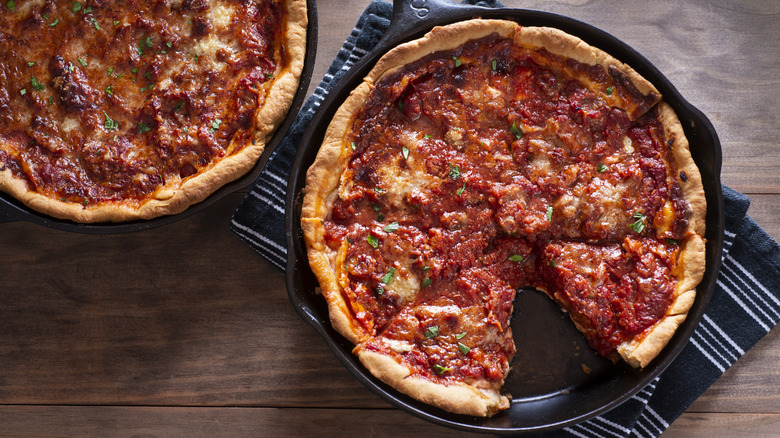
People concerned about these chemicals in nonstick pans are, fortunately, not doomed to stuck-on foods and heavy, after-meal scrubbing. Dr. Noorda recommends cookware options that are made of cast iron, stainless steel, carbon steel, and genuine ceramic, or even, to a lesser degree, ceramic-coated versions. And, of course, they should also be specifically labeled as PFAS-free, PTFE-free, and PFOA-free. He also goes into more detail about how these materials are potentially safer to work with, as well as how to care for them.
Working with alternative cookware
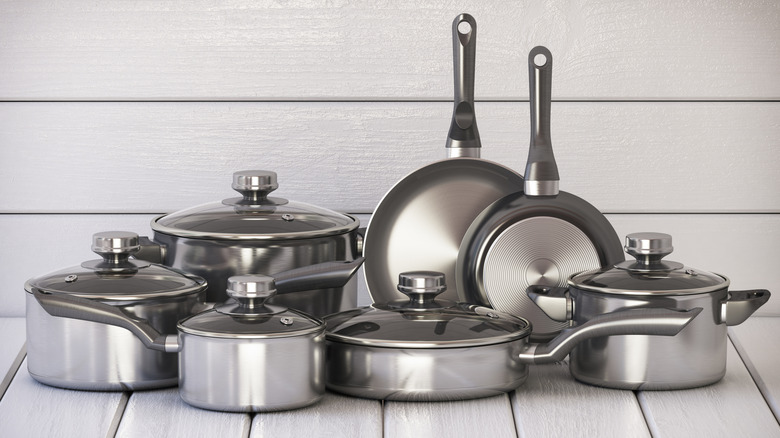
If you're ready to take a U-turn from toxic chemicals in your kitchen, there are a few things to keep in mind. Alternatives to Teflon-style cookware can vary considerably, depending on the material and maintenance needs. Dr. Noorda reveals his preferred choices to be cast iron and stainless steel cookware. "Stainless steel is one of my top options to recommend because it is durable, versatile, easier to clean, and does not use a nonstick coating that can wear down over time," he says.
"Cast iron and carbon steel are also excellent, especially once properly seasoned. They develop a natural nonstick surface through layers of polymerized oil, rather than a synthetic chemical coating," explains Dr. Noorda. "The tradeoff is that they require a little more care: They should be dried well, lightly oiled, and not left soaking in water." He also cautions that cast iron could increase iron levels in foods, so take that into account if it's a health concern for anyone in your household.
Then there's ceramic cookware and ceramic-coated versions from brands like Caraway and other cheaper alternatives. They can be a viable option, but be aware that coatings typically aren't permanent. "Ceramic coatings can also wear down, so they should be treated gently: Avoid metal utensils, high heat, abrasive scrubbing, and using them once the surface becomes scratched or damaged," cautions Dr. Noorda.
For more perspective on the topic, check out the three types of cookware Andrew Zimmern suggests to keep chemicals out of your food, and the toxic fast food condiment mistake everyone needs to avoid, which (spoiler alert) involves PFAS chemicals in fast-food packaging.