

These 11 Beloved Cakes Ruled The 1960s
We may receive a commission on purchases made from links.
If you're looking for cake inspiration, look no further than the 1960s — when the cakes were decadent and plentiful. Many of them don't require anything fancy, and you may already have the ingredients for some of them sitting in your cupboard and fridge, though others might require a trip to the grocery, or even the liquor, store.
Many cakes of the 1960s used shortcuts like boxed cake mixes or canned fruit to make cake-making easier. Some of the ones that originated in earlier years were simplified by the 1960s. Others became more complicated, with the addition of extra fruit, nuts, and spices that the original recipes didn't have.
Our list includes cakes with a variety of fruits, several with nuts, spiced cakes, chocolate cakes, cakes infused with soda, cakes infused with liquor, one with a ridiculous amount of butter, and still another with a can of soup in it. With all of these 1960s cakes deserving a comeback, we're sure you're going to find one (or several) of them you'll want to add to your wish list to make.
Apple Charlotte
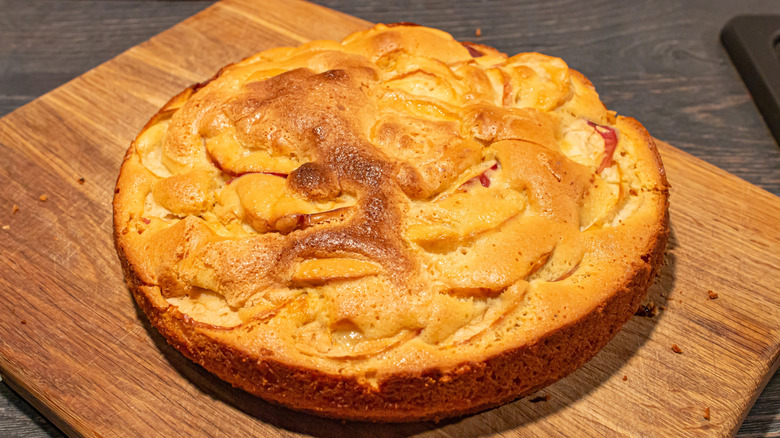
The Apple Charlotte cake wasn't first created in the 1960s, but Julia Child helped to popularize it in the U.S. when she featured it on her television show "The French Chef." It became popular enough that magazines started publishing recipes for it during the decade.
It was supposedly first made in England to honor George III's wife, Charlotte, and came in various flavors. Charlottes are often baked in a mold, with ones like the Gobel 8-cup Charlotte mold still being available. Charlottes tend to feature sponge fingers or pieces of bread, sugar, butter, and seasonal fruit. Adding apples to make an apple Charlotte seems logical, too, since Queen Charlotte was an apple farmer patron. The first mention of Charlottes goes back to 1796, whereas the 1807 cookbook by M.E. Rundell, "A New System of Domestic Cookery" has a simple recipe for an apple Charlotte.
Apple Charlottes have evolved over the years. For example, the French version — Charlotte aux pommes — is often served with a sweet vanilla dessert sauce called crème anglaise. You might also find it filled with spices like cinnamon, ginger, or cardamom; infused with liquors like rum, brandy, or Grand Marnier; and full of other ingredients like raisins and pecans. It's somewhat like a fancy bread pudding, but being made in a mold makes it more cake-like.
Apple dapple bundt cake
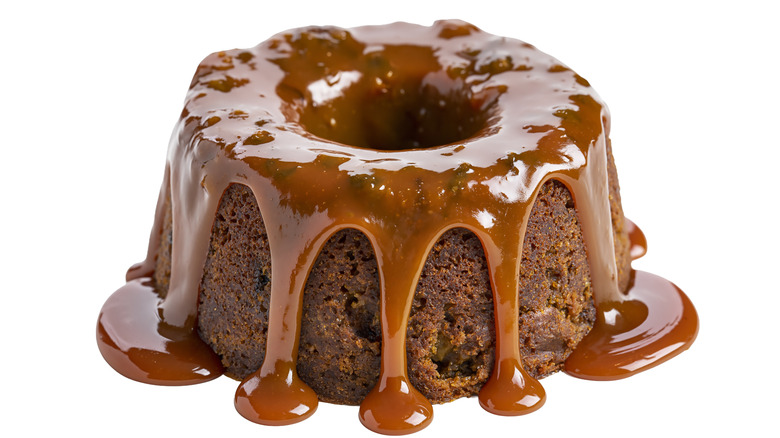
Another popular apple cake of the 1960s was the apple dapple Bundt cake. The origin of this cake has been lost to time, but it started being popular in the mid-1960s. Not only is this cake filled with apples, but it also has a delicious buttery caramel glaze on top. This one definitely needs to make a comeback because its apples, nuts, warm spices, and topping seem like such an obvious combination, especially during the fall season.
This cake is baked in a traditional Bundt cake pan and is spiced with cinnamon and sometimes nutmeg. Many people use Granny Smith apples, but other firm baking apples like honey crisp can work well, too. Vanilla is a common flavoring, and some people also add fresh lemon juice. It includes your choice of nuts (often pecans), and some people add raisins to it, as well. The caramel glaze is made with brown sugar, butter, and canned milk or whipping cream. It's also common to poke holes in the cake so that the caramel glaze saturates the cake rather than just coating the top.
While this cake was traditionally baked in a Bundt pan in the 1960s, we have seen some people make it as a sheet cake instead. So perhaps that's the modern upgrade for those who don't own a fancy Bundt cake pan.
Black forest cake
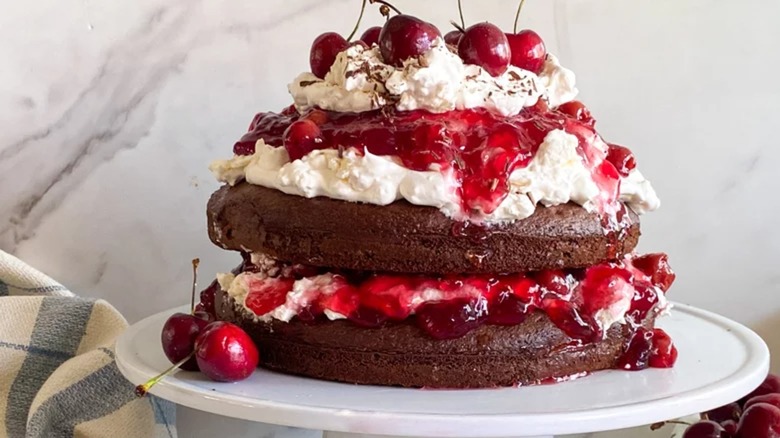
Black forest cakes didn't originate in the 1960s or even in the U.S., but they became popular that decade. These chocolate cakes with cherries and whipped topping are not only beautiful to make with their chocolate shavings and cherries on top, but also have an added bonus of sometimes being boozy. Who can resist that?
The history of this cake is a little murky, but it originated somewhere in German-speaking central Europe in the early part of the 1900s. It's possible it originated in Germany, where it was common to serve cooked sour cherries with whipped cream and a sour cherry brandy. In fact, several German pastry chefs from the 1930s get credit for this dessert. Other origin possibilities are Austria or perhaps Switzerland, which makes sour cherry brandy in its Black Forest region (probably how the cake got its name) and names this cake as its national dessert. It spread throughout the world and, by the 1960s, had become a popular restaurant dessert item and home-baked dessert in the U.S.
Easy black forest cake recipes in the U.S. had a few changes, using more familiar and time-saving components. Instead of a chocolate sponge cake or chocolate short pastry, home cooks often used a devil's food cake or vanilla butter cake base (often boxed). They substituted sour cherries with sweet cherries, and many teetotalers also omitted the sour cherry brandy, which might not have been so easy to find.
Chocolate pudding cake
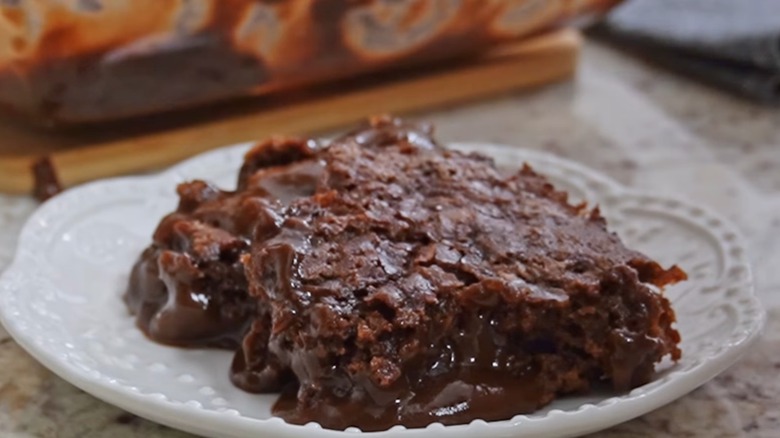
Chocolate pudding cake is a chocolatey, molten-lava-cake-type wonder of the 1960s that certainly deserves a comeback. It comes out of the oven with cake on the top and a chocolate pudding sauce on the bottom. However, it's a low-work cake that looks far more complicated than the process actually is for making it. Chances are, you already have all the ingredients on hand, which means you can trot it out for a potluck or weekend dessert on a whim. And interestingly, there's no chocolate pudding mix required.
Most recipes you'll find for this cake are almost identical. You start out by making a base batter, mixing common chocolate cake ingredients together. Then, you pour the thick cake batter mixture into a pan, sprinkle brown sugar over the batter, and pour hot water over the batter and brown sugar. However, the version in the Betty Crocker cookbook adds cocoa to the brown sugar layer and adds nuts to the cake batter. It's important not to stir the layers together because it's the layers that create the magic of the cake rising to the top and the gooey chocolate fudge pudding sauce pooling at the bottom of the pan.
This cake is best served hot, spooning the hot sauce over the top or simply flipping the cake upside down. The hot cake makes a nice contrast with cold ice cream or whipped topping. Just be aware that once it cools, the cake will have absorbed the sauce.
Coca-Cola cake
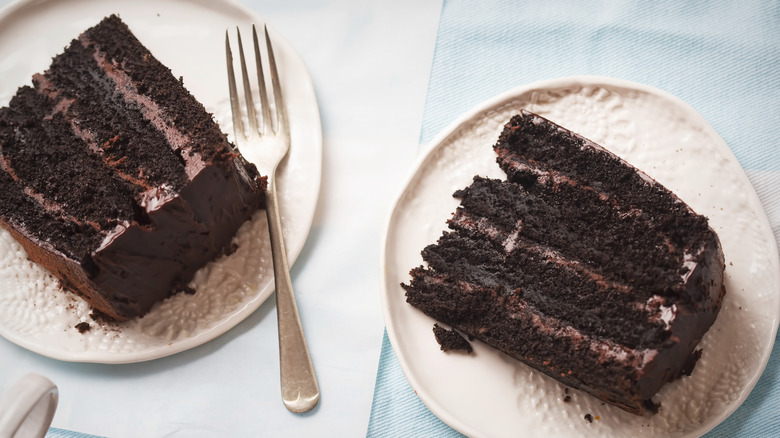
It's difficult to track down when home cooks started making Coca-Cola cakes because it's an easy liquid addition to a chocolate cake recipe. While you started to see recipes for Coca-Cola cake crop up in the 1950s, it's the 1960s when a specific recipe for this cake really started to show up like crazy in newspapers, especially in the South. Since it's a one-bowl recipe, it often appeared on tables any time an occasion called for a cake. It's a sweet, fluffy, melt-in-your-mouth chocolate sheet cake that is just as satisfying today as ever.
Both the cake and the icing include Coke as an ingredient, though there are some other surprising ingredients besides soda. Buttermilk adds to the cake's richness and moisture level, while miniature marshmallows melt into the cake during baking to give it even more sweetness. The Coca-Cola-infused chocolate icing is a boiled icing that you pour over the top of the cake when it's done baking and cooling. Then you sprinkle pecans over the top of the cake (if you're the type of person who likes nuts on your chocolate desserts).
If you haven't tried this cake before, we do want to warn you that it doesn't actually come out tasting like Coca-Cola; rather, it's just like a super moist and sweet chocolate cake. However, if you're a chocolate lover and have a big sweet tooth, you're definitely going to want to resurrect this recipe from the 1960s and give it a try.
Dump cake
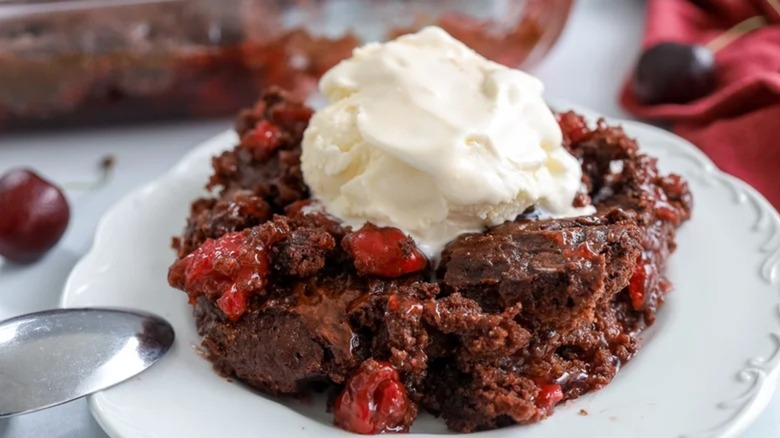
Dump cake has neither a pretty name nor yields a pretty cake. But the excellent flavor and ease of making this cake will have you returning to it time and again after you rediscover this 1960s gem. There's some indication that this recipe might have first shown up on the back of a boxed cake mix, though wherever it came from, it really started becoming popular toward the end of the 1960s, especially in the South.
The beauty of this lazy foolproof cake is that you can change up the cake and filling ingredients to make an endless array of flavors depending on your whim. To make a dump cake, all you need is a boxed cake mix, two cans of pie filling or canned fruit, and butter. You simply add your pie filling of choice on the bottom of a baking dish, sprinkle dry cake mix on top of the pie filling, pour half a cup of melted butter over the top, and bake at 350 degrees Fahrenheit for 45 minutes.
You can use any cake and fruit combo that sounds good to you, or just experiment with what you have in the cupboard. You could add extras like nuts, and there's even a cherry cola dump cake recipe that combines a devil's food cake mix with cherry pie filling, chocolate chips, and Coca-Cola. Plus, these cakes are great served a la mode, with a scoop of ice cream over the top.
Doctor bird cake or hummingbird cake
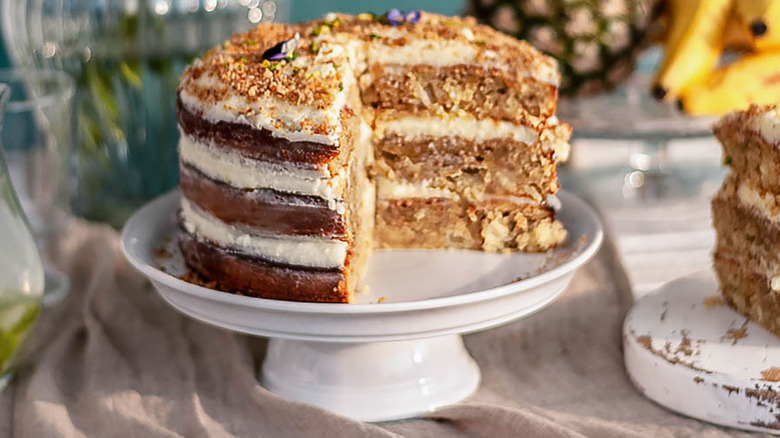
Another vintage cake from the 1960s that deserves a comeback is the doctor bird cake, which was later known as the hummingbird cake. While most people think of hummingbird cakes as a Southern cake, it actually made its way to us via Jamaica. It's a spiced cake that contains tropical fruits like pineapple and bananas, and is topped with a vanilla cream cheese frosting and pecans.
After Jamaica received independence from Great Britain in 1962 and no longer had an economy based on slavery and sugar, the Jamaica Tourist Board used this cake to highlight some of its other crops: bananas and pineapples. In the 1960s, the Tourist Board started putting recipes for its doctor bird cake in the newspaper and sending the recipe to media sources abroad. To make that make the name of the cake make a little more sense, doctor birds (a.k.a. red-billed streamertails) are Jamaica's national bird from the hummingbird family.
Supposedly, it was originally known as a doctor bird cake because of how sweet and attractive the fruity ingredients would be to hummingbirds. When the cake hit publications in the U.S. South, its popularity exploded so much that some tend to think of it as a Southern cake rather than a Jamaican one. It also doesn't seem to have been known as a hummingbird cake by name until the 1970s, which is also when pecans started to become part of the cake ingredient list.
Lane cake
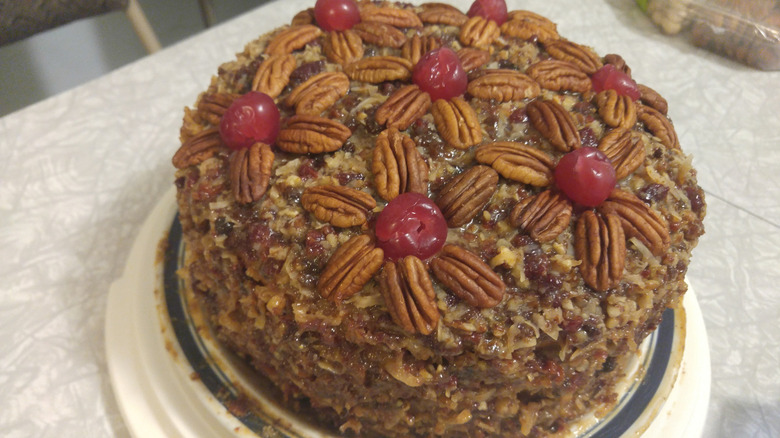
Lane cake isn't an easy 1960s cake to make, but it's a stunner. Once you've had it, you won't soon forget it. Since it took a bit of work, it was more likely to show up for special occasions like holiday meals rather than as an everyday dessert. It's a layered white cake with a rich and boozy cooked filling made from ingredients like eggs, butter, bourbon or brandy, maraschino cherries, coconut, pecans, and raisins. It sometimes included pineapple, as well, and some people like to put cherries on top.
The very first lane cake recipe was in a cookbook called "A Few Good Things To Eat" by Emma Rylander Lane, which was published in Alabama in 1898. Lane simply called it a prize cake since it had won a county fair prize in Georgia. However, it didn't really rise to fame until Alabamian Harper Lee mentioned it in her classic book "To Kill a Mockingbird," which came out 1960. In the book, it's Scout's neighbor who makes the bourbon-spiked cake. Despite the book's nationwide fame, it tended to remain a Southern cake.
This cake takes time and effort to make since you have to ensure you don't end up with scrambled eggs when boiling the frosting. You also have to wait an hour for the cake to cool before you can top it with filling, but it's well worth all the effort when it's done.
Kentucky butter cake
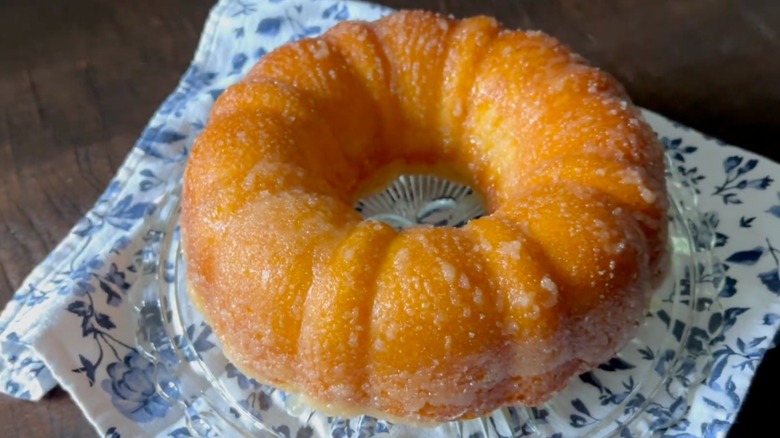
The Kentucky butter cake started making waves in the 1960s after it won the 1963 Pillsbury Bake Off baking contest. Kentucky butter cakes are dense like pound cakes and generally get baked in a pound cake or Bundt pan. Not only does the cake itself have a full cup of butter, but the vanilla glaze contains a third of a cup of butter as well. Plus, you poke holes in the cake itself to let the glaze soak into the cake for more buttery, sweet goodness.
If you're a big fan of buttery cakes, this one is going to make your mouth very happy. Plus, in addition to all that butter, there are a lot of eggs and sugar in the cake, as well as buttermilk and vanilla. The buttermilk is the other ingredient besides butter that helps make the cake tender, though it adds a tangy element to the flavor profile, too.
We've also seen modern versions of the recipe that take the "Kentucky" in Kentucky butter cake a step further by adding bourbon to the buttery sugary vanilla glaze. So, if all that butter doesn't win you over to giving this cake a chance for a comeback, the bourbon might. This cake is just as good hot and fresh out of the oven as it is later after it's cooled down.
Tomato soup cake
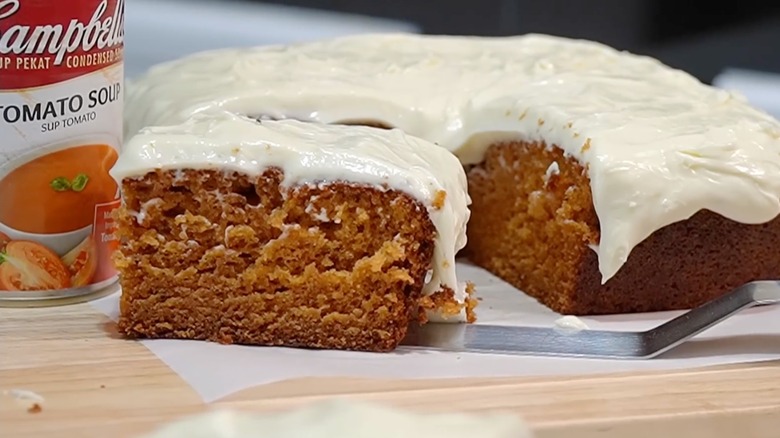
Many people in the 1960s got a taste of the retro classic canned tomato soup cake and found they truly loved it. The cake contains a can of Campbell's tomato soup along with spices like allspice, cinnamon, and cloves. Plus, it has a vanilla cream cheese frosting with optional nuts. For those feeling a little squeamish about the tomato-based cake idea, you'll be happy to know it doesn't taste like tomatoes and is sweet rather than savory. The tomatoes complement the spices. Plus, soup helps add extra moisture to the cake.
The history of tomato soup cake goes back to the 1920s or 1930s, when a spiced tomato soup cake appeared in a cookbook, and it stayed popular during the Great Depression. In 1940, the Campbell's soup company used the idea to create a fruit and nut pudding, continuing to modify the recipe in its cookbooks. It wasn't until Campbell's put it on a soup can label in the 1960s that the recipe really took off. The 1966 version seemed to be the most successful since it was easy to use with a boxed cake mix.
Interestingly, Campbell's tomato soup spice cake recipe went viral on TikTok in 2026, so there's a chance this 1960s cake could make a real comeback. We've seen some modern recipes that add raisins, which seems like a good twist. Another modern twist is to omit the spices and use a chocolate boxed cake for a chocolate tomato soup cake.
Tunnel of fudge cake
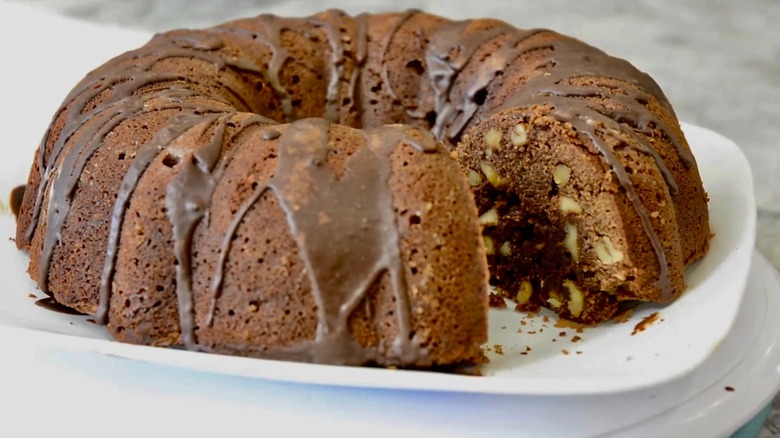
Lastly, we have this 1960s wonder known as the tunnel of fudge cake. While we mentioned the Kentucky butter cake won the Pillsbury Bake-Off Contest in 1963, the tunnel of fudge cake won the 2nd place in 1966, and it's the dessert that endured. The magic of this cake is that you simply blend together all the ingredients, pour it into a Bundt cake mold, and it automatically creates its own tunnel of fudge in the center (along with a chocolate glaze).
The original recipe involved mixing together butter, eggs, sugar, flour, a package of Pillsbury Double Dutch fudge buttercream frosting, and walnuts. The walnuts were essential to creating the inner fudge layer and couldn't be omitted. While you can adapt some cakes to any pan, this one really required a Bundt cake pan, with the cake's popularity leading to a lot of Bundt cake pan purchases. The factory had to make 30,000 pans a day to keep up with the demand at one point, and Pillsbury ended up selling packages that contained the cake mix, frosting, and Bundt pan all in one.
While you can still easily get a Nordic Ware original Bundt pan for the cake, a key ingredient no longer exists: Pillsbury's double Dutch fudge buttercream frosting mix. While Pillsbury has released a modern version of the recipe to help you recreate it without the frosting, it doesn't quite yield the same results.