

Quote Of The Day By Chef David Lebovitz: 'That's Also When I Learned — The Hard Way — The Difference Between...'
We may receive a commission on purchases made from links.
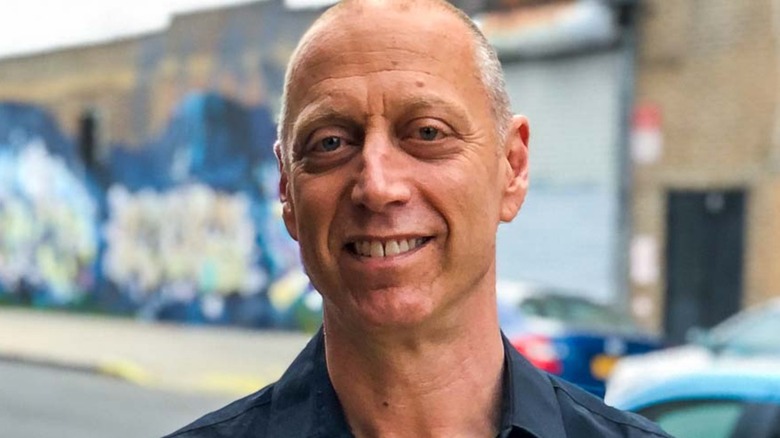
Pastry chef and author David Lebovitz grew up in Connecticut in the early 1960s, later working in restaurants in upstate New York as a teenager. After college, Lebovitz backpacked around Europe, as many recent graduates do, where a chance meeting with a woman from San Francisco led him to move to the Bay Area where he began working in restaurants behind the pass. After learning the culinary ropes at a San Francisco institution, Zuni Café, he eventually got a job at his dream restaurant, world-renowned Chez Panisse, the restaurant that defined California cuisine, in Berkeley, CA, where he spent a staggering 13 years as a pastry chef.
Chef Alice Water encouraged him to write a cookbook, so in 1999 he wrote "Room For Dessert" alongside launching his own website, which he has since grown into a highly influential blog and newsletter with a massive following. Lebovitz sought out a more formal chocolate education, attending Ecole Lenôtre in France and Callebaut Academy in Belgium, as well as the Valrhona Ecole du Grand Chocolat. Belgium is known for its chocolate, and Valrhona is a premium French chocolate brand, so it's no wonder Lebovitz is such an authority on his passion, chocolate.
Lebovitz moved to Paris in 2004, and his website includes many of his French recipes and favorite restaurants in the city, as well as in-depth, realistic insights into life in Paris. These include discussion of his Parisian breakfast routine and the joys and difficulties of moving and living abroad. Since moving to Paris, Lebovitz has published eight more cookbooks and has been featured in a vast array of food and lifestyle publications, including Bon Appétit, Condé Nast Traveler, and The New York Times. In 2019, Lebovitz won SAVEUR's Blog of the Decade award.
Quote of the Day by chef David Lebovitz
"That's also when I learned — the hard way — the difference between semisweet chocolate and unsweetened chocolate, which was called baking chocolate back then."
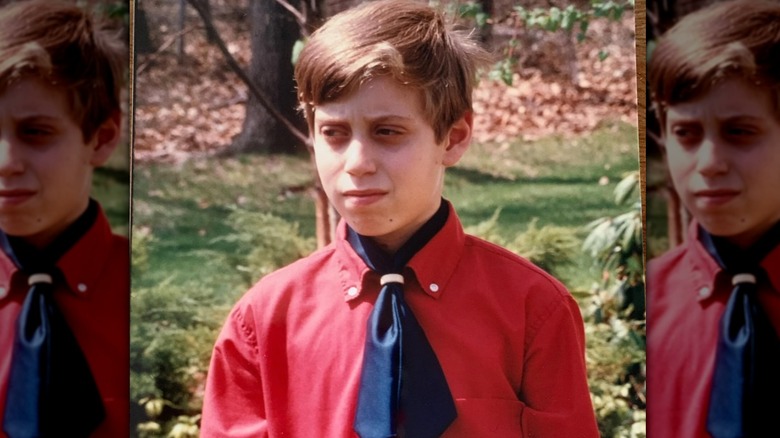
This quote comes from the introduction of David Lebovitz's cookbook "The Great Book of Chocolate, Revised: The Chocolate Lover's Guide with More Than 50 Recipes", one of nine cookbooks written by the pastry chef, cookbook author, and Francophile. In the introduction, he waxes poetic about his love for chocolate that has been with him since childhood. He describes sneaking into the kitchen to steal little bites from paper-wrapped squares of chocolate in his mother's pantry as a child, which sometimes was an unfortunate mistake, depending on which type of chocolate he happened to encounter.
Biting into a chunk of completely unsweetened chocolate can be jarring for an adult, let alone a child stealing a chocolatey treat. Compared to a sweet and melty milk chocolate, traditional baking chocolate is unsweetened and incredibly bitter and would be unappealing to a child like Lebovitz looking for a sweet snack. It's not difficult to imagine why this memory has stuck with him for so long and has even made its way into one of his cookbooks. Although now Lebovitz is able to taste any type of chocolate like a total connoisseur, his palate was far less evolved as a child than it is as an adult pastry chef.
Deeper meaning of David Lebovitz's quote
There are many types of baking chocolate that are unique and very different from snacking chocolate. Baking chocolate is also known as raw, unsweetened, or bitter chocolate and is often made without any sugar, or at least with very little sugar, and is designed to be used in baking for making chocolate confectionaries. The lack of sugar is usually necessary to balance out other sources of sweetness in sweet treats. Baking chocolate also tends to melt and combine better than snacking chocolates as it contains fewer fillers and added ingredients, which makes it perfect for creating luscious brownies or chocolate-enrobed bonbons. In fact, even your cookies deserve a dose of unsweetened chocolate to keep the flavors in balance with the large amounts of both granulated and brown sugars in the dough.
However, after attending prestigious culinary and chocolate-centric schools, it's safe to say that Lebovitz won't make that same childhood mistake again, especially now that he has easy access to incredible French chocolate. In the introduction of "The Great Book Of Chocolate, Revised", Lebovitz describes that now, as an adult and pastry chef and certified chocolate fanatic, there doesn't seem to be a single type of chocolate he doesn't enjoy, although he does reserve that unsweetened variety for baking applications. Despite his long career surrounded by it, Lebovitz's love for chocolate has never faltered, even after learning a bitter chocolate lesson at an early age.
More quotes from David Lebovitz
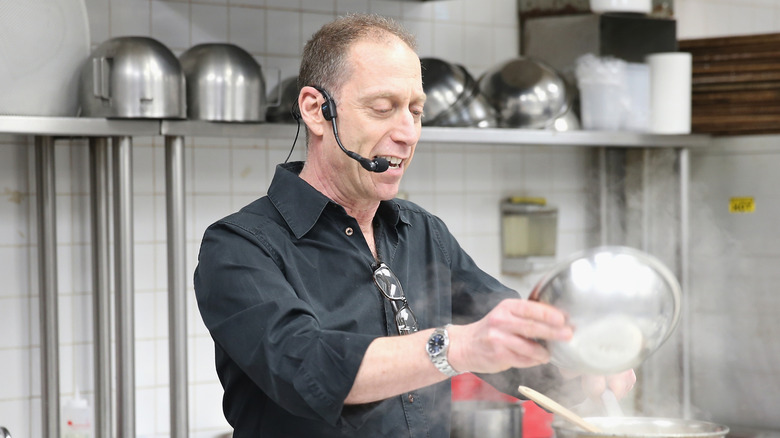
"I don't think of my career as a passion. I do a lot of different things, such as Pilates. But I am always thinking about what I'm going to eat." — Interview with Susan Herrmann Loomis
"I'm a chocoholic. You might think that term would apply to me, but I've never liked it. 'Chocoholic' implies that enjoying chocolate is a problem. But I love chocolate and don't consider that a problem at all. It's quite the opposite: Chocolate makes me happy, and I know from baking in restaurants, and for friends and family at home, that I'm not the only one who feels this way." — Intro to "The Great Book of Chocolate, Revised: The Chocolate Lover's Guide with More Than 50 Recipes"
"I wonder why people complain about the noise of an ice cream maker, but not the noise made by vacuum cleaners. (I don't know about you, but I'd rather make ice cream over vacuuming.)" — From davidlebovitz.com
"You never feel more American than when you leave America." — From his book "L'Appart: The Delights and Disasters of Making My Paris Home"