

15 Brands Many Don't Realize Are Owned By PepsiCo
As one of the biggest brands across the globe, PepsiCo nets many billions of dollars annually from a vast network of food and beverage brands within six global divisions, including PepsiCo Food North America (PFNA). Given such a reach, it's hardly surprising that some of the world's most well-known and well-loved beverages tuck under the PepsiCo family wings — but so do a whole lot of snacks, treats, and food products you might not have imagined.
In fact, the PepsiCo extended family is huge, with at least 500 brands worldwide keeping the legacy going and growing. That goes far beyond PepsiCo's small snacking brands. If that seems astounding, you're certainly not alone. In 2025, PepsCo revealed that only 21% of consumers were able to name a PepsiCo brand beyond the actual Pepsi soft drink. Following is a look at 15 of those brands that, although you'll most likely recognize them, you probably didn't realize were connected to PepsiCo. Even former bootstrapped mom-and-pop ventures are now part of a vast food empire.
Sabra
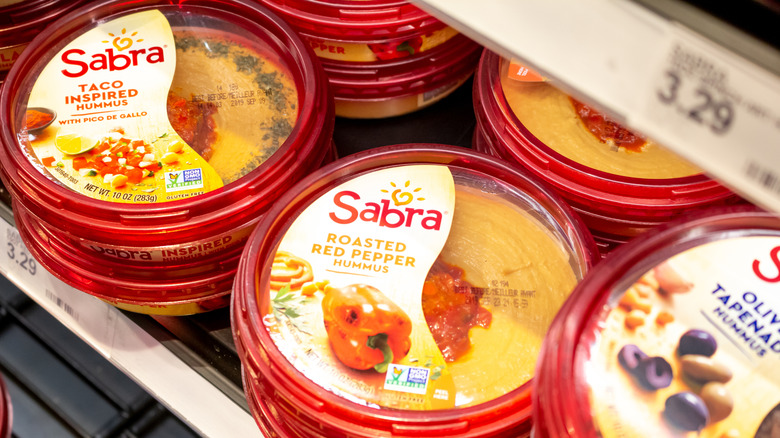
Springing to life in Queens, New York, back in 1986, Sabra is now considered America's top hummus brand, selling traditional hummus tubs, party-size containers, and portable snack packs. While still based in New York, the brand spreads the love from production facilities in Virginia to family-owned chickpea farms in the Pacific Northwest. Sabra also produces guacamole in Mexico using genuine Hass avocados. It became a wholly owned PepsiCo subsidiary in 2024.
SodaStream
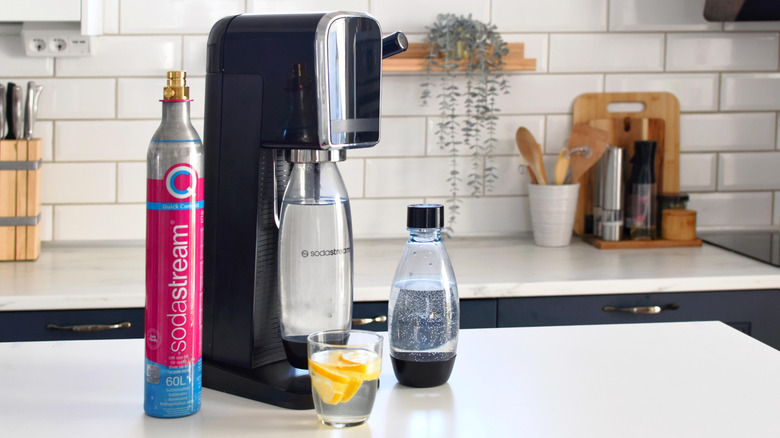
SodaStream began back in 1903 with a carbonated water system for designed for home use. The brand now sells multiple styles of sparkling water makers, reusable bottles, carbon dioxide cylinders, and flavor products for making fizzy customized drinks. PepsiCo finalized its buyout of SodaStream International in December 2018, scooping up all outstanding shares for $144 each.
Quaker Oats
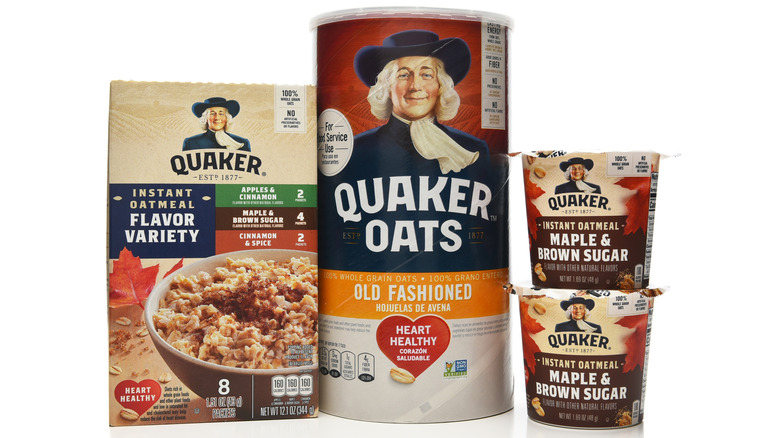
Quaker Oats made U.S. breakfast history when the Quaker name was registered in 1877, creating the first trademark for a breakfast cereal. Today, Quaker sells a wide array of food products, including old-fashioned and instant oatmeal, grits, cereals, granola bars, rice cakes, and other grain-based goods. PepsiCo completed its merger with the Quaker Oats Company back in 2001, and the stalwart oatmeal brand has been with the corporation ever since.
Cracker Jack
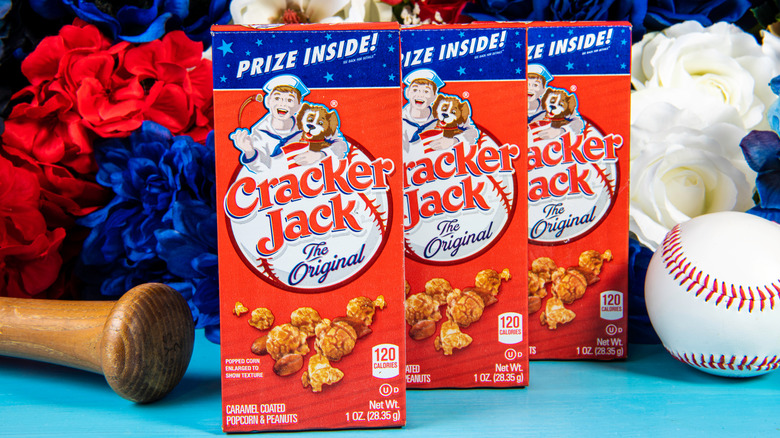
A box of Cracker Jacks is the stuff of childhood memories, with strong ties to the world of baseball. These caramel coated popcorn and peanut snacks entered American culture after arriving at Chicago's first World's Fair in 1893, later becoming well-loved for hidden surprises tucked into every box, not to mention a name-drop in "Take Me Out to the Ballgame." PepsiCo's Frito-Lay division agreed to purchase Cracker Jack from Borden Foods in 1997, injecting some extra-sweet nostalgia into the world of snacking.
Gamesa
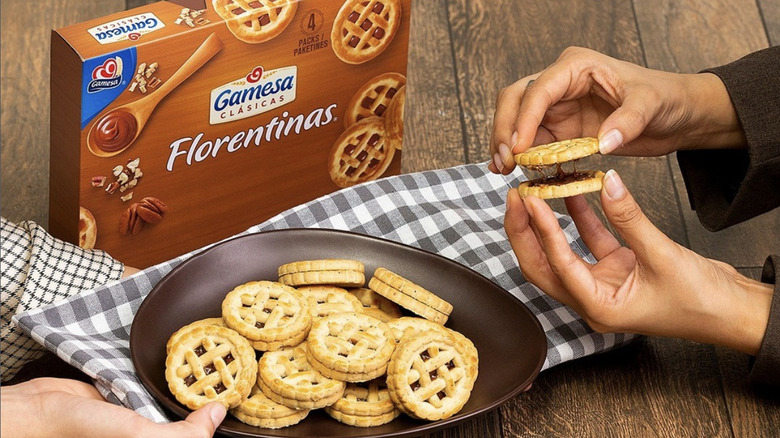
Gamesa got its start in Monterrey, Mexico, initially launching under the name La Industrial S.A. in 1921. It's now considered Mexico's largest cookie manufacturer, peddling cookies and crackers in the U.S., Mexico, Central and South America, and the Caribbean. Numerous labels operate beneath its umbrella, including the widely recognized Marias Gamesa, as well as Emperador, Crackets, Chokis, Arcoiris, Mamut, and Saladitas. PepsiCo acquired the brand in 1990.
Cheetos
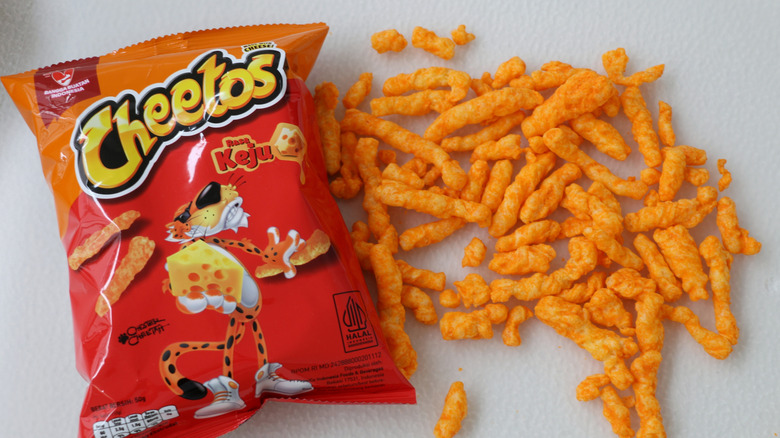
A highly recognizable name in PepsiCo's snack sector is the orange-powder wonder Cheetos. The brand dates to 1948, when it was first invented by Fritos founder Charles Elmer Doolin. Eventually, Cheetos folded into Frito-Lay, which later merged with Pepsi-Cola in the mid-'60s to become PepsiCo. Cheetos morphed into a high-profile brand with devoted fans, with today's lineup spreading beyond the original crunchy snack to include puffs, Flamin' Hot varieties, baked products, minis, and macaroni and cheese.
Chester's
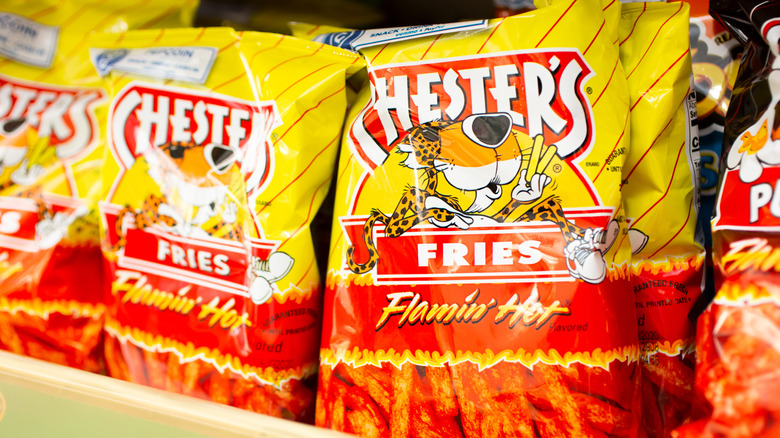
You'd be forgiven for thinking Cheetos and Chester's are fraternal twins given they belong to the same PepsiCo company and share the same Chester Cheetah mascot. However, the mascot became so popular that he got his own spin-off, and has appeared alongside other food mascots at the Super Bowl. A trademark for the Chester's snack name lists January 1, 1995, as its first use for puffed corn snacks, cementing its transition to standalone status. It still carries an entire line of Puffcorns snacks, but the real Chester's star is its fiery Flamin' Hot Fries.
Bare
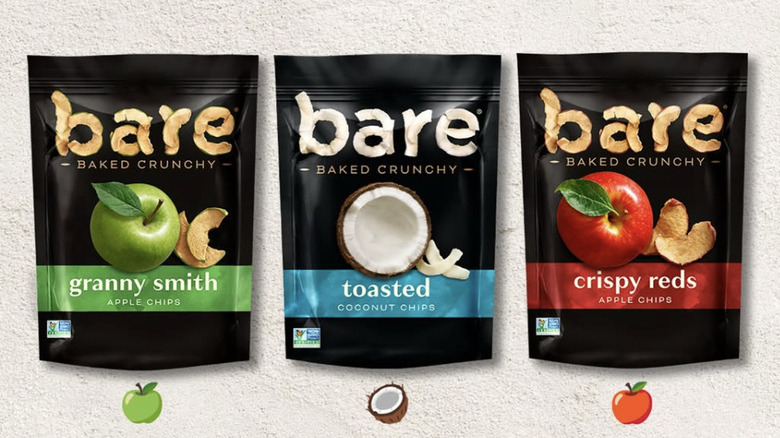
Bare products came about in 2001 as the brainchild of a family-owned organic apple farm in Washington state, where its baked apple chips made their debut at local farmers markets. The non-GMO baked "chips" have now expanded to include baked banana, coconut, beet, carrot, and sweet-potato versions, plus granolas and fruit and nut bars. None of these snacks contain artificial colors, flavors, or preservatives. In May 2018, PepsiCo announced its agreement to acquire Bare Foods, though noted that the business would remain independently operated.
Grandma's
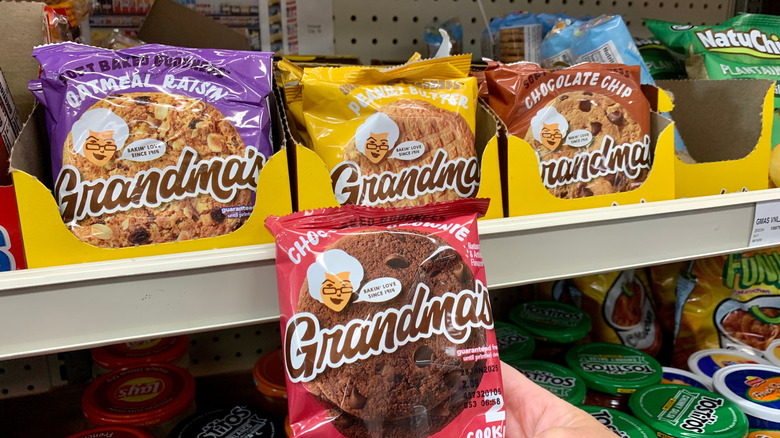
With a nostalgia-laden name like Grandma's, it's no wonder that the Frito-Lay division of PepsiCo came knocking on its door. Grandma's launched in Portland, Oregon, in 1914, only to join the giant corporation decades later in 1980. The goodness now parades across grocery shelves in cookie incarnations ranging from chocolate chip to peanut butter, oatmeal raisin, chocolate brownie, vanilla creme, and double-chocolate crème, plus miniature cookie versions.
Miss Vickie's
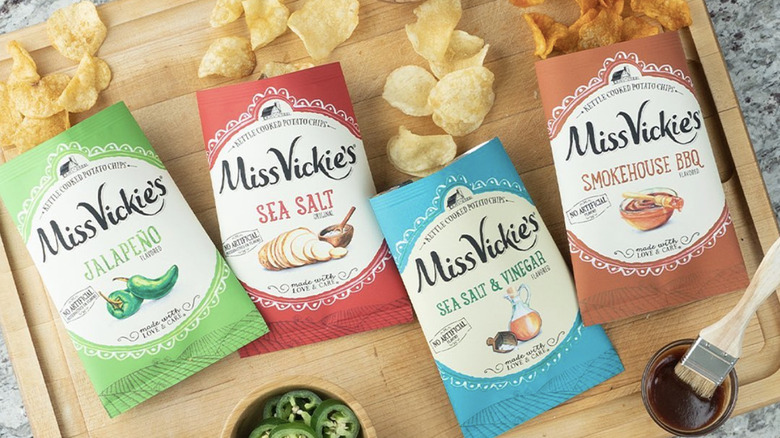
Though now owned by PepsiCo, Miss Vickie's potato chips still carry a niche persona, like other regional brands that made it big. This brand's story began in the mid-to-late 1980s with a real-world "Miss Vickie" turning potatoes from her family's farm into nutritious snacks for her own children. They were widely embraced at local markets and food festivals, eventually joining the larger PepsiCo empire (by way of Hostess Frito-Lay) in 1993. The crunchy, kettle-cooked potato chips now appear in at least 10 varieties, including Spicy Dill Pickle and Aged Cheddar & Black Pepper.
Tostitos
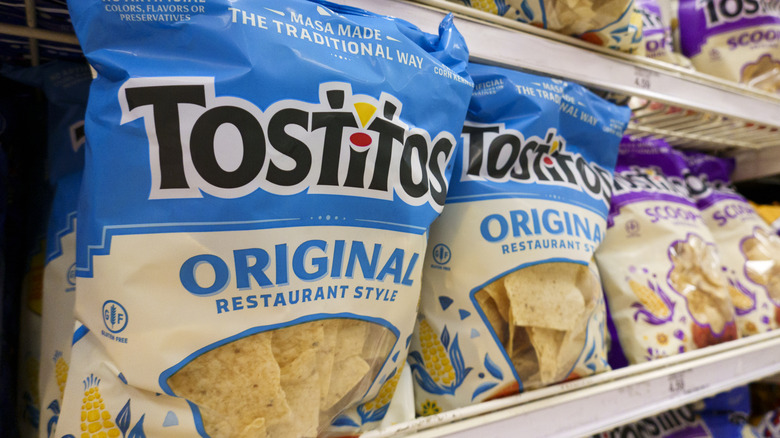
Most shoppers recognize the Tostitos brand of corn tortilla chips, which have been on the market since 1977. But unlike PepsiCo brands with humble, independent beginnings, Tostitos was a natural-born product of the food empire, developed by Frito-Lay. The well-loved chips stand out for using whole corn kernels, cooked and ground into traditional masa dough. In addition to a full line of chip varieties, the brand extends to salsa, queso, and creamy dips to accompany its crunchy chips.
Pasta Roni
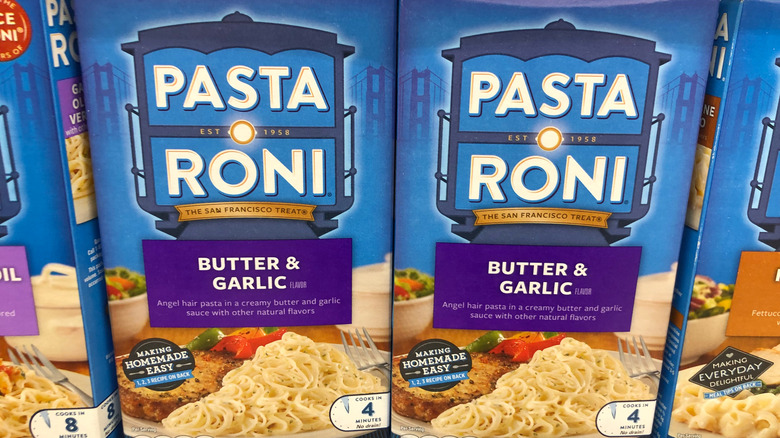
Pasta Roni began with the DeDomenico family in 1964, who had earlier invented the popular Rice-a-Roni product. Its new Alfredo-style noodle product was christened "Noodle Roni Parmesano," later taking on the revised name of Pasta Roni after the family sold its Golden Grain Company to Quaker Oats in 1986. PepsiCo's 2001 merger with Quaker brought Pasta Roni directly into the PepsiCo portfolio. The packaged pasta currently sells in more than a dozen Pasta Roni flavors and pasta shapes, making it easy to turn a box Pasta Roni into a restaurant-worthy dinner.
Muscle Milk
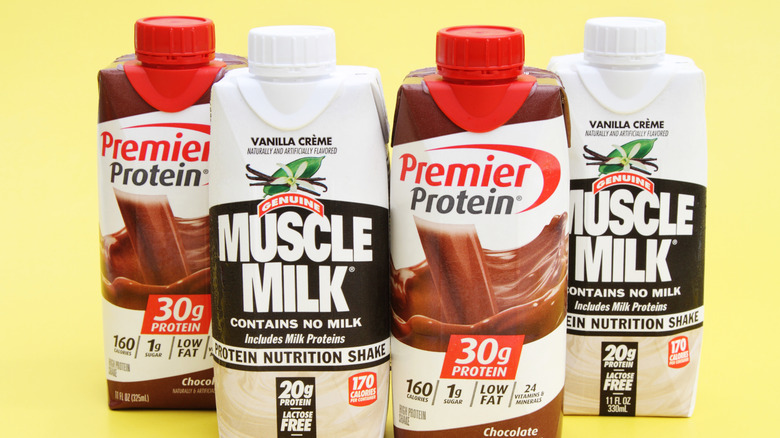
As another small enterprise that slowly grew into its potential, Muscle Milk was the brainchild of the Pickett family, launched in 2000. The ready-to-drink product became part of Hormel Foods in 2014, where it remained until 2019 when ownership transferred to Gatorade, which ushered it into the PepsiCo family. Muscle Milk is now part of PepsiCo's sports-nutrition group, offering RTD protein shakes, protein powders, whey products, and other performance-nutrition products.
Poppi
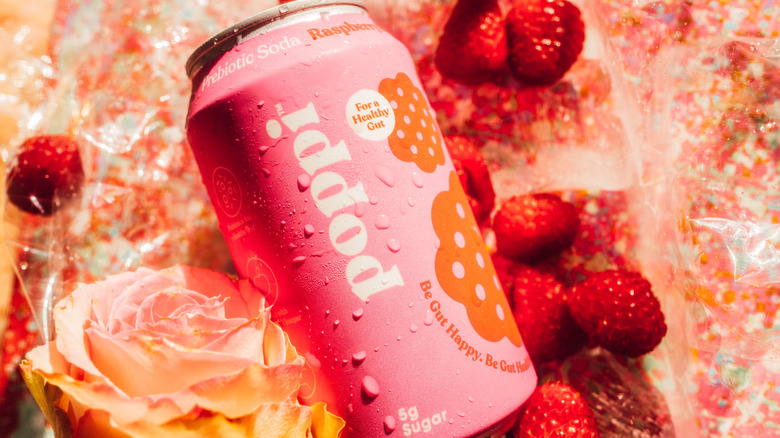
PepsiCo snagged another liquid gem in 2025 when bringing Poppi canned beverages into its stable of specialty drinks. A darling of the probiotic-soda genre, the brand evolved from a Dallas home kitchen, where Allison Ellsworth experimented with fruit juices, probiotics, and sparkling water to create what was initially named "Mother Beverage." Ellsworth made a deal on "Shark Tank" in 2018, rebranded the beverage as Poppi in 2020, and sold to PepsiCo in 2025 for a net purchase price of $1.65 billion. To see what all the fuss is about, check out our ranked list of every Poppi flavor.
Bubly
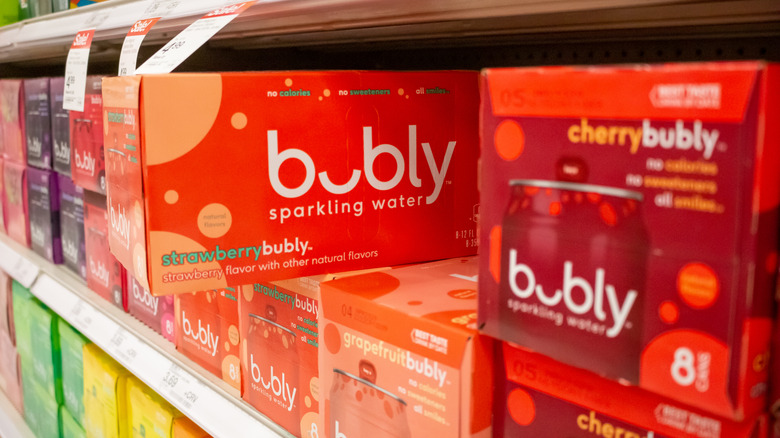
Rather than being bought from another company or brand, Bubly was created and launched by PepsiCo itself. The Bubly sparkling water collection entered the national stage in February 2018, showcasing eight flavors: lime, grapefruit, strawberry, lemon, orange, apple, mango, and cherry. PepsiCo packaged the canned drinks in brightly colored cans with playful greetings and messages, while also marketing them as being void of calories, sweeteners, and artificial flavors. The brand later expanded with products such as Bubly Drops (a collaboration with PepsiCo sister-brand SodaStream) as well as the lightly sweetened Bubly Burst line.