

10 Forgotten Old-School Gin Cocktails You Hardly Ever See Today
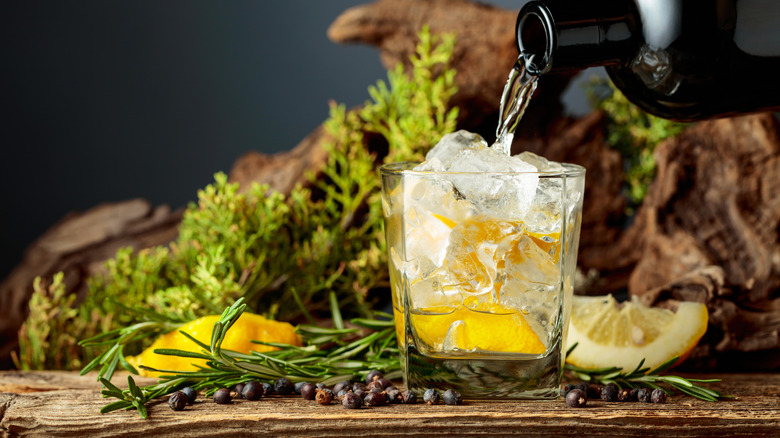
Gin cocktails have long reflected the changing tastes of drinkers, from the spirit-forward classics of the 19th century to the gin-and-tonic culture of the 20th century. While a handful of icons have endured, many of the drinks that shaped gin's history have slowly disappeared from modern menus. After decades of industry experience and years spent working behind the bar — including overseeing the bar program at an après-ski tavern in Vermont — I've watched firsthand how cocktail trends shift. While some drinks become symbols of an era and others fade away, forgotten classics can find new relevance as tastes evolve.
For this deep dive into old-school gin cocktails, I spoke with some of the beverage industry's leading voices about the gin cocktails that have been pushed aside, why they disappeared, and what trends may bring them back. Contributors include Jason Hedges, director of beverage at L'Amico in New York City; Bill Sabine, general manager at The Nautilus Pier 4 in Boston; Samuel Park, beverage director at 28 Nomad in New York City; and Natasha Leila Bahrami, owner of The Gin Room in St. Louis.
Martinez
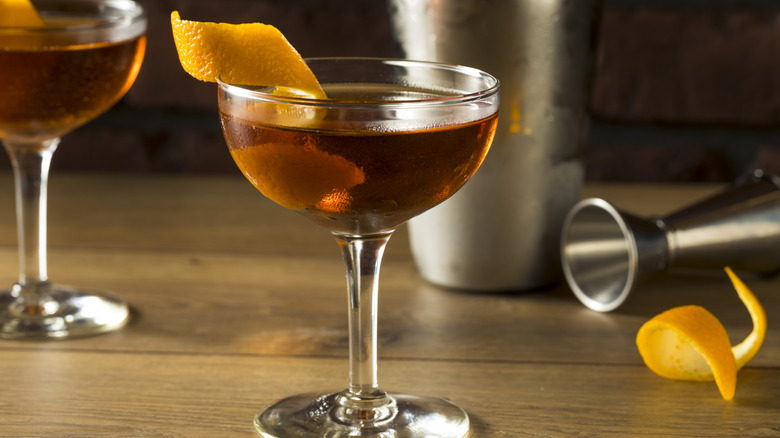
Few pre-Prohibition cocktails carry the historical significance of the Martinez, an old-school gin drink widely regarded as a precursor to the martini. The cocktail is traditionally made with Old Tom gin, sweet vermouth, maraschino liqueur, and bitters, and reflects an era when spirit-forward drinks dominated American bars.
"The Martinez represents a time when cocktails evolved organically over decades and guests embraced nuanced, spirit-forward drinks without expecting every cocktail to be bright, citrus-driven, or instantly familiar," says Jason Hedges, New York-based beverage director and consultant. He explains that, as the dry martini came onto the scene in the 20th century, drinking habits — and cocktail menus — continued to evolve and focus more on brighter flavors, seasonal drinks, and innovative beverages. So in some ways, its decline says less about the quality of the drink and more about changing consumer tastes.
With renewed interest in craftsmanship and the stories behind classic recipes, however, he's hopeful the Martinez is poised for a comeback. "When a bartender explains that the Martinez is one of the key stepping stones in the evolution of the [martini], guests become much more willing to order it because they're experiencing a piece of cocktail history, not just another recipe," Hedges says.
Singapore Sling
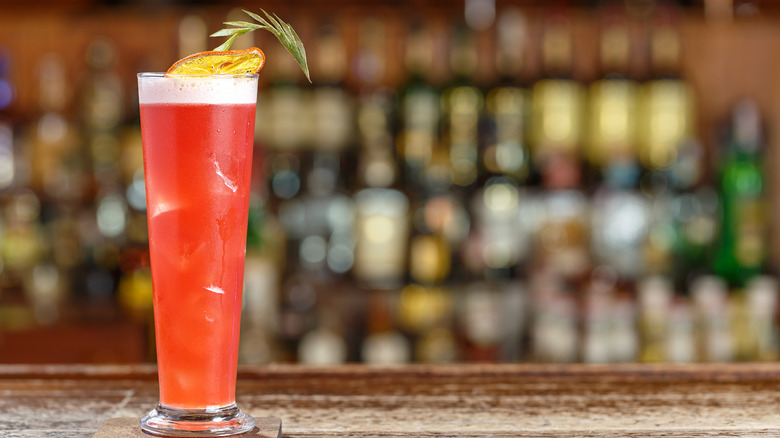
The Singapore Sling is one of the most recognizable gin cocktails, yet it's become an increasingly uncommon sight on modern bar menus. The cocktail, which was created at the Raffles Hotel in Singapore in the early 1900s, captured the spirit of an era while simultaneously bucking discriminatory social norms. Inspired by the gin sling, the Singapore Sling was created by bartender Ngiam Tong Boon to resemble any other fruit punch, allowing women to innocuously consume alcohol in public without stigma. The fruity, sunset-colored gin cocktail incorporates cherry liqueur, Bénédictine, bitters, citrus, pineapple juice, grenadine, and soda water to create a vibrant layered effect that's unlike almost any other classic gin cocktail from the Golden Age.
Unlike truly forgotten cocktails, the Singapore Sling has never completely disappeared. As one of the tropical cocktails from around the world that everyone should try at least once, it remains a staple at historic hotels, destination bars, and tiki-inspired cocktail programs. But in everyday bar culture, the drink's complexity has become its biggest obstacle. As a former bartender at high-volume craft cocktail bars, I've seen firsthand how labor-intensive builds can struggle to survive in fast-paced service environments, especially when guests are increasingly drawn to drinks that deliver balance and sophistication with fewer ingredients.
Gin and It
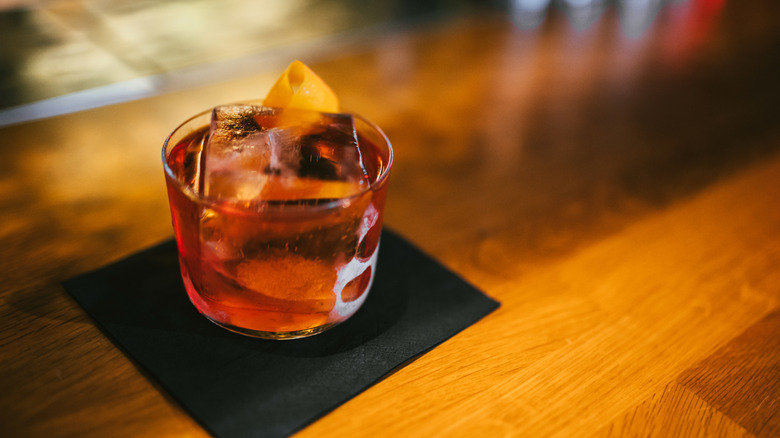
Long before elaborate garnishes and multi-step builds became hallmarks of modern cocktail culture, this forgotten old-school classic proved that a great drink could be made with just two ingredients. The Gin and It was once considered a softer, sweeter alternative to the dry martini and was a fixture in British pubs and American bars. A simple combination of gin and Italian sweet vermouth — the "It" is short for Italian — is even served at room temperature, underscoring its origins as an uncomplicated drink meant to accompany conversation rather than command attention.
For general manager Bill Sabine, that understated quality is precisely what makes the Gin and It feel like a relic of a different drinking culture. "The Gin and It belongs to an era when a cocktail was a prop for company, not a performance for a camera. We've traded that unhurried, room-temperature intimacy for precision and spectacle, and something genuine got lost in the swap," he says.
Sabine attributes the cocktail's disappearance to a combination of industry trends. As craft bars prioritized original creations over established classics, old-school drinks like the Gin and It were pushed aside. "Gin itself got complicated; the new western/contemporary style
pulled so far from the juniper-forward London Dry backbone that many classics built around
that backbone stopped tasting 'right' with what was in the well," he says, noting that bourbon, rye, and later amaro-driven drinks dominated menus. With fewer ingredients and no unnecessary embellishments, the Gin and It offers a reminder that sometimes the most enduring classics are also the simplest.
Clover Club
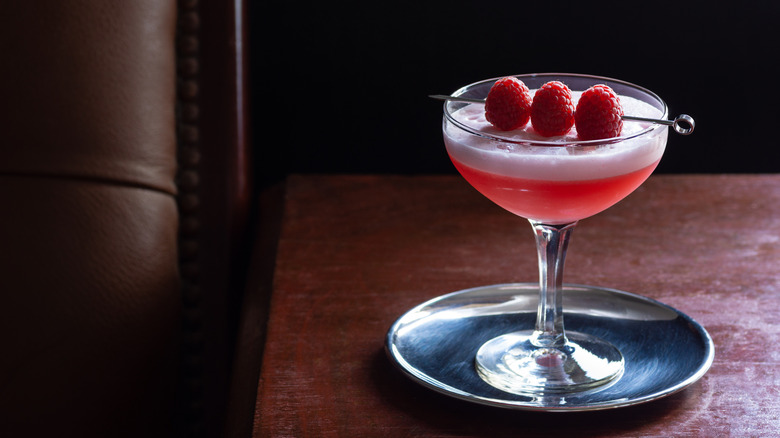
Before the Negroni became a defining symbol of cocktail culture, the Clover Club, a classic Philly cocktail made with raspberry syrup, represented a different kind of sophistication. It was first popularized in the late-19th century at Philadelphia's Clover Club and combines gin, raspberry syrup, lemon juice, and egg white for a drink that's bright, silky, and distinctly elegant. But as cocktail trends shifted toward drier, more spirit-forward drinks, the Clover Club eventually faded from everyday menus.
With its velvety foam, bright acidity, delicate berry notes, and signature pink hue, the old-school gin cocktail reflects an era when craftsmanship and texture were just as important as the spirit itself. Today, however, it serves as a reminder of a more labor-intensive approach to cocktail making. Thanks to fresh ingredient trends, the rise of minimalist recipes, and the demands of high-volume service, the Clover Club remains largely absent from mainstream cocktail menus. Traditional preparation requires both a dry shake to emulsify the egg white and a second shake with ice to achieve its signature silky texture — a process that demands extra time, technique, and consistency behind the bar. While the Clover Club has enjoyed a modest revival at craft cocktail bars, it remains an uncommon sight elsewhere, eclipsed by simpler classics that can be executed more quickly without sacrificing quality.
Tom Collins
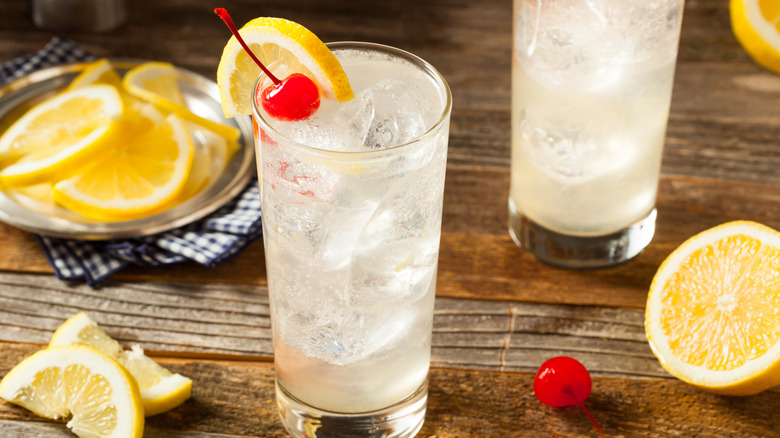
Few gin cocktails are as enduring — or as misunderstood — as the Tom Collins, which is traditionally made with Old Tom gin, lemon juice, sugar, and sparkling water. The refreshing highball became one of the defining gin drinks of the 19th century, according to Natasha Leila Bahrami, the founder of Ginworld. While it remains a fixture on many bar menus today, as Bahrami explains, most modern versions substitute London Dry gin for the sweeter, rounder Old Tom style that gave the original its signature balance. For Bahrami, that subtle shift has distanced today's Tom Collins from the drink that first made it a classic. "The Tom Collins wasn't trying to surprise anyone with exotic ingredients or elaborate techniques," she says. "It was simple, balanced, and endlessly drinkable — a drink ordered because it was reliably delicious, not because it was the newest thing on the menu."
According to Bahrami, the original Tom Collins reflected a drinking culture that showcased the spirit. While drier gin styles and increasingly elaborate recipes caused the old-school gin drink to gradually fade from view, a resurgence of gin allows the opportunity to rediscover the Tom Collins as it was originally intended: simple, balanced, and built around the character of the gin.
Aviation
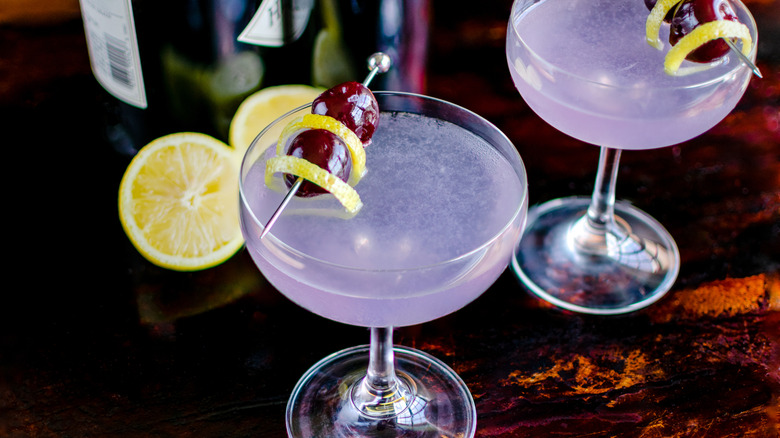
The Aviation has all the markings of a modern classic, yet it's surprisingly absent from many contemporary cocktail menus. It's made with gin, maraschino liqueur, fresh lemon juice, and crème de violette — whose delicate floral notes and pale lavender color give the drink its distinctive identity – the pre-Prohibition cocktail showcases gin's botanical complexity in a way few other classics do. But that same floral profile has also made it one of the category's most polarizing drinks.
For bartenders, the Aviation represents a style of cocktail that has struggled to keep pace with changing consumer preferences. Over the past decade, guests have increasingly gravitated toward crisp, citrus-driven cocktails with bright acidity and fresh ingredients, while overtly floral drinks have fallen out of fashion. Although gin naturally lends itself to botanical flavors, crème de violette amplifies those perfumy notes to the point that the cocktail becomes a love-it-or-leave-it proposition.
From a menu-building perspective, that makes the Aviation a difficult sell. Most bars reserve precious menu space for cocktails with broad appeal, and a drink centered on violet liqueur rarely earns repeat orders at the same rate as a martini or even a Tom Collins. While many cocktail bars keep the ingredients on hand for guests who know to ask, the Aviation is often omitted from printed menus in favor of more approachable gin drinks. That's a shame, because few classics capture gin's aromatic character so elegantly. Though its floral profile may never appeal to the masses, the Aviation remains one of the spirit's most distinctive and rewarding expressions.
Pimm's Cup
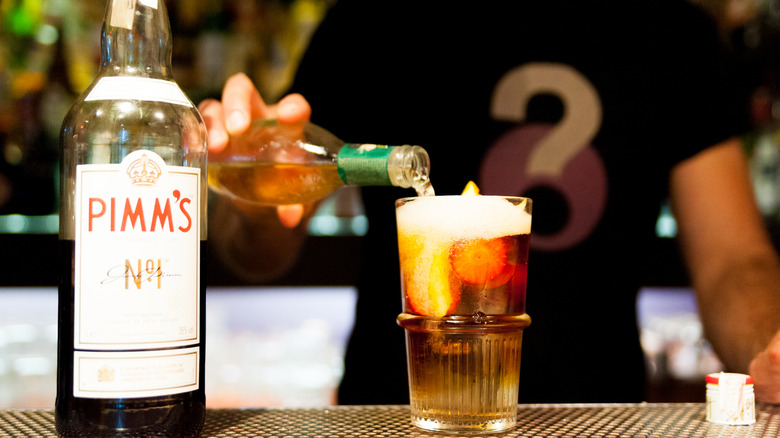
Unlike most classic gin cocktails, the Pimm's Cup begins with a bottled spirit of its own. At the heart of the drink is Pimm's No. 1 Cup, a gin-based liqueur infused with herbs, spices, and citrus. It was originally served with ginger ale and eventually became synonymous with summertime. While Pimm's later expanded the line with cups based on other spirits, No. 1 remains the only expression in regular production and the version used in the classic Pimm's Cup.
Its gin base gives the drink its unmistakably botanical character while keeping the alcohol content notably lower than most gin cocktails, and for much of the early aughts, the Pimm's Cup enjoyed popularity as the American craft cocktail movement embraced drinks with elaborate garnishes, seasonality, and farm-fresh ingredients. Built on a base of fruit and herbs which include cucumber and mint, the Pimm's Cup was often one of the most labor-intensive builds on a summer menu. As cocktail programs gradually shifted toward leaner offerings, many bars replaced the British "lemonade" with simpler highballs and spritzes that delivered a similar sense of refreshment with fewer ingredients and much less prep.
Ironically, today's wellness trends may once again favor the Pimm's Cup. As consumers increasingly seek lower-ABV cocktails and aperitivo-style drinking, the old-school gin cocktail feels surprisingly contemporary. Its bright, botanical profile offers all the complexity associated with gin without the intensity of a full-strength spirit, making the Pimm's Cup a natural fit for a new generation of drinkers.
Pink gin
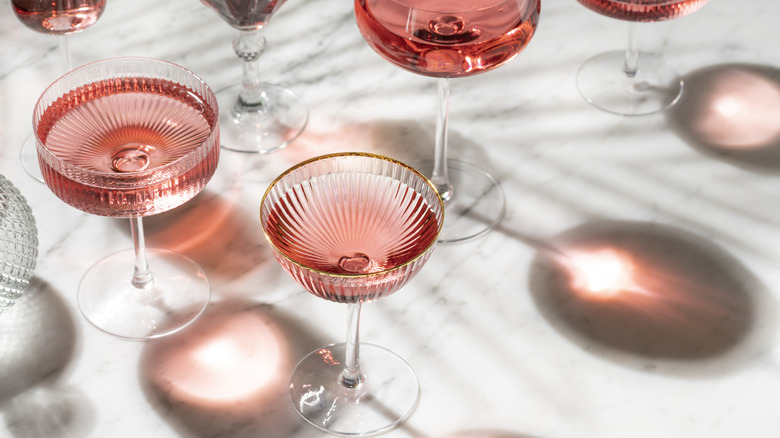
For Samuel Park, managing partner and beverage director at 28 Nomad in New York City, the pink gin represents a drinking culture that placed the emphasis squarely on the spirit itself. "It is essentially gin and bitters, from a time when the character of the spirit mattered more than layers of ingredients, visual presentation, or a larger story around the drink," Park says. It was originally popularized by officers in the British Royal Navy as a means of alleviating seasickness. At the time, it was prized for its simplicity and quality, though it is rarely seen on modern cocktail menus, as its stripped-back formula is hard to justify alongside the maximalist cocktails du jour.
According to Park, the rise of modern cocktail culture gradually pushed drinks like the pink gin into obscurity. Still, he believes the pendulum may be swinging back. The enduring popularity of drinks like the martini and the Negroni, he argues, suggests that consumers still value straightforward, spirit-driven cocktails — and the pink gin certainly fits the bill.
Bramble
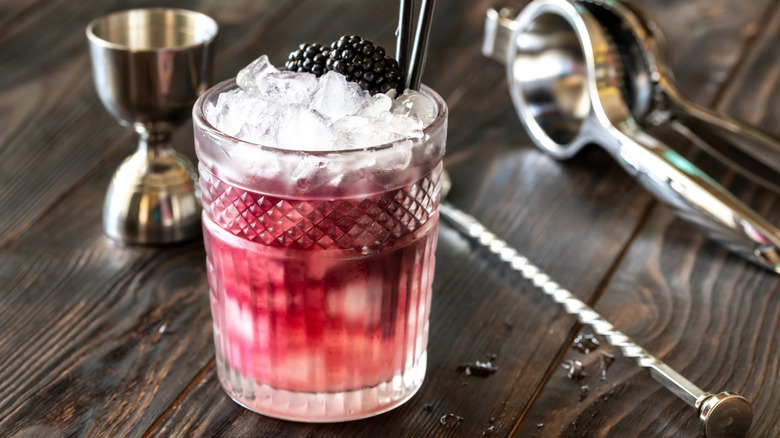
The Bramble feels like it should be everywhere. It combines gin, fresh lemon juice, simple syrup, and crème de mûre — the blackberry liqueur that gives the drink its signature deep-purple hue — and balances bright acidity with ripe berry fruit and botanical complexity. The Bramble, created by legendary London bartender Dick Bradsell in the 1980s, helped usher gin into the modern cocktail era, borrowing the structure of a classic sour while embracing the fresh-fruit sensibilities that would come to define the American craft cocktail movement.
Its popularity resurged alongside the American craft cocktail movement, when bartenders celebrated seasonal ingredients and labor-intensive builds as hallmarks of quality. But as menus became leaner and service grew more efficient, drinks requiring specialty liqueurs and elaborate presentation gradually lost ground to streamlined classics that delivered similar refreshment with fewer ingredients.
Rather than disappearing, however, the Bramble has quietly evolved. Many contemporary bartenders now replace the syrupy crème de mûre with muddled blackberries, house-made syrup upgrades, or fresh berry infusions that preserve the drink's signature fruit character while producing a brighter, less cloying finish. The result is a cocktail that feels equally rooted in classic technique and modern ingredient-driven philosophy, giving the Bramble one foot in the past and other in the present.
Breakfast martini
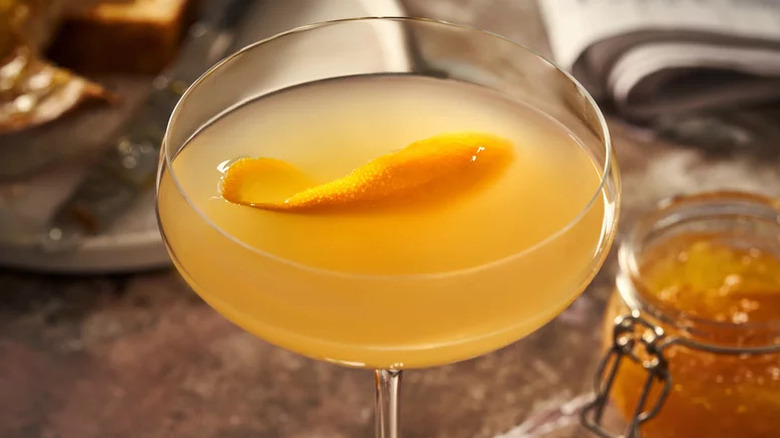
The breakfast martini is one of the rare modern cocktails to earn classic status, yet it's far less common on bar menus than its name might suggest. The gin drink, created in the 1990s by acclaimed London bartender Salvatore Calabrese, adds orange marmalade, Cointreau, and fresh lemon juice into a cocktail that is bright, citrus-forward, and subtly bittersweet. Rather than tasting like breakfast, the marmalade lends concentrated orange flavor, gentle bitterness, and texture, giving the drink a distinctly British character while reimagining the classic gin sour.
The breakfast martini arrived just as the craft cocktail renaissance was beginning to reshape American bars. As bartenders embraced house-made ingredients and pantry staples that blurred the line between the kitchen and the bar, marmalade fit naturally into that philosophy — and turned an everyday breakfast preserve into a sophisticated cocktail ingredient, to boot. These days, however, with drink trends favoring low-ABV formats and raw ingredients, it's uncommon to see the breakfast martini — or any martini for that matter — on modern brunch drink lists.
Rather than fading away entirely, the breakfast martini's flexibility has given it unusual staying power. Its bright orange hue and jammy texture bridge the gap between the ingredient-driven creativity of the early craft cocktail movement and today's emphasis on balance, seasonality, and restraint. It's distinctive enough to stand apart from a traditional gin sour and boasts a familiarity that could easily bring back the party to breakfast cocktails.