

Which Types Of Lettuce Are Generally Considered The Safest?
With foodborne illnesses raising concerns about food safety, many consumers are wondering which type of leafy green is least likely to make them sick. Recent Cyclospora-related lettuce recalls have highlighted the importance of food safety when it comes to choosing and preparing leafy greens. Fortunately, research points toward several types of lettuce — and different growing methods — which should keep you safe.
In a long-term study from Ohio State University published in ScienceDirect comparing popular lettuce types to the number of outbreaks they've caused from 1998 to 2020, the variety that showed to cause the least amount of outbreaks was arugula. While this leafy green was still associated with a couple mass illnesses during the time period, other greens were more likely to be linked to bacterial, parasitic, and viral illnesses. According to the study, romaine, iceberg, and other types of lettuce account for 75.7% of foodborne illnesses stemming from leafy greens. But you don't have to stick with non-lettuce greens to avoid getting sick; there are ways to continue to consume lettuce while reducing your risk during an outbreak.
The types of lettuce to buy and the types to avoid to reduce your risk of illness
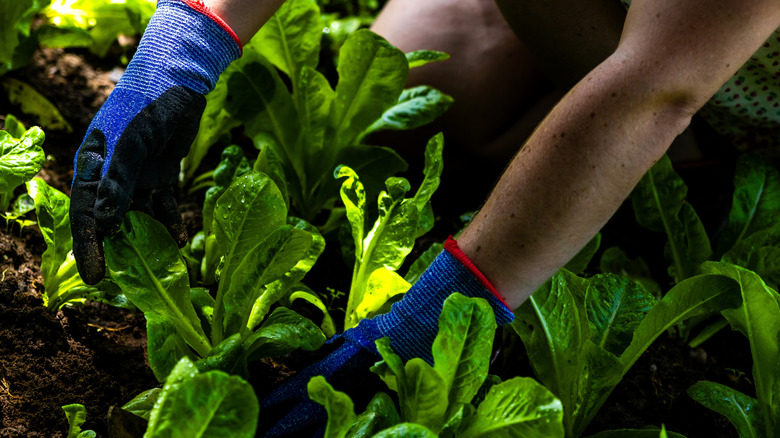
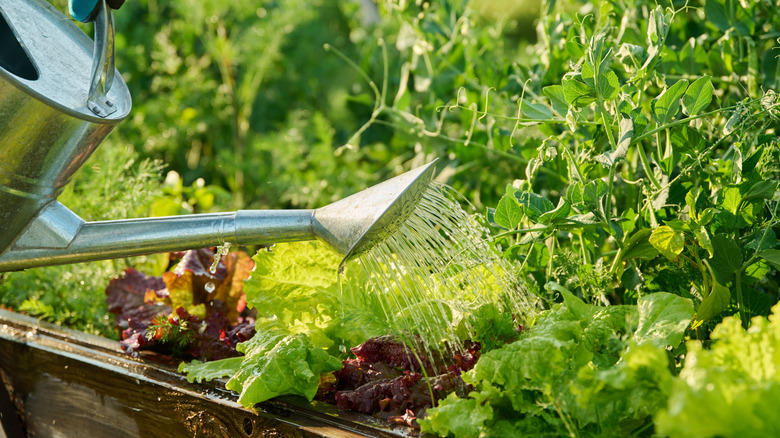
Of course, there are ways to reduce your risk during an outbreak of foodborne illness. Soil can be a source of contamination for fruits and vegetables, as parasites and bacteria from manure or other sources can make their way onto produce during the growing process. Buying locally at farmers' markets or growing your own greens in a hydroponic garden are solid ways to reduce the risk of illness. Hydroponic gardening is a growing method that uses a liquid solution filled with nutrients. It's a system that's fairly easy to set up on a small scale in a little bit of space, and it might be a good option for newbie home gardeners.
Bagged lettuce and pre-mixed salads should also be avoided, as the vegetables used in both of these preparations are usually taken from multiple sources and mixed together, easily resulting in cross-contamination if one crop proves to be infected. You should also never chop lettuce before washing it, as this can spread any bacteria or parasites about.
If you'd still like to take a risk on lettuce during a widespread recall, experts say the safest possible thing to do is buy a full-head varieties of lettuce. You should peel and discard any outer layers, then thoroughly wash and dry the remaining produce before eating it. However, any specific recalled vegetables should never be consumed and should be thrown away immediately. After disposing of recalled produce, clean any shelves or surfaces where it was stored with hot, soapy water. While nothing in life comes without some form of risk — leafy greens, after all, may be responsible for 10% of all foodborne illnesses — these tips definitely give you a better shot at avoiding getting sick.