

8 Popular Frozen Vegetable Myths You Can Stop Believing
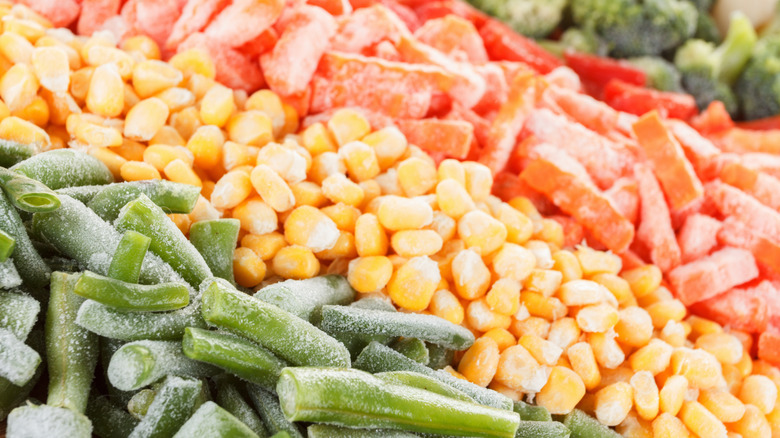
Frozen vegetables can be a lifesaver when you're short on time or when the fridge looks a little bare. Cheap, convenient, and easy to store, frozen vegetables come pre-chopped and ready to cook, and there are countless varieties on offer — from sweet, sunny corn to nutrient-packed greens and versatile mixed blends.
These humble veggies are, however, often victim to misinformation. Many deem frozen options inferior to their fresh counterparts, mainly in terms of nutrition, flavor, and overall quality. The truth is that there are plenty of pros to picking up your veg from the freezer aisle, and many assumptions about these trusty staples are highly inaccurate.
To clear things up, we're debunking some of the most common frozen vegetable myths. If you tend to view frozen products as a backup option, these insights might just change your opinion and have you reaching for the freezer drawer more often, all while feeling better equipped to get the very best out of your frozen veg.
Frozen vegetables are less nutritious
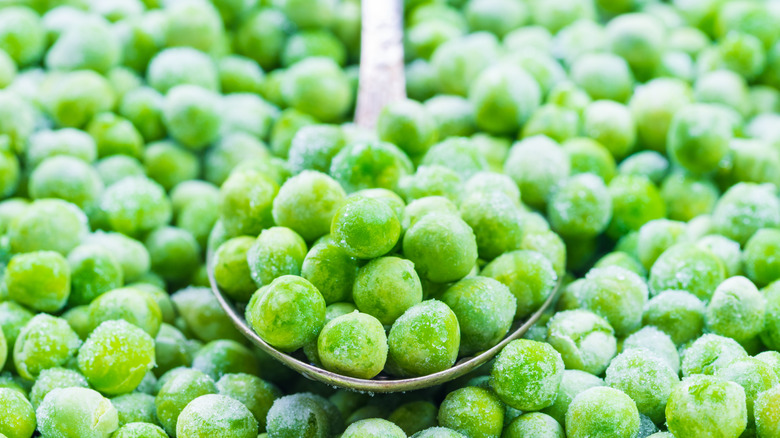
When it comes to fruits and vegetables, it's widely assumed that fresh is best, but this isn't always the case. In fact, frozen vegetables are sometimes richer in nutrients than their fresh counterparts, and this is down to how they're picked, packed, and stored.
Vegetables grown for freezing are generally picked at the peak of ripeness and nutritional value, while fresh veg is often harvested earlier to allow for ripening during transit. Once vegetables have been harvested, their nutrient levels begin to drop. This happens gradually over time, so the longer they're stored in transit or on grocery store shelves, the greater this decline will be. However, when vegetables are frozen shortly after picking, this locks in those all-important nutrients, preserving the goodness all the way to your kitchen.
The choice of cooking methods will also impact the final nutrient content. Boiling typically removes the most nutrients, with many essential vitamins escaping into the water. Microwaving and steaming are better options if you're looking to maximize nutrient retention, while oven-roasting also causes minimal vitamin loss.
They're mushy and bland
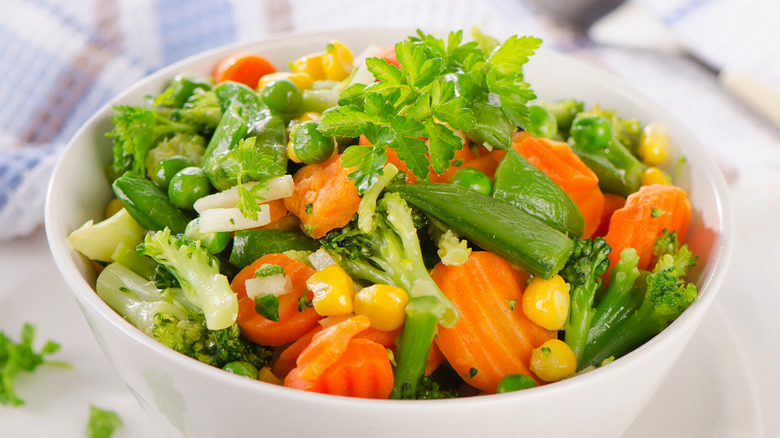
If prepared incorrectly, frozen vegetables can end up looking and tasting a little lackluster. Luckily, it's easy to avoid disappointment. If you've ever ended up with a batch of mushy green beans or flavorless carrots, you're not alone, but in most cases, a few tweaks to the prep method are all that's needed to help frozen veggies shine.
It's easy to assume that frozen vegetables should be prepped much like fresh ones, but this doesn't apply to every cooking technique. For example, a top tip for roasting frozen veg is to add the oil partway through cooking. Allowing the vegetables to cook sans additions will help release extra water, and everything will start to crisp up beautifully. Then, towards the end of the cooking time, you can toss the veggies with some oil and your preferred seasonings. This will inject flavor and enhance caramelization.
Unlike most fresh options, frozen vegetables don't require washing prior to cooking. Thawing also isn't essential, and this can actually lead to unwanted sogginess. When vegetables are left to thaw, this causes the ice crystals to melt, and the excess water then gets absorbed by the veg, yielding a limp, mushy texture post-cooking. However, when you cook veggies straight from frozen, the moisture rapidly evaporates without being absorbed, leaving everything firm, vibrant, and flavorful.
They're not as versatile as their fresh counterparts

Frozen vegetables serve as far more than a last-minute, shortcut addition to your plate. When prepared correctly, these freezer staples can easily become the star of your meal, and there are plenty of delicious ways to use frozen veggies.
Mixed frozen vegetables, which typically include carrots, green beans, corn, and peas, make an excellent addition to stir-fries and fried rice dishes. High heat cooking is a fantastic way to keep sogginess at bay and give the veg a proper char, and the tender-crisp morsels will fit right in alongside umami-rich, Asian-style sauces. You can also toss the veggies into soups, stews, and curries, where they'll bring plenty of color and nutrients with minimal effort. Just make sure to add them towards the end of cooking to preserve their texture.
Another great approach is to blitz roasted veg in a blender with some canned tomatoes, garlic, and herbs, to create a flavor-packed homemade pasta sauce. They even have their place on the breakfast table. Try tossing frozen spinach, bell peppers, or corn into a savory muffin batter. Or, add sauteed frozen broccoli, peas, or asparagus to an omelet with a generous sprinkling of cheddar cheese for a fuss-free, nutritious start to the day.
Boiling is always the best cooking method
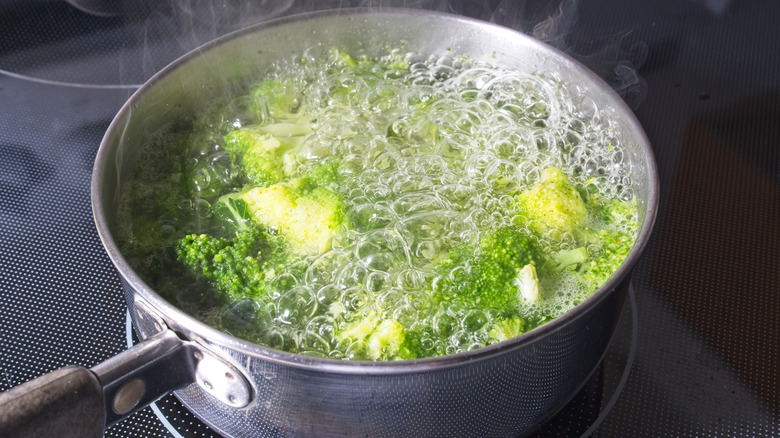
Boiling is a popular cooking method for frozen vegetables, and while it might seem like the most straightforward approach, it doesn't always yield the most flavorful results. Besides decreasing their nutrient content, boiling also diminishes the flavor, color, and texture. Other methods to consider include steaming, microwaving, sauteing, roasting, or air-frying, and many of these techniques offer just as much convenience as whipping out the saucepan. Plus, by skipping the boil, your veggies will likely come out looking and tasting much more appealing.
Roasting makes a great alternative to boiling, leaving the vegetables beautifully charred, tender-crisp, and bursting with caramelized flavor. This takes a little longer than other methods, but it's a hands-off approach that really brings out the best of everything from frozen broccoli and carrots to butternut squash and Brussels sprouts. If you're short on time, microwaving is ideal. This method keeps nutrients locked in, and you can easily enhance the veggies afterwards by tossing them with melted butter, or perhaps even a drizzle of pesto.
Sauteing also works wonders, especially when it comes to peas, which often fall victim to overboiling. Cook the greens over high heat with some butter or oil and your favorite seasonings, and they'll retain all of their vibrance and natural sweetness.
Frozen veg is heavily processed
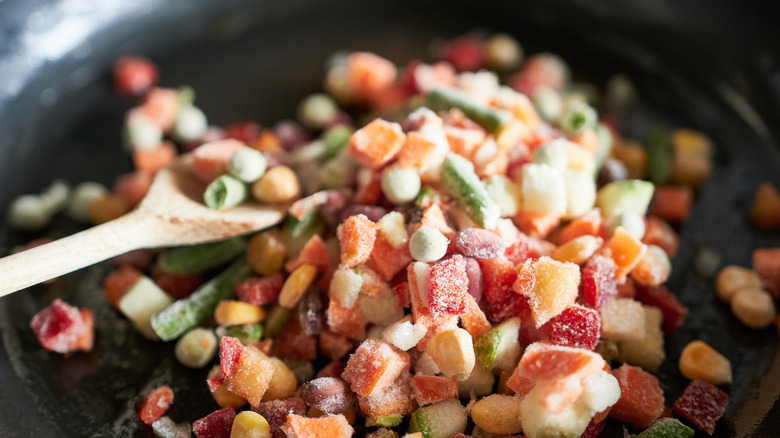
It's true — frozen vegetables are technically a form of processed food, but not in the sense that you might think. The produce doesn't typically get enhanced with preservatives or additives, and it doesn't undergo any form of processing that would strip it of its natural nutrient content. Instead, the vegetables are simply picked, processed, and packed in a way that ensures the utmost quality, flavor, and texture.
Once the vegetables have been harvested at the peak of their ripeness, they're swiftly whisked off to the processing plant. Time is off the essence here, and the veggies are usually chilled on the journey to keep everything as fresh as possible and prevent nutrient degradation. Next, the produce is cleaned and sorted, with high pressure water jets removing debris and pesticide residue, and specialist scanners selecting the freshest, most uniform-sized vegetables for packing. Blanching comes next, where the veggies get a brief plunge into boiling water, followed by a dunk in an ice bath. This deactivates enzymes in the vegetables, while also locking in nutrients and preserving both color and texture.
The final step is flash freezing — a technique that prevents the formation of large ice crystals. By keeping the ice crystals small, you reduce the likelihood of any unwanted mushiness or dullness once the veg is cooked, thus further enhancing the final flavor and texture. The vegetables can then be packaged (usually in plastic bags), and they'll be kept frozen until they're ready to be cooked and consumed.
They're always pre-cooked
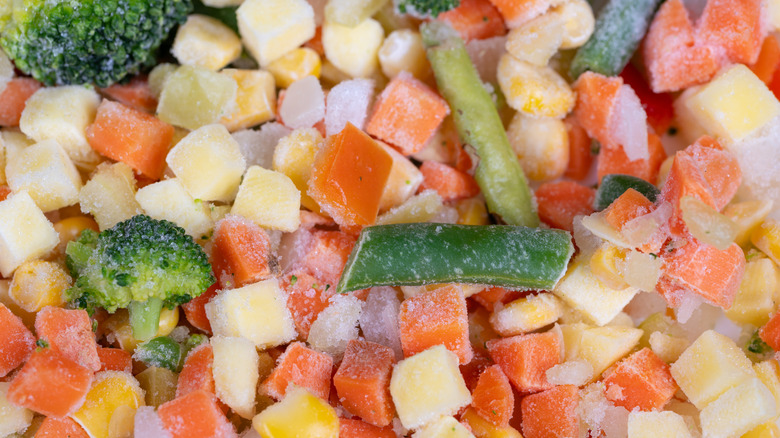
Another common myth about frozen vegetables is that they're pre-cooked and ready to eat after thawing. This isn't always the case, and it's important to check the packaging of your specific product before preparing and consuming the veggies. While most frozen vegetables have been blanched prior to cooking, this brief heating step does not fully cook the veggies. Nor does it completely kill any potentially harmful bacteria. And, while bacterial growth is halted during freezing, it can start again once the produce has been thawed.
To achieve that optimal tender texture and ensure the vegetables are safe to eat, you'll need to cook everything until the internal temperature reaches at least 165 degrees Fahrenheit. This applies to most products, but there are some exceptions. Always check the packaging for guidance. If it states "ready-to-eat", the vegetables are safe to consume straight from the packaging. However, phrases like "ready to cook" or "cook and serve" mean thorough cooking is required first.
There's not much variation between brands
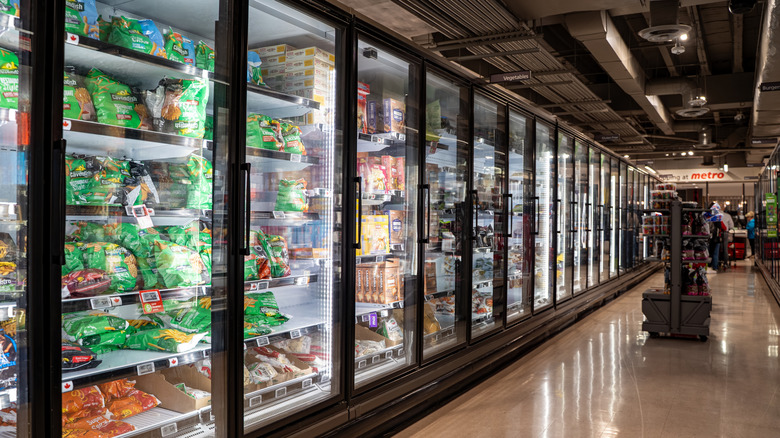
Not all frozen vegetable products are created equal. There can be a huge amount of variation across the market, and that's exactly what our taste tester discovered when ranking 14 popular frozen vegetable brands. While some of these freezer staples offered an impressive appearance, texture, and flavor, others were shockingly disappointing.
The veggies from Dollar Tree's TJ Farms' range were especially lackluster. Not only was the blend of carrots and peas lacking vibrancy, but it also left a strange, acrid aftertaste. Walmart's Great Value mixed vegetables didn't fare much better, with our taste tester noting the strange soap-like flavor and a texture similar to that of canned vegetables. Trader Joe's veggie blend, however, was much more appealing. The vegetables not only looked more appetizing, but they also cooked beautifully, with enough natural sweetness shining through. But, it was Aldi's Season's Choice range that came out on top. Both the mixed veggies and broccoli delivered on all fronts. In fact, they were deemed on par with fresh versions.
This variation is likely down to differences in processing methods between brands. Ripeness upon harvest is of course a major factor, as is the transit time between picking and processing. Bear in mind that you'll also find differences in packaging. Plastic bags are the most common, but some products also come in recyclable paper bags, and others in resealable pouches. Some veggies can also be steamed or boiled directly in the bag for the ultimate convenience.
They never expire
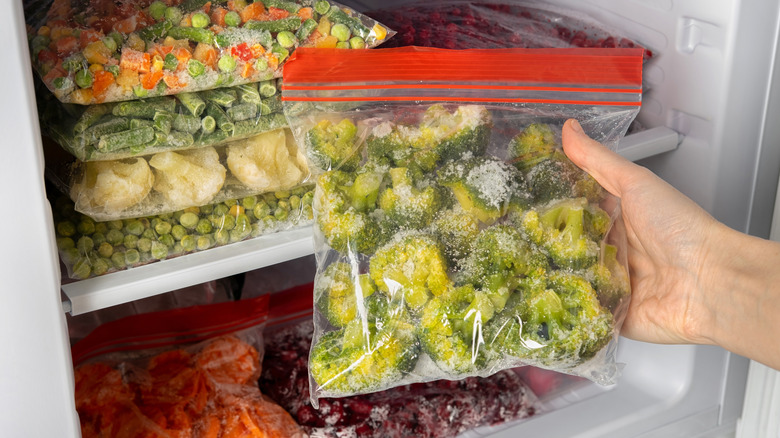
Frozen vegetables are a smart pick. Their impressive shelf life can help you reduce food waste, save money, and enjoy delicious, nutrient-packed produce when fresh versions are out of season. Despite this, there is still a limit to how long you should store them in the freezer.
Most frozen vegetable products will keep well for approximately somewhere between eight to 12 months. Storing them beyond this won't make them unsafe to consume, but you may notice a drop in quality. The texture, color, and nutrient content will begin to decline, making them less appetizing. They may also become affected by freezer burn, which can leave the vegetables dry and bland tasting.
To keep your frozen vegetables fresh and flavorful, make sure to keep your freezer at a constant temperature (0 degrees Fahrenheit or below), and keep the produce tightly secured with a knot or a bag clip to prevent exposure to air once opened. If you are blanching and freezing your own vegetables rather than opting for store-bought versions, try storing them in air-tight lidded containers or heavy-duty resealable plastic bags, aiming to squeeze out as much air as possible before freezing.