

Attracting Butterflies Is Easy With This Fast-Growing Fruit Tree (It's Small-Yard Friendly)
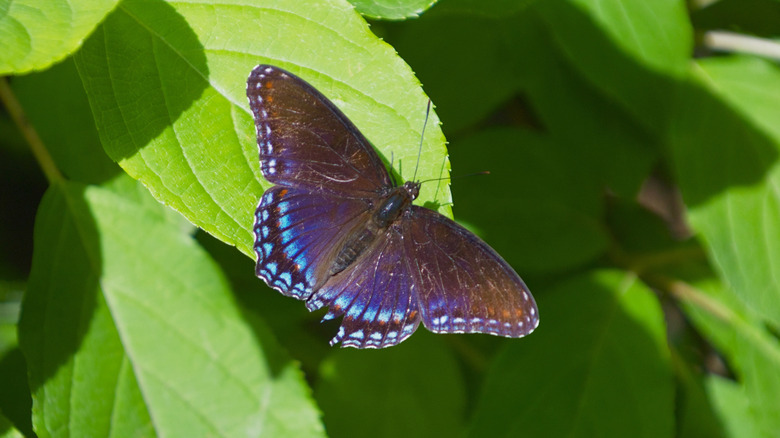
Keeping a garden can take effort sometimes, but there are a handful of things that really make all that hard work pay off. You can enjoy the first flowers in springtime, pick fresh fruit still warm from the sun, and watch butterflies lazily flitting through the evening air. Conveniently, you can bring all these things into your garden by growing an American plum tree (prunus americana).
Caring for butterflies and other pollinators is an essential part of gardening — from strawberries to cucumbers, many plants need insects to give fruit, but butterflies have a more important benefit from these trees. Species like the Viceroy, Red-Spotted Purple, and Eastern Tiger Swallowtail butterfly depend on plum trees for their caterpillars to survive. Don't be afraid to share a branch or two of your tree, and avoid using insecticides in your garden. You might find yourself with an army of butterflies to help all your other plants produce fruit.
There are many types of plums out there, but the American plum (sometimes called a wild plum) is native to central and eastern North America, making it easy to grow. If you live in these regions, this hardy tree shouldn't need much attention. Plums are among the cheapest fruits to keep in your garden, but they do take a little time to establish properly. In the first couple of years, a tree will put most energy into growing roots before becoming around 1 to 3 feet taller each year afterward, eventually reaching around 20 feet in height. A plum tree will grow in partial shade, but it'll do well in full sun, so you can grow one in the brightest spot in your garden, or use it to give some shade on those hot summer days. Just make sure to give your tree enough water during dry weather.
Enjoying your homegrown plums
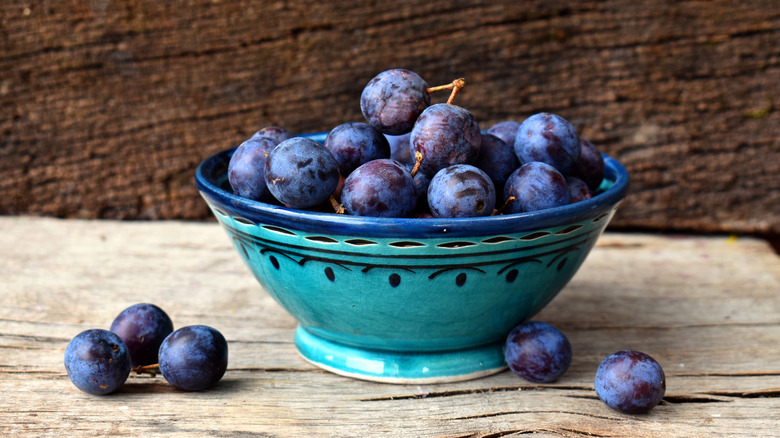
As well as helping the wildlife in your garden, you'll enjoy a stunning display every springtime — plum blossoms are among the first flowers of the year, often blooming before winter even ends (they're celebrated in Japan, much like cherry blossoms). The flowers won't last past early spring, but the fruit they produce will start to ripen in summer. A healthy plum tree can be prolific, and some gardeners say their trees can easily give 50 small fruit in a day at the right time of year. While you shouldn't expect fruit from a newly planted tree, plums establish fairly quickly. Within about three to five years, a tree should start producing fruit.
While you can simply eat them raw or add plum slices to your granola for breakfast, there are plenty of ways to cook with these unassuming fruits. For a touch of tangy sweetness, you can add the stone fruit to a pot roast, or you can cook up a Chinese-style dinner and make some plum sauce to serve with roast duck. If you prefer a dessert recipe, try baking yourself a plum cobbler or a plum upside-down cake.
The only thing to be careful of is that fresh plums don't keep for long once picked. If you want to store them for later, you can freeze plums for up to six months. To keep some in the refrigerator, leave them in an open container. They'll only stay fresh for around five days, but they'll be delicious, so sweet, and so cold.