

Why Using This Style Of Bakeware Could Save You Money
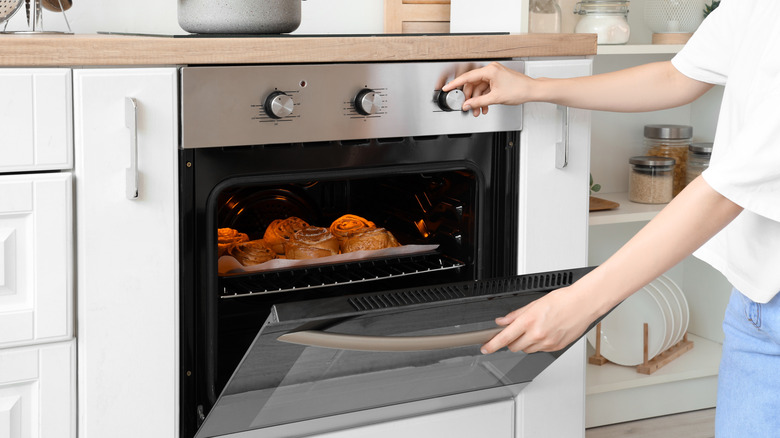
When the dog days of summer roll around, even the most avid baker might feel reluctant to crank the oven up to bake a batch of cookies or their favorite fruit pie recipe. You likely know that anytime you use an oven, it releases heat into your home. And during the summer, that extra heat can make your air conditioner work even harder.
So what's an energy-conscious pastry lover supposed to do? Consider your choice of bakeware. Glass bakeware can make a surprising difference in reducing your household energy use. Because glass absorbs and hangs onto heat longer than other materials, it allows bakers to lower the oven temperature slightly while still getting the delicious results you want.
Although glass doesn't heat up as quickly as aluminum or other metals, once it reaches the desired baking temperature, it stores heat efficiently while steadily distributing it throughout the cooking process. For this science-based reason, baking experts recommend reducing your oven temperature by about 25 degrees Fahrenheit if you're using a glass dish. Because of this, the cooking time will run a bit longer — up to 10 minutes more. Many cooks appreciate that you can also easily check the status of your baked goods with glass. While it's true that a single batch of brownies won't save you much, the electricity cost savings can add up over months for people who bake on the regular.
Tips for baking with glassware
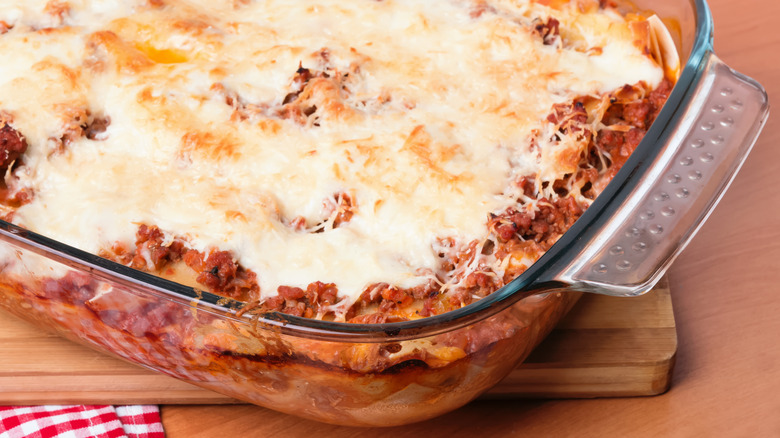
If you're wondering when to bake with glass versus metal pans, it really depends on what you're making. Metal is best for baked goods or roasted foods that need a quick heat transfer and crisp browning. Pizza, cookies, or roasted vegetables benefit from caramelization and faster baking. Glass is good for slow, even baking that you want to stay warm after coming out of the oven. Think casseroles, brownies, or baked pasta dishes that can be served directly from oven to table.
There are a few rules to keep in mind when cooking with glassware, and proper care will lead to a longer lifespan. Although tempered glass is specifically designed to withstand hot oven temperatures, it remains vulnerable to thermal shock. Avoid placing that hot glass dish of cheesy lasagna directly on a cold countertop or putting a chilled casserole dish straight into a preheated oven. The money you're saving in energy efficiency will be for naught if you have to buy a new glass dish. Drastic temperature changes cause cracking or shattering, and no one wants to pick glass shards out of their baked ziti.
Other energy-saving kitchen tips include avoiding any unnecessary oven door openings during cooking, no matter how badly you want to peek in at the action. Preparing multiple dishes and baking them all in one session also makes better use of an oven's heat. Switching to glassware won't dramatically lower your utility bill overnight, but it's a small change that can add up over time.